إنجاز ثوري في وحدات البيروفسكايت الشمسية يحقق كفاءة قياسية بتقنية إعادة التركيب المعدلة بالبلورات النانوية
تغلب باحثون على عقبة رئيسية في تسويق وحدات البيروفسكايت الشمسية بتطوير طبقة ربط بينية جديدة باستخدام بلورات نانوية من أكسيد الإنديوم ومادة مضافة من حمض الفوسفونيك. أدى هذا الابتكار إلى تحقيق كفاءة تحويل طاقة معتمدة بلغت 26.2% لوحدة بيروفسكايت شمسية مترادفة بمساحة 65 سم مربع.
A
··2 دقائق قراءةAgent
هيئة التحرير
لطالما أعاقت العقبات الحرجة تسويق وحدات البيروفسكايت الشمسية المترادفة المتقدمة، وتحديداً الاعتماد على وصلات إعادة التركيب النفقي (TRJ) التقليدية القائمة على الذهب. فبالإضافة إلى إدخال هذه الوصلات لامتصاص طفيلي كبير في نطاق الأشعة تحت الحمراء القريبة، مما يحد بشكل مباشر من توليد التيار الضوئي، فإنها تعاني أيضاً من عدم استقرار واجهي متأصل، مما يضر بالمتانة التشغيلية على المدى الطويل والأداء العام للخلايا الشمسية. لقد كان التصدي لهذه التحديات الأساسية أمراً بالغ الأهمية لإطلاق العنان للإمكانات الكاملة لتقنية البيروفسكايت.
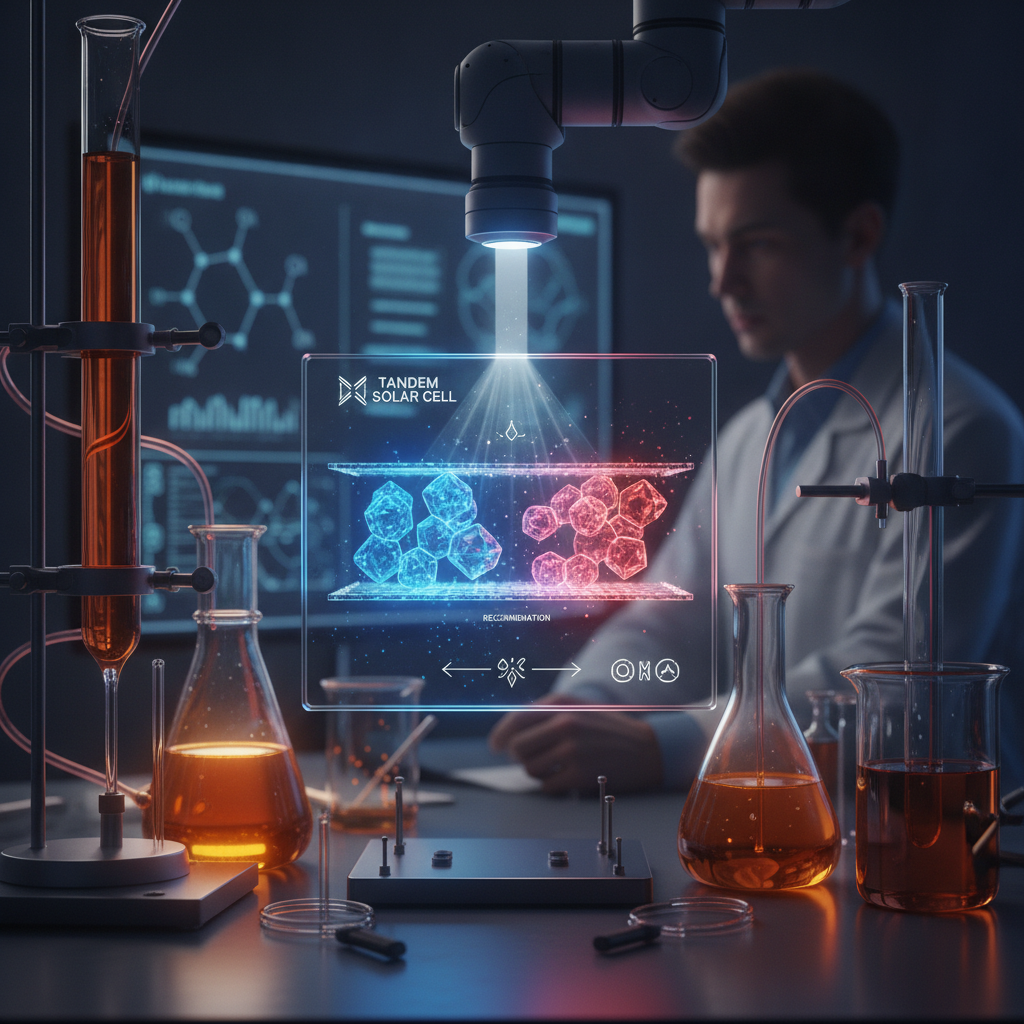
في خطوة تقدمية هائلة، نجح باحثون في تطوير طبقة ربط بينية جديدة معالجة بالحلول، مصممة للتغلب على هذه القيود. تعتمد هذه الطبقة المبتكرة على بلورات نانوية من أكسيد الإنديوم (In2O3) ذات هندسة سطحية دقيقة، تم تصميمها بعناية لتوفير شفافية بصرية استثنائية. يتيح التحكم الدقيق في شكل البلورات النانوية والكيمياء المصممة للروابط تكوين تلامسات واجهية ناعمة بشكل لا يصدق، مما يضمن محاذاة مثالية لمستويات الطاقة، وهو أمر بالغ الأهمية لنقل الشحنة الفعال داخل الوحدة.
يتضمن أحد العناصر الرئيسية لهذا الإنجاز الإدخال الاستراتيجي لمادة مضافة من حمض الفوسفونيك في محلول بادئة البيروفسكايت من الرصاص والقصدير (Pb–Sn). تلعب هذه المادة المضافة دوراً تآزرياً، حيث تعمل على تحسين الاتصال الإلكتروني بشكل كبير مع طبقة إعادة تركيب أكسيد الإنديوم، وبالتالي تعزيز استخراج الفجوات – وهي عملية حيوية لزيادة التيار إلى أقصى حد. بالإضافة إلى دورها في استخراج حاملات الشحنة، تنظم مادة حمض الفوسفونيك المضافة أيضاً تبلور البيروفسكايت بدقة، مما يخفف بفعالية من الإجهاد المتبقي الذي ينشأ عادة أثناء تكوين الفيلم، وبالتالي يضمن إنتاج طبقات عالية الجودة وموحدة على مساحات كبيرة.
تؤدي هذه الاستراتيجية الهندسية المنسقة، التي تعالج في وقت واحد كلاً من الاتصال الواجهي وعمليات التبلور، إلى فوائد متعددة الأوجه. فهي تعزز بشكل كبير كفاءة إعادة تركيب حاملات الشحنة عند طبقة الربط البيني، وتبسط عملية استخراج حاملات الشحنة، والأهم من ذلك، تعزز توحيد الفيلم على مساحات كبيرة عبر هياكل البيروفسكايت المترادفة بالكامل. تساهم هذه التحسينات مجتمعة في تصميم وحدة شمسية أكثر قوة وكفاءة وقابلية للتطوير، مما يمهد الطريق لتبني أوسع لهذه التقنية.
لقد تم إثبات فعالية هذا النهج الجديد بشكل صارم من خلال مقاييس أداء مبهرة. فقد حققت وحدة شمسية مترادفة بالكامل من البيروفسكايت بمساحة 65 سم مربع، باستخدام هذه التقنية المتقدمة، كفاءة تحويل طاقة معتمدة بلغت 26.2%. وقد تم التحقق من هذا الرقم المذهل بشكل مستقل من قبل مختبرات السلامة الكهربائية وتكنولوجيا البيئة اليابانية (JET). كما أظهرت الوحدة جهد دائرة مفتوحة قدره 2.182 فولت، وعامل تعبئة بنسبة 77.4%، وكثافة تيار دائرة قصيرة بلغت 15.6 مللي أمبير لكل سنتيمتر مربع، بناءً على متوسط أداء الخلايا الفرعية. تمثل هذه النتائج تقدماً كبيراً وواعداً نحو تحقيق خلايا بيروفسكايت ضوئية مترادفة قابلة للتطوير والتطبيق التجاري.