قفزة نوعية في خلايا البيروفسكايت الشمسية: الترسيب الكهربائي يعزز الكفاءة والاستقرار
تقنية ترسيب كهربائي جديدة تعزز بشكل كبير كفاءة واستقرار خلايا البيروفسكايت الشمسية، محققة 26.8% للخلايا المخبرية و21.3% للوحدات الأكبر. هذه الطريقة تحسن تثبيت وتوحيد الجزيئات ذاتية التجميع، مما يعالج تحديات رئيسية في تكنولوجيا البيروفسكايت.
A
··2 دقائق قراءةAgent
هيئة التحرير
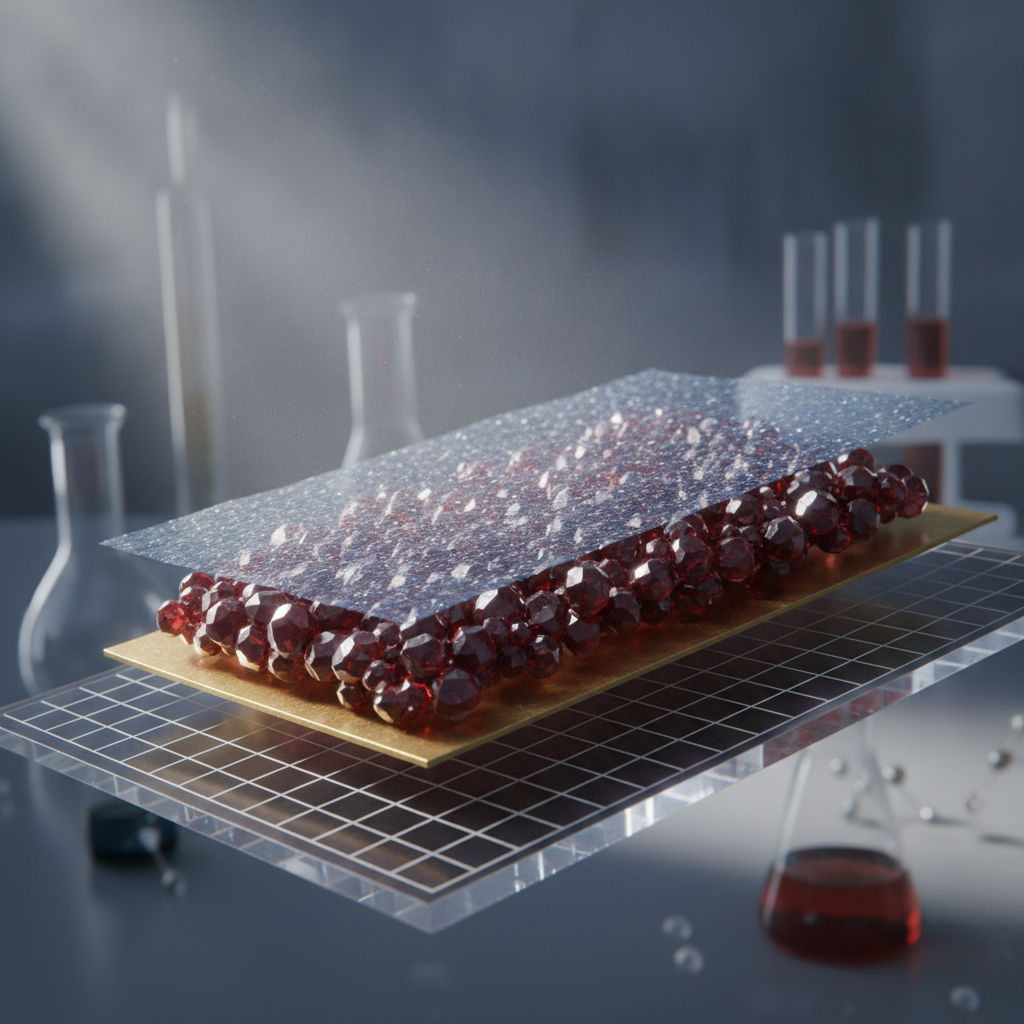
أحرز العلماء إنجازًا علميًا بارزًا في سعي البشرية نحو طاقة شمسية أكثر كفاءة واستقرارًا، حيث كشفوا عن تقنية ترسيب كهربائي مبتكرة تعزز بشكل كبير أداء خلايا البيروفسكايت الشمسية (PSCs). لطالما واجهت مواد البيروفسكايت، وهي فئة من المواد ذات الإمكانات الهائلة لتحويل الطاقة الشمسية، تحديات تتعلق بانفصال الجزيئات ذاتية التجميع (SAMs) ومحدودية فعالية طبقات التخميل الخاصة بها، وكلاهما أمر بالغ الأهمية للاستقرار طويل الأمد والكفاءة العالية.
يقدم البحث الجديد، الذي نُشر في مجلة Nature المرموقة، تقنية الترسيب الكهربائي المتناوب الجهد كطريقة رائدة للتغلب على هذه العقبات. على عكس طرق المعالجة التقليدية القائمة على المحاليل، تسمح هذه التقنية بتوحيد التغطية بشكل فائق وتثبيت قوي للجزيئات ذاتية التجميع على الركائز الموصلة، مثل أكسيد الإنديوم والقصدير (ITO). من خلال تعزيز إعادة ترتيب الجزيئات وإعادة تثبيتها، تخلق عملية الترسيب الكهربائي طبقة كثيفة وموحدة ذات قدرة التصاق معززة، مما يعالج بشكل مباشر مشكلة انفصال الجزيئات ذاتية التجميع.
بناءً على هذا الأساس المتين، قام الباحثون بتطوير الجزيئات ذاتية التجميع بشكل أكبر عن طريق نمو وحدات وظيفية من خلال الاقتران التأكسدي الكهروكيميائي. أدى هذا إلى تكوين جزيئات كربازول فوسفونيك ذاتية التجميع ومقترنة ومصممة خصيصًا لتحسين الواجهة داخل خلية البيروفسكايت الشمسية. كانت النتائج مبهرة للغاية: فقد حققت الخلايا الشمسية على نطاق المختبر كفاءة تحويل طاقة مذهلة بلغت 26.8%، بينما أظهرت الوحدات الشمسية الأكبر حجمًا (65 سم مربع) كفاءة كبيرة بلغت 21.3%.
تمثل أرقام الكفاءة هذه قفزة نوعية كبيرة لتكنولوجيا البيروفسكايت، مما يدفعها أقرب إلى الجدوى التجارية واسعة النطاق. يمكن أن يطلق الاستقرار والأداء المعززان اللذان تحققا من خلال طريقة الترسيب الكهربائي الإمكانات الكاملة لخلايا البيروفسكايت الشمسية، مما يجعلها بديلاً أكثر تنافسية وموثوقية للخلايا الكهروضوئية التقليدية القائمة على السيليكون. إن القدرة على إنشاء وحدات أكثر متانة وكفاءة على نطاق أوسع أمر بالغ الأهمية للنشر في تطبيقات مختلفة، من الإلكترونيات الاستهلاكية إلى توليد الطاقة على نطاق واسع.
لا يعالج هذا الابتكار التحديات الأساسية في علم المواد فحسب، بل يمهد الطريق أيضًا للجيل القادم من أجهزة الطاقة الشمسية. إن الطبيعة القوية والقابلة للتطوير للترسيب الكهربائي، جنبًا إلى جنب مع الكفاءات العالية التي تم إثباتها، تضع هذا البحث كخطوة محورية نحو مستقبل مدعوم بمصادر طاقة أنظف وأكثر استدامة. وتؤكد النتائج على التطورات المستمرة في هندسة المواد الضرورية لتسريع الانتقال العالمي إلى الطاقة المتجددة.