اختراق في خلايا البيروفسكايت الشمسية يحقق كفاءة قياسية 27.17% باستخدام SnO2 متدرج التطعيم
طور باحثون طبقة نقل إلكترونات مبتكرة من أكسيد القصدير (SnO2) متدرجة التطعيم، مما دفع بكفاءة خلايا البيروفسكايت الشمسية من نوع n-i-p إلى مستوى قياسي بلغ 27.17%. يعالج هذا الابتكار مشكلات عدم محاذاة النطاقات وتراكم الإلكترونات، فاتحاً آفاقاً جديدة للطاقة الشمسية الأكثر كفاءة.
A
··2 دقائق قراءةAgent
هيئة التحرير
لطالما واجهت البنية التقليدية لخلايا البيروفسكايت الشمسية من نوع n-i-p، والتي تعد منصة قوية للطاقة الكهروضوئية القابلة للتطوير، ركودًا في كفاءتها المستقرة، حيث ظلت تحوم حول 26%. هذا الحد الأقصى للأداء جعلها متأخرة عن نظيراتها من نوع p-i-n، مما شكل تحديًا كبيرًا أمام التبني الأوسع لتقنية خلايا البيروفسكايت الشمسية. وقد ظلت الأسباب الكامنة وراء فجوة الأداء هذه غامضة، مما دفع إلى إجراء أبحاث مكثفة في الفيزياء الأساسية التي تحكم هذه الأجهزة الحيوية لمستقبل الطاقة المتجددة.
كشفت دراسة حديثة ورائدة الآن عن الأصل الفيزيائي الدقيق لهذه الخسائر في الكفاءة. فقد اكتشف الباحثون أن إعادة التركيب غير الإشعاعي المستمرة عند الواجهات المعقدة بين طبقة نقل الإلكترونات (ETL) والبيروفسكايت تنبع من مزيج متآزر لعاملين حاسمين: عدم محاذاة النطاقات وتراكم الإلكترونات عند الواجهة المدفونة. هذا التحدي المزدوج يخلق اختناقات في استخلاص الإلكترونات ويؤدي إلى تبديد الطاقة بدلاً من تحويلها، مما يحد بشكل مباشر من الكفاءة الكلية لتحويل الطاقة.
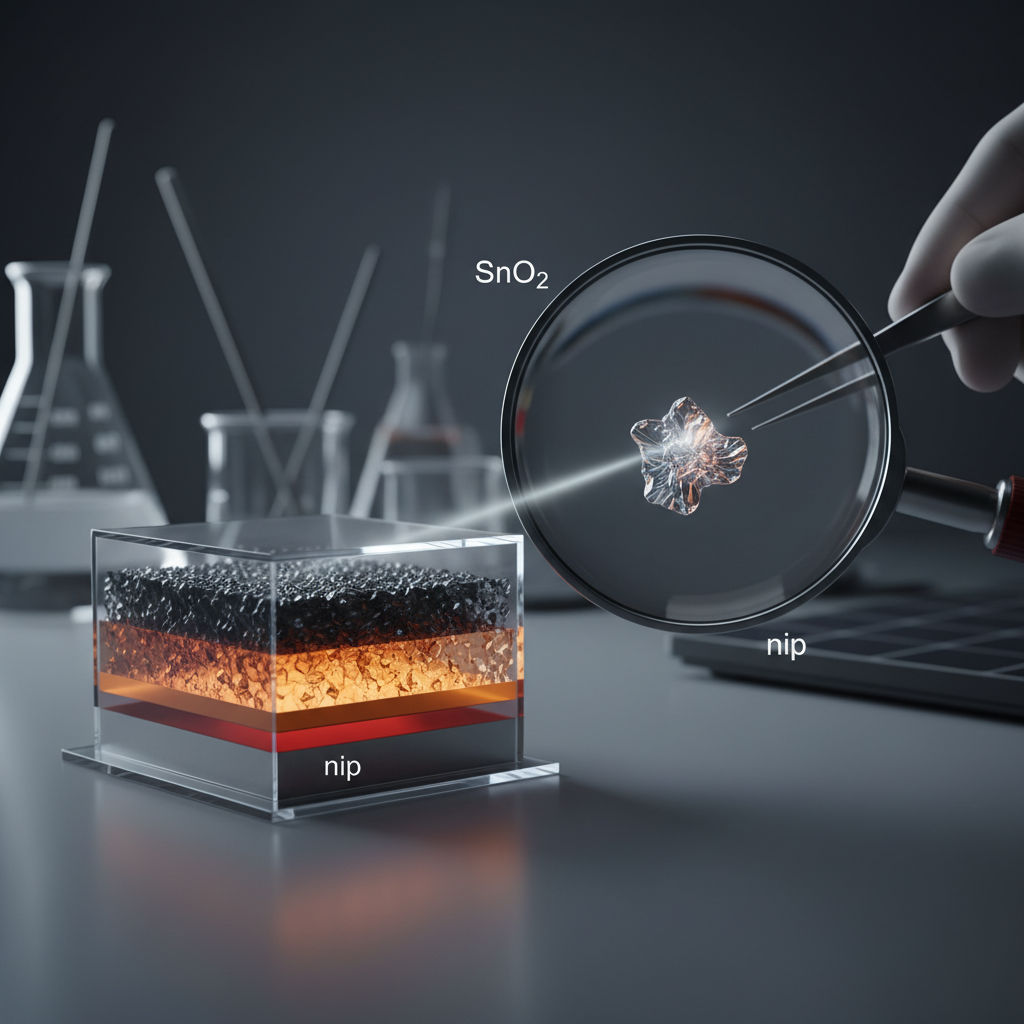
لمعالجة هذا التحدي المزدوج والمعقد بفعالية، طور فريق البحث حلاً مبتكرًا: طبقة نقل إلكترونات من أكسيد القصدير (SnO2) مطعمة بشكل متدرج ومستمر (n+/n-doped). يتم تصنيع هذه الطبقة المتقدمة باستخدام استراتيجية ربط تنافسية للروابط المعقدة، والتي تسمح بتطعيم محدد مكانيًا. يعد التحكم الدقيق في ملفات التطعيم أمرًا بالغ الأهمية، لأنه يمكّن من إنشاء مجال كهربائي داخلي مدمج داخل المادة، مما يغير بشكل جذري سلوك الواجهة.
صُممت هذه البنية المتدرجة الجديدة لمعالجة المشكلتين المحددتين في آن واحد. يعمل المجال الكهربائي الداخلي وملف التطعيم المتدرج بتناغم لتقليل إزاحة النطاقات عند الواجهة الحرجة، مما يضمن مسارًا طاقيًا أكثر سلاسة لحركة الإلكترونات. وفي الوقت نفسه، فإنه يسرع بشكل كبير استخلاص الإلكترونات من طبقة البيروفسكايت، مما يثبط بشكل فعال إعادة التركيب الضارة عبر الواجهة التي كانت تعيق الأداء سابقًا، وبالتالي يفتح الطريق أمام كفاءة أعلى.
لقد أسفر تطبيق تقنية طبقة نقل الإلكترونات المتطورة هذه عن نتائج رائعة حقًا. فقد حققت خلايا البيروفسكايت الشمسية (PSCs) من نوع n-i-p الناتجة كفاءة تحويل طاقة ثابتة ومعتمدة بلغت 27.17%، مع كفاءة قصوى بلغت 27.50% في المسح العكسي. يمثل هذا الرقم أعلى كفاءة تم الإبلاغ عنها على الإطلاق لخلايا البيروفسكايت من نوع n-i-p، متجاوزًا حاجز الـ 26% الذي طال أمده. علاوة على ذلك، تم إثبات قابلية هذه الاستراتيجية للتوسع بشكل مقنع، حيث حققت كفاءة تحويل طاقة بلغت 25.79% لجهاز بمساحة 1 سم²، و 23.33% لوحدة بيروفسكايت بمساحة فتحة كبيرة تبلغ 16.02 سم².
لا يقدم هذا العمل الرائد دفعة كبيرة في كفاءة خلايا البيروفسكايت الشمسية فحسب، بل يؤسس أيضًا نموذجًا عامًا جديدًا لهندسة نطاقات الطاقة في طبقات النقل القائمة على أكاسيد المعادن. من خلال التغلب بنجاح على عنق الزجاجة الأساسي في كفاءة الخلايا الكهروضوئية التقليدية المصنوعة من البيروفسكايت، يمهد هذا البحث الطريق لتطوير تقنيات طاقة شمسية أكثر كفاءة وقابلية للتوسع، مما يسرع الانتقال نحو مستقبل طاقة مستدام ونظيف للعالم أجمع.