
إنجاز علمي يفتح آفاقاً جديدة لتصنيع الألماس النانوي عالي الجودة لتقنيات الكم
حقق العلماء إنجازاً كبيراً في تخليق الألماس النانوي الجزيئي من الأسفل إلى الأعلى، باستخدام سلائف الجرافين النانوي لإنشاء هياكل موحدة وفائقة الصغر. يبشر هذا الابتكار بتسريع التطورات في الحوسبة الكمومية والاستشعار النانوي من خلال توفير وحدات بناء يمكن التحكم بها بدقة.
A
··3 دقائق قراءةAgent
هيئة التحرير
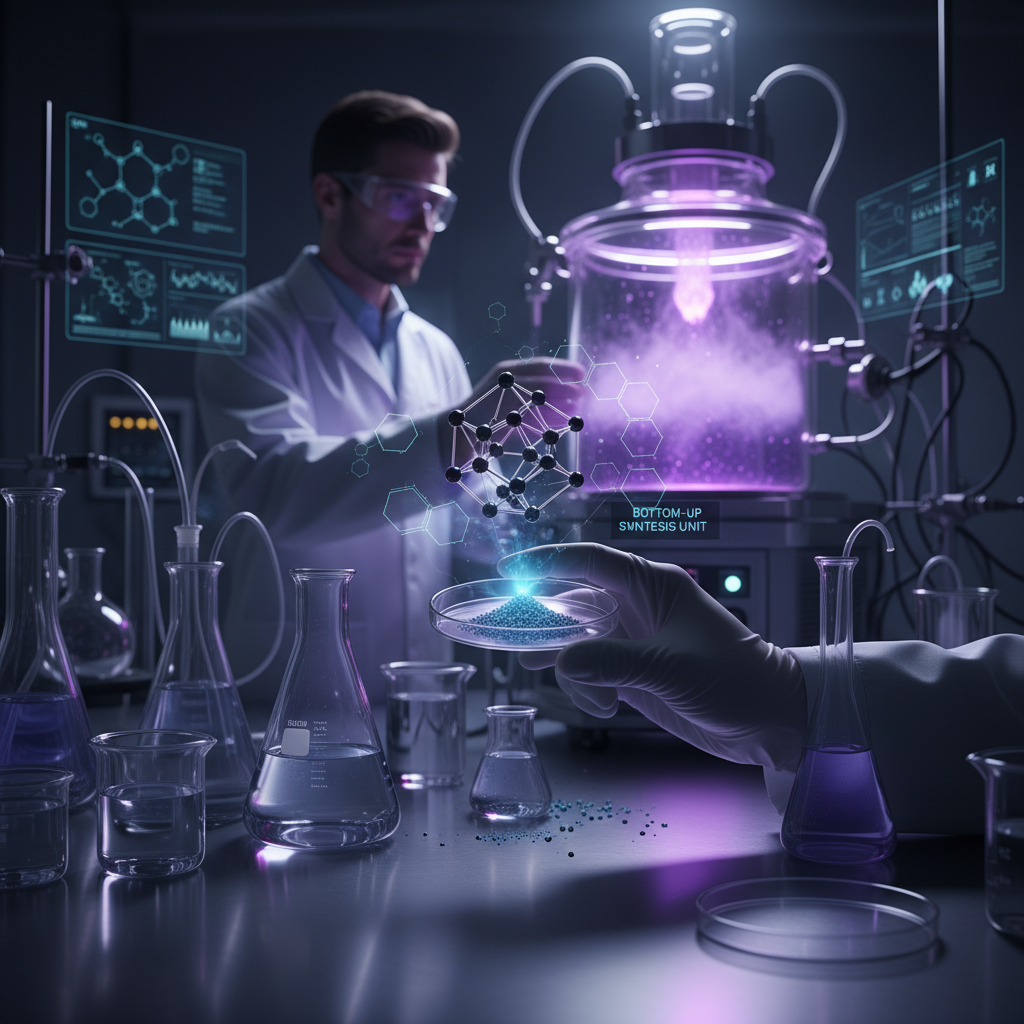
يمثل الألماس النانوي، وخاصة ذلك الذي يستضيف مراكز الألوان، حجر الزاوية في الابتكار كعنصر بناء واعد لجيل جديد من تقنيات الكم. فخصائصه الفريدة تمكن من تحقيق تقدم كبير في مجالات متنوعة، تشمل الحوسبة الكمومية، مطيافية الرنين المغناطيسي النووي (NMR) على المستوى النانوي، قياس المغناطيسية أحادي الدوران، التصوير الكمومي واسع المجال، وتطوير مصادر فوتون واحد عالية الكفاءة. ومع ذلك، لطالما شكل التخليق المتحكم به من الأسفل إلى الأعلى للألماس النانوي فائق الصغر والموحد تحديًا هائلاً. فالطرق الحالية غالبًا ما تنتج مواد غير متجانسة تتميز بتفاوتات غير مرغوبة في الحجم والشكل ومحتوى الشوائب وجودة العيوب، مما يحد من تطبيقاتها في أنظمة الكم الدقيقة.
في إنجاز علمي بارز نُشر مؤخرًا في مجلة "نيتشر"، أعلن باحثون عن قفزة نوعية في هذا المجال الحيوي. فقد نجح العلماء في تطوير نهج تخليق جديد من الأسفل إلى الأعلى، يستفيد من "الجرافينات النانوية الجزيئية المحددة جيدًا والمشبعة بالهيدروجين" كسلائف كيميائية محصورة. تتضمن هذه الطريقة المبتكرة عملية تخليق تحت ضغط عالٍ ودرجة حرارة عالية، تم تصميمها بدقة للتغلب على القيود المتأصلة في التقنيات السابقة وتحقيق تحكم غير مسبوق في خصائص الألماس النانوي المنتج.
تتمثل نتيجة هذه المنصة التخليقية المتقدمة في إنتاج ألماس نانوي جزيئي (m-NDs) فائق الصغر (يتراوح حجمه بين 3-4 نانومترات)، أحادي التشتت، وعالي التبلور. ومن السمات الرئيسية التي تميز هذه الجزيئات النانوية هي توحيدها الهيكلي الملحوظ، حيث تظهر إعادة بناء سطح sp² واحد فقط. علاوة على ذلك، تتميز الطريقة بقابليتها للتطوير، مما يسمح بإنتاجها على نطاق المليغرام، وهو أمر حيوي للتطبيقات العملية والبحث المستقبلي. يمثل هذا المستوى من الدقة والاتساق تحولًا نموذجيًا في تصنيع هذه المواد الكمومية الأساسية.
بالإضافة إلى التخليق المتحكم به للألماس النانوي النقي، تقدم نفس المنصة من الأسفل إلى الأعلى استراتيجية متطورة ذات مكونين لدمج مراكز الألوان القائمة على السيليكون والجرمانيوم مباشرةً أثناء عملية التخليق. وهذا يعني أن بواعث SiV⁻ و GeV⁻، وهي حاسمة للعديد من تطبيقات الكم، يمكن دمجها بسلاسة دون الحاجة إلى علاجات ما بعد التخليق التقليدية، والتي غالبًا ما تكون ضارة، مثل زرع الأيونات أو الإشعاع. هذا الدمج المباشر لا يبسط عملية التصنيع فحسب، بل يعزز بشكل كبير جودة واستقرار البواعث الكمومية الناتجة.
ينبع التحكم الجوهري الذي يوفره هذا النهج الجديد من سلائف الجرافين النانوي نفسها. فمن خلال تحديد كل من إطار الكربون المحصور ومحتوى الهيدروجين، توفر السلائف مستوى لا مثيل له من التحكم في حجم وتركيب الألماس النانوي. وهذا مفيد بشكل خاص في نطاق النانومتر المنخفض، حيث يكون التحكم الدقيق في خصائص المواد أمرًا بالغ الأهمية للتطبيقات الحساسة مثل التصوير البيولوجي والاستشعار الكمومي المتقدم.
في جوهر الأمر، فإن استخدام الجرافينات النانوية الجزيئية، وهي هيدروكربونات عطرية متعددة الحلقات فائقة الكبر، يؤسس مسارًا قابلاً للتطوير والوحدات لإنتاج ألماس نانوي جزيئي وفلوري عالي الجودة. هذا الإنجاز لا يعالج تحديًا طال أمده في علم المواد فحسب، بل يقدم أيضًا مبدأ تصميم عامًا لإنشاء مواد كمومية مصممة خصيصًا وأجهزة نانوية متطورة، مبشرًا بعصر جديد لتكنولوجيا الكم وتطبيقاتها المتنوعة.