إنجاز ثوري في صمامات البيروفسكايت الزرقاء يحقق كفاءة واستقراراً قياسيين
حقق باحثون إنجازاً مهماً في صمامات البيروفسكايت الزرقاء (PeLEDs) عبر بناء شبكات ترابط هيدروجيني، مما أدى إلى كفاءة واستقرار قياسيين. يفتح هذا الابتكار آفاقاً جديدة لتطوير شاشات عرض ملونة بالكامل فائقة الأداء.
A
··2 دقائق قراءةAgent
هيئة التحرير
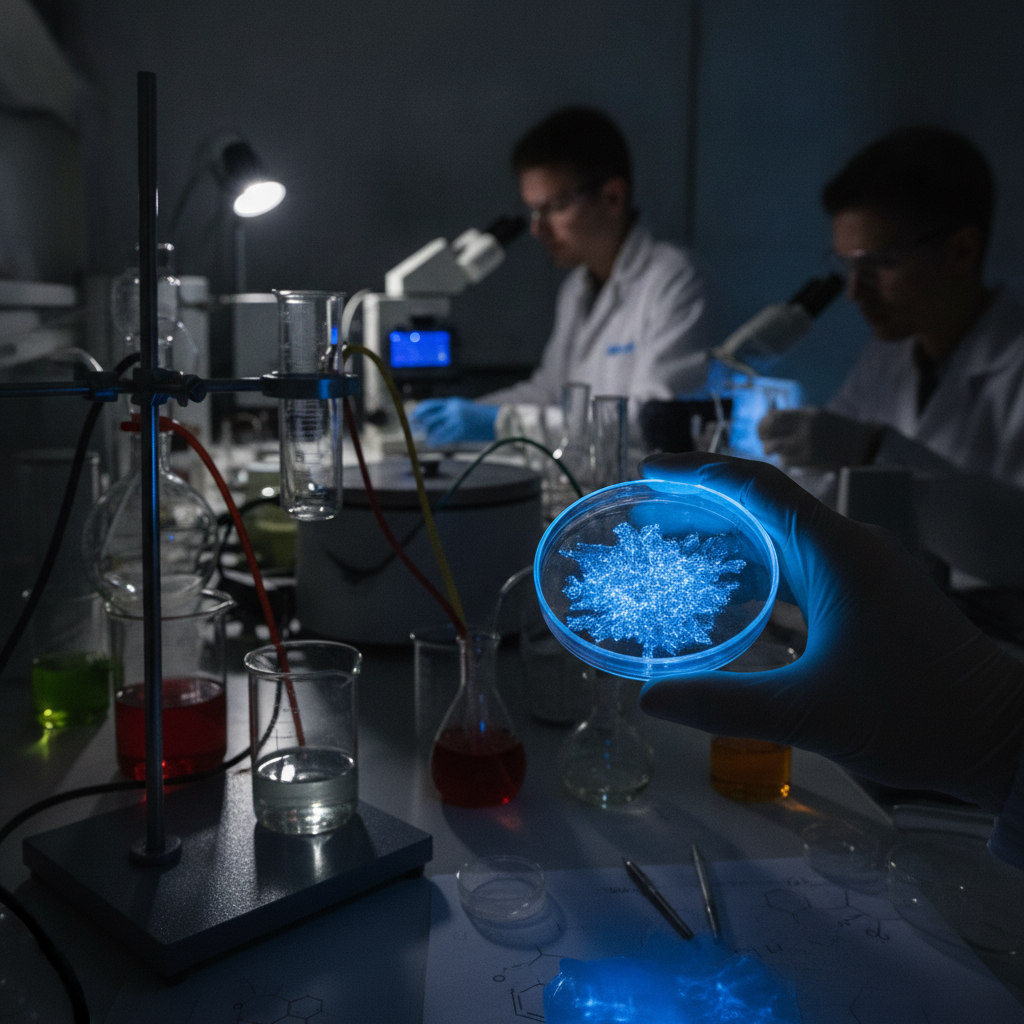
لقد أحدثت صمامات البيروفسكايت الباعثة للضوء (PeLEDs) ثورة في تكنولوجيا الشاشات بفضل كفاءتها العالية وألوانها الزاهية. ومع ذلك، ظل تطوير صمامات البيروفسكايت الزرقاء متأخراً باستمرار عن نظيراتها الحمراء والخضراء، مما يمثل عقبة كبيرة أمام تطبيقها الواسع في شاشات العرض الملونة بالكامل. يكمن التحدي المتأصل في فجوات النطاق الأوسع المطلوبة لانبعاث الضوء الأزرق، والتي تتطلب جهد تشغيل أعلى. هذا الجهد المتزايد، بدوره، يكثف عدم استقرار البنية ثمانية الأوجه المميز لمواد البيروفسكايت، مما يؤدي إلى تدهور الأداء وعمر الجهاز. لقد كان التغلب على هذا القيد هدفاً حاسماً للباحثين الذين يسعون لإطلاق الإمكانات الكاملة لتقنية PeLEDs لشاشات الجيل القادم.
في تطور رائد، أعلن العلماء الآن عن نهج جديد لإنشاء صمامات بيروفسكايت زرقاء فعالة ومستقرة للغاية مع انبعاثات مشبعة. يكمن مفتاح هذا الإنجاز في البناء المبتكر لشبكات ترابط هيدروجيني معقدة. تتشكل هذه الشبكات داخل مادة البيروفسكايت نفسها وبشكل حاسم، عند الواجهة بين الطبقات، باستخدام جزيئات متماثلة مصممة خصيصاً. تعالج هذه الاستراتيجية المبتكرة بشكل مباشر المشكلات الأساسية لعدم الاستقرار الهيكلي وحركة حاملات الشحنة التي عانت منها صمامات البيروفسكايت الزرقاء، مما يمهد الطريق لمستويات أداء غير مسبوقة.
يُعد مركب O-benzylhydroxylamine hydrochloride (OBCl) مكوناً حاسماً في هذه البنية الجديدة. يتم وضع هذا الجزيء بشكل استراتيجي بين طبقة نقل الفجوات والطبقة الباعثة للضوء. يعمل OBCl كمتبرع قوي للروابط الهيدروجينية، ويرتبط بقوة بالهيكل غير العضوي للبيروفسكايت. يلعب هذا الارتباط دوراً مزدوجاً: فهو يعزز بشكل كبير الاستقرار الهيكلي للبيروفسكايت، مما يجعله أكثر مرونة لتحمل ضغوط جهود التشغيل العالية. علاوة على ذلك، فإن عزم ثنائي القطب الكبير لـ OBCl يقلل بشكل فعال من حاجز طاقة الفجوات، مما يسهل حقن الشحنات بكفاءة أكبر ويحسن عملية التلألؤ الكهربائي الكلية.
استكمالاً لدور OBCl، يتم دمج مركب N-benzylhydroxylamine hydrochloride (NBCl) المتماثل مباشرة في مادة البيروفسكايت. تم تصميم NBCl لتوفير كل من مواقع المستقبل والمانح، مما يمكنه من تكوين روابط هيدروجينية إضافية مع أنواع OB+ وهيكل البيروفسكايت المحيط به. إن التأثير التآزري لهذه الروابط الهيدروجينية الجزيئية المتماثلة عميق. فهي تعزز التوجيه المفضل لأغشية البيروفسكايت، وهو محاذاة يتم تحفيزها في البداية بواسطة جزيئات OB+ الواجهة. هذا التوجيه المحسن حاسم لتحسين حركة حاملات الشحنة داخل الجهاز، مما يسمح للإلكترونات والفجوات بالتحرك بحرية وكفاءة أكبر، وهذا بدوره يعزز بشكل أكبر استقرار المواد وقدراتها على إصدار الضوء.
إن نتائج هذا البحث المبتكر رائعة حقاً وتشكل معياراً جديداً لتقنية صمامات البيروفسكايت الزرقاء. أظهرت صمامات البيروفسكايت الزرقاء المطورة كفاءات كمومية خارجية (EQEs) مذهلة بلغت 16.8% عند 463 نانومتراً، وحتى أعلى من ذلك بنسبة 22.0% عند 468 نانومتراً. بالإضافة إلى أرقام الكفاءة القياسية هذه، أظهرت الأجهزة أيضاً استقراراً محسناً بشكل كبير، وهو عامل حاسم للتطبيقات العملية. تمثل مقاييس الأداء هذه إنجازات متطورة بين صمامات البيروفسكايت الزرقاء النقية والزرقاء العميقة، مما يشير إلى قفزة نوعية كبيرة إلى الأمام. يقربنا هذا الإنجاز من تحقيق شاشات عرض ملونة بالكامل نابضة بالحياة وموفرة للطاقة وطويلة الأمد لمجموعة واسعة من الأجهزة الإلكترونية الاستهلاكية وحلول الإضاءة المتقدمة.