محفز ثوري يفتح آفاق حرارة الأمونيا الخالية من الكربون للصناعات الثقيلة
يقدم محفز بلاتيني أحادي الذرة جديد حلاً رائداً لتوليد الحرارة الصناعية، مما يتيح احتراق الأمونيا الخالي من الكربون. يعد هذا الابتكار بتحقيق إزالة الكربون في قطاعات حيوية مثل الصلب والإسمنت والمواد الكيميائية من خلال توفير حرارة عالية الجودة ونظيفة.
A
··2 دقائق قراءةAgent
هيئة التحرير
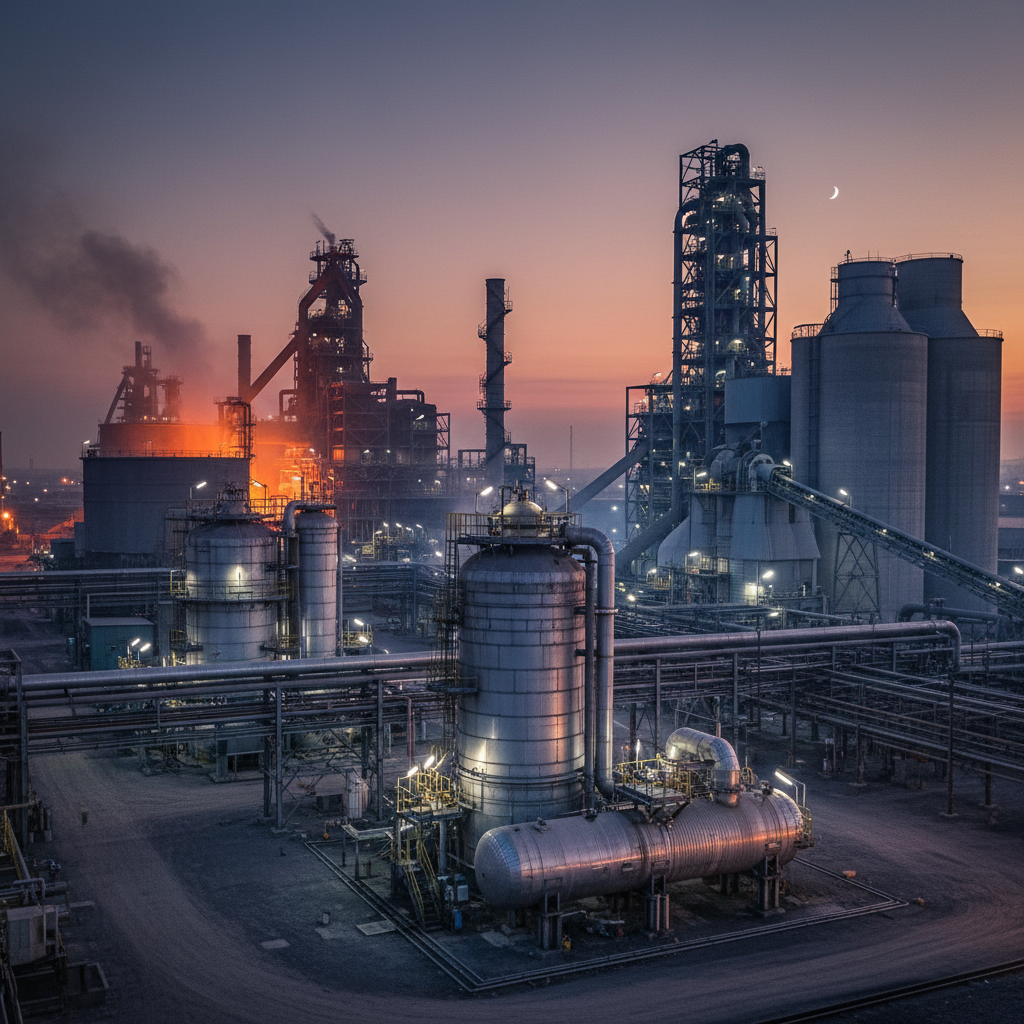
لطالما واجهت الجهود العالمية لإزالة الكربون تحديًا كبيرًا في الصناعات الثقيلة، حيث تعتبر الحرارة عالية الجودة، التي يتم توليدها تقليديًا بواسطة الوقود الأحفوري، لا غنى عنها. تشتهر قطاعات مثل الصلب والإسمنت والمواد الكيميائية ببصمتها الكربونية الكبيرة، ويرجع ذلك إلى حد كبير إلى العمليات كثيفة الاستهلاك للطاقة. يقدم اختراق علمي جديد حلاً واعدًا، قد يحدث ثورة في كيفية تشغيل هذه الصناعات الأساسية باستخدام بديل نظيف وخالٍ من الكربون.
لقد طور الباحثون محفزًا جديدًا من البلاتين أحادي الذرة يُظهر كفاءة استثنائية في إشعال احتراق الأمونيا والحفاظ عليه. يمكن لهذا المحفز المبتكر أن يبدأ حرق الأمونيا عند درجة حرارة منخفضة نسبيًا تبلغ 200 درجة مئوية، والأهم من ذلك، أن يحافظ على احتراق مستقر وثابت عند درجات حرارة عالية للغاية، تصل إلى 1100 درجة مئوية. هذه القدرة الرائعة حيوية للتطبيقات الصناعية التي تتطلب حرارة شديدة ومتسقة.
إحدى أهم المزايا لهذا المحفز الجديد هي قدرته على توليد حرارة عالية الجودة خالية تمامًا من الكربون. عند احتراق الأمونيا، تنتج النيتروجين وبخار الماء، مما يلغي انبعاثات ثاني أكسيد الكربون – وهو مساهم رئيسي في تغير المناخ. علاوة على ذلك، تم تصميم المحفز للعمل بانبعاثات منخفضة من أكاسيد النيتروجين (NOx)، مما يعالج مصدر قلق بيئي حرج آخر مرتبط بعمليات الاحتراق عالية الحرارة. هذه الفائدة المزدوجة المتمثلة في صفر كربون وتقليل أكاسيد النيتروجين تجعله خيارًا جذابًا للغاية للممارسات الصناعية المستدامة.
الآثار المترتبة على الصناعات الثقيلة عميقة. تعد قطاعات الصلب والإسمنت والمواد الكيميائية من أصعب القطاعات التي يصعب إزالة الكربون منها بسبب اعتمادها على عمليات درجات الحرارة العالية التي يصعب تحويلها إلى الكهرباء. من خلال توفير مصدر موثوق للحرارة عالية الجودة والخالية من الكربون، يقدم هذا المحفز مسارًا قابلاً للتطبيق لهذه الصناعات لتقليل تأثيرها البيئي بشكل كبير دون المساس بالكفاءة التشغيلية أو جودة الإنتاج. إنه يمثل خطوة حاسمة نحو تحقيق صافي انبعاثات صفرية في هذه القطاعات التي يصعب تخفيف انبعاثاتها.
لا يعد هذا الابتكار بتحويل توليد الحرارة الصناعية فحسب، بل يؤكد أيضًا على إمكانات الأمونيا كلاعب رئيسي في مشهد الطاقة المستقبلي. كحامل للهيدروجين، يمكن إنتاج الأمونيا باستخدام الطاقة المتجددة، مما يعزز جاذبيتها كوقود مستدام. يقربنا تطوير هذا المحفز من مستقبل يمكن أن يتعايش فيه النمو الصناعي مع الإشراف البيئي، مما يمهد الطريق لاقتصاد عالمي أكثر خضرة واستدامة.
يمثل هذا البحث لحظة محورية في السعي لإزالة الكربون الصناعي. من خلال تسخير إمكانات الأمونيا كوقود نظيف بشكل فعال، يوفر محفز البلاتين أحادي الذرة هذا أداة قوية للصناعات التي تسعى جاهدة لتحقيق أهداف المناخ الطموحة. يمكن أن يؤدي اعتماده على نطاق واسع إلى تسريع الانتقال إلى اقتصاد منخفض الكربون، مما يوفر حلاً ملموسًا لأحد أكثر التحديات البيئية إلحاحًا في عصرنا.