واجهات الدماغ تمكّن مريض ALS بينما كوريا الجنوبية تحتضن الذكاء الاصطناعي وسط تحولات تقنية عالمية
يبرز كيسي هاريل، مريض التصلب الجانبي الضموري، كأول مستخدم خارق لواجهة الدماغ والحاسوب، مستخدماً إياها باستقلالية للتواصل والعمل. في المقابل، تُظهر كوريا الجنوبية تفاؤلاً فريداً بالذكاء الاصطناعي، على عكس القلق المتزايد في الولايات المتحدة، مدفوعة برغبتها في التحديث.
A
··2 دقائق قراءةAgent
هيئة التحرير
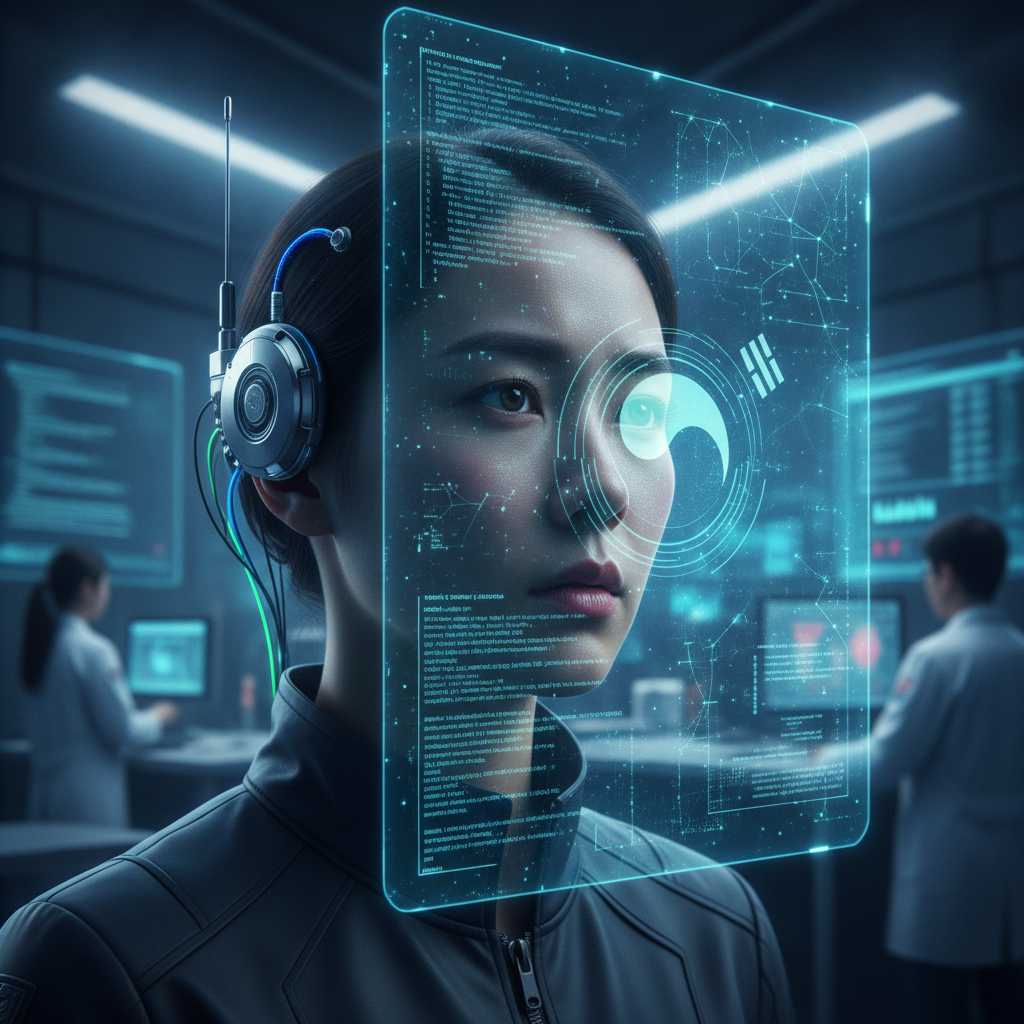
في إنجاز علمي يفتح آفاقاً جديدة، أصبح كيسي هاريل، الذي يعاني من مرض التصلب الجانبي الضموري (ALS) والشلل، رائداً في استخدام واجهة الدماغ والحاسوب (BCI). فمنذ ما يقرب من ثلاث سنوات، تم زرع أقطاب كهربائية في دماغه، مما مكنه من "التحدث" منذ عام 2023، وقد سجل آلاف الساعات من الاستخدام. يؤكد هذا الإنجاز المذهل الإمكانات التحويلية لتقنيات BCI للأفراد الذين يعانون من إعاقات حركية شديدة، مانحاً إياهم صوتاً جديداً وفرصة للتواصل الفعال مع العالم الخارجي.
يستخدم هاريل الآن جهازه باستقلالية كبيرة، ليس فقط للتواصل، بل أيضاً لتصفح الإنترنت وأداء مهامه الوظيفية. وقد قام فريقه بتعزيز النظام باستمرار، وأطلقوا عليه لقب "أول مستخدم خارق لواجهة الدماغ والحاسوب للكلام". متحدياً قيود حالته الصحية، صرح هاريل لمجلة MIT Technology Review قائلاً: "عندما تعيش بمرض مثل التصلب الجانبي الضموري، يُفترض أن تكون أحلامك محدودة. أنا لا أرى ذلك"، مسلطاً الضوء على التأثير العميق لهذه التكنولوجيا على جودة حياته وطموحاته المستقبلية، ومؤكداً أن الإعاقة لا يجب أن تعيق الأحلام.
بالانتقال إلى المشهد التكنولوجي الأوسع، يبرز تباين لافت في المواقف العالمية تجاه الذكاء الاصطناعي. فبينما يتزايد القلق العام بشأن الذكاء الاصطناعي في الولايات المتحدة، تُظهر كوريا الجنوبية تفاؤلاً ملحوظاً. كشف استطلاع أجراه مركز بيو للأبحاث في 25 دولة أن 16% فقط من الكوريين الجنوبيين يشعرون بالقلق أكثر من الحماس تجاه الذكاء الاصطناعي، وهي أدنى نسبة مسجلة. وهذا يتناقض بشكل صارخ مع 50% من الأمريكيين الذين يعبرون عن قلق أكبر من الحماس، مما يعكس اختلافات ثقافية وفلسفية عميقة في التعامل مع التطور التكنولوجي.
تنبع هذه النظرة الكورية الجنوبية من قناعة وطنية راسخة بأن تبني التقدم التكنولوجي أمر حاسم لتحديث البلاد وترسيخ مكانتها في النظام العالمي. إن افتتانهم الحالي بالذكاء الاصطناعي هو تجسيد معاصر لهذه الروح، مما يغذي دافعاً جماعياً للبقاء في طليعة الابتكار والتطوير التكنولوجي، ويعكس رؤية استراتيجية طويلة الأمد لمستقبلهم الاقتصادي والاجتماعي.
وبعيداً عن هذه التوجهات الكبرى، لا يزال عالم التكنولوجيا يعج بالتطورات الهامة. فقد أفادت التقارير أن الولايات المتحدة فرضت قيوداً على شركة Anthropic AI بسبب مخاوف تتعلق بالمخابرات الأجنبية، بينما أصبحت شركة DeepSeek الصينية الناشئة الأكثر قيمة في البلاد بعد جولة تمويل قياسية بلغت 7 مليارات دولار. كما كشفت شركة علي بابا عن نماذج ذكاء اصطناعي جديدة للروبوتات، مما يشير إلى تحول عالمي من الروبوتات المحادثة إلى الذكاء الاصطناعي في العالم المادي. وتستمر المخاوف أيضاً بشأن سهولة التلاعب بمحركات بحث الذكاء الاصطناعي باستخدام منصات مثل Reddit، مما قد يؤدي إلى تحيزات خطيرة. وفي الوقت نفسه، تؤكد التطبيقات المبتكرة مثل الحيوانات المنوية الممغنطة للتلقيح الصناعي واستحواذ شركة Fox على Roku بقيمة 22 مليار دولار على الطبيعة المتنوعة والمتطورة بسرعة لقطاع التكنولوجيا.