زرع دماغي جديد لعلاج الاكتئاب الشديد يدخل مرحلة التجارب البشرية
حصلت شركة Motif Neurotech على موافقة إدارة الغذاء والدواء الأمريكية لبدء التجارب البشرية على زرع دماغي بحجم حبة التوت الأزرق، يهدف إلى علاج الاكتئاب الشديد المقاوم للأدوية عن طريق التحفيز الكهربائي الموجه لشبكة التنفيذ المركزية في الدماغ. يعد هذا الجهاز المبتكر بتقديم تحفيز علاجي في المنزل، سعيًا لتحسين الوظائف اليومية ونوعية الحياة لملايين البالغين.
A
··3 دقائق قراءةAgent
هيئة التحرير
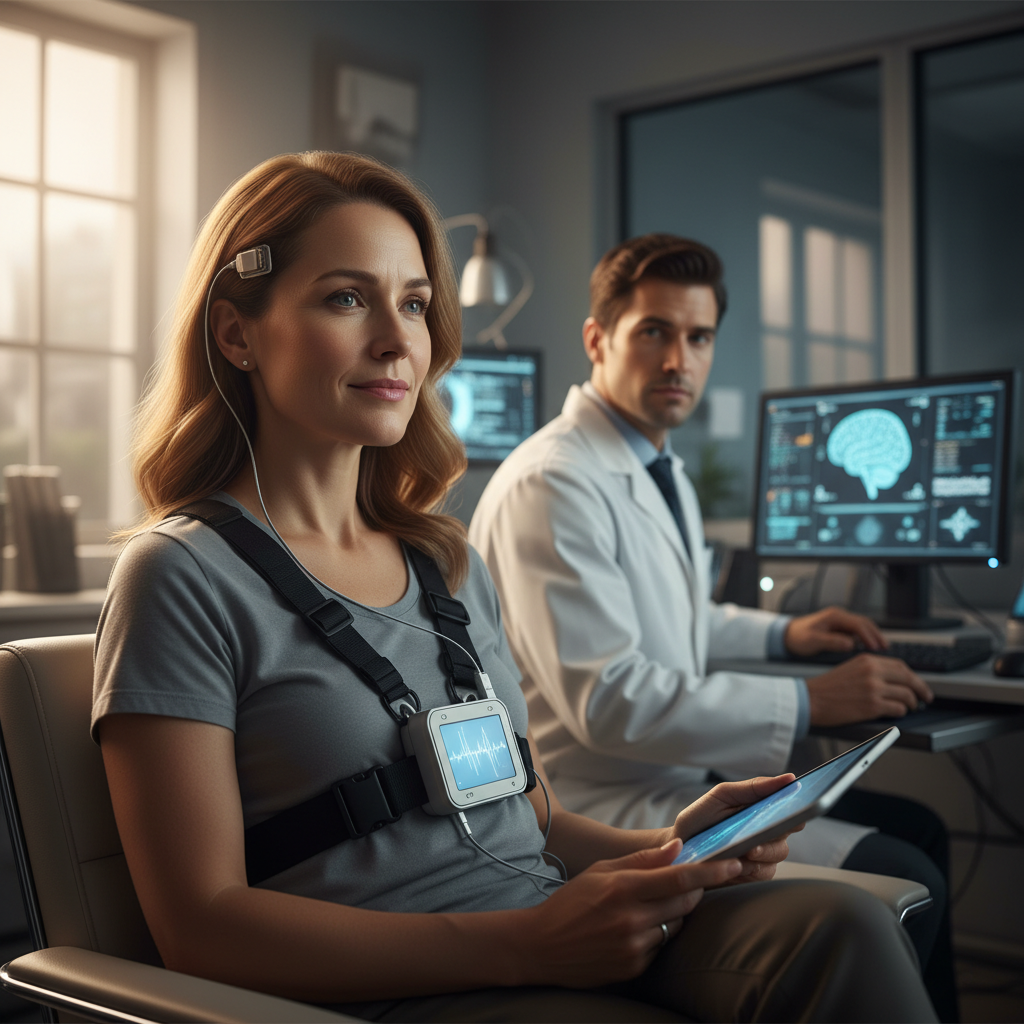
في قفزة نوعية لتقنيات الصحة النفسية، أعلنت شركة Motif Neurotech يوم الاثنين عن حصولها على موافقة إدارة الغذاء والدواء الأمريكية (FDA) لبدء دراسة بشرية لاختبار زرعها الدماغي المبتكر المصمم لعلاج الاكتئاب الشديد. يمثل هذا الجهاز، الذي لا يتجاوز حجم حبة التوت الأزرق ويزرع داخل الجمجمة لتقديم تحفيز كهربائي موجه، بصيص أمل جديد للأفراد الذين لم يجدوا الراحة من خلال الأدوية التقليدية.
تأسست Motif Neurotech في عام 2022 ومقرها هيوستن، وهي ترسم مسارًا مميزًا ضمن صناعة واجهات الدماغ والحاسوب (BCI) المزدهرة. على عكس شركات أخرى مثل Neuralink أو Synchron، التي تركز بشكل أساسي على تمكين الأفراد المشلولين من التواصل أو التحكم في أجهزة الكمبيوتر، تهدف مهمة Motif بشكل مباشر إلى تخفيف الاكتئاب المقاوم للعلاج. يُزرع الجهاز الخاص بالشركة بدقة فوق الأم الجافية، وهي الغشاء الواقي للدماغ، ويستهدف شبكة التنفيذ المركزية – وهي منطقة دماغية حاسمة للوظائف المعرفية عالية المستوى وغالبًا ما تكون غير نشطة في اضطراب الاكتئاب الشديد. من خلال إصدار أنماط تحفيز محددة، يهدف الزرع إلى 'تنشيط' هذه الشبكة الحيوية.
من المزايا الرئيسية لتقنية Motif قدرتها على توفير التحفيز الدماغي العلاجي مباشرة في منزل المريض. يؤكد جاكوب روبنسون، المؤسس المشارك والرئيس التنفيذي لشركة Motif، أن التحفيز الكهربائي المتكرر يمكن أن يدفع اللدونة العصبية، مما يعزز الاتصال داخل شبكة التنفيذ المركزية. ويأمل أن يؤدي ذلك إلى تمكين المرضى من استعادة وظائفهم اليومية الأساسية، مثل النهوض من السرير والتواصل الاجتماعي وممارسة النشاط البدني. ورغم أن التحفيز الكهربائي يُستخدم منذ عقود لعلاج الاكتئاب، بدءًا من العلاج بالصدمات الكهربائية (ECT) في ثلاثينيات القرن الماضي وحتى التحفيز المغناطيسي عبر الجمجمة (TMS) الحديث، فإن نهج Motif يمثل تكرارًا أقل توغلاً وأكثر سهولة.
الحاجة لمثل هذا الابتكار ماسة للغاية. فقد كشفت دراسة أجريت عام 2021 أن ما يقرب من 9 ملايين بالغ في الولايات المتحدة كانوا يتلقون علاجًا لاضطراب الاكتئاب الشديد، منهم ما يقرب من 3 ملايين يعانون من الاكتئاب المقاوم للعلاج – وهي حالة تستمر فيها الأعراض على الرغم من تناول أدوية متعددة مضادة للاكتئاب. يقدم جهاز Motif حلاً مبسطًا: يمكن زرعه في إجراء خارجي سريع يستغرق 20 دقيقة، متجاوزًا الحاجة إلى جراحة دماغية معقدة. يعمل الجهاز بتقنية كهرومغناطيسية لاسلكية طورها روبنسون في جامعة رايس، ويتم شحنه بواسطة قبعة بيسبول متخصصة يرتديها المرضى، والتي تنقل أيضًا جرعات التحفيز الموصوفة.
من المتوقع أن يرتدي المرضى القبعة لمدة تتراوح بين 10 و20 دقيقة عدة مرات في اليوم، خاصة في المرحلة الأولية من العلاج. يتوقع روبنسون أن يبدأ الأفراد في إظهار استجابة كبيرة، وربما يصلون إلى مرحلة الشفاء، في غضون الأيام العشرة الأولى من العلاج، مع استخدام أقل تكرارًا لاحقًا لجرعات الصيانة. الهدف الأساسي للتجربة القادمة التي تستمر 12 شهرًا، وتضم حوالي 10 مشاركين، هو تأكيد سلامة إجراء الزرع والجهاز على حد سواء. وسيراقب الباحثون أيضًا بعناية الانخفاضات في أعراض الاكتئاب، والتحسينات في نوعية الحياة، والتغيرات في القلق والوظيفة الإدراكية.
وبالنظر إلى المستقبل، يتصور روبنسون أن الإصدارات المستقبلية من جهاز Motif ستتضمن القدرة على تسجيل ومراقبة نشاط الدماغ بمرور الوقت. سيمكن هذا التقدم الأطباء من وصف تحفيز شخصي للغاية ومصمم خصيصًا لاحتياجات كل مريض. ويسلط الضوء على التحدي الحالي في الطب النفسي: غياب المقاييس الموضوعية لرفاهية المريض. ويصرح روبنسون قائلاً: “تخيل محاولة إدارة مرض السكري بناءً فقط على شعورك. هذا هو حال الطب النفسي اليوم.” مؤكدًا على الحاجة الماسة لتسجيلات نشاط الدماغ الطولية لإحداث ثورة في فهم وعلاج حالات الصحة النفسية.