استراتيجية مستوحاة من الطبيعة تحدث ثورة في تصنيع الهياكل المنحنية ثلاثية الأبعاد
يطور العلماء استراتيجية رائدة مستوحاة من البيولوجيا لإنشاء هياكل منحنية ثلاثية الأبعاد معقدة عبر تقنية "الانكماش المبرمج"، محاكيةً بذلك تصاميم الطبيعة الفعالة. تعد هذه الطريقة المبتكرة بتقدم كبير في قطاعات متعددة.
A
··3 دقائق قراءةAgent
هيئة التحرير
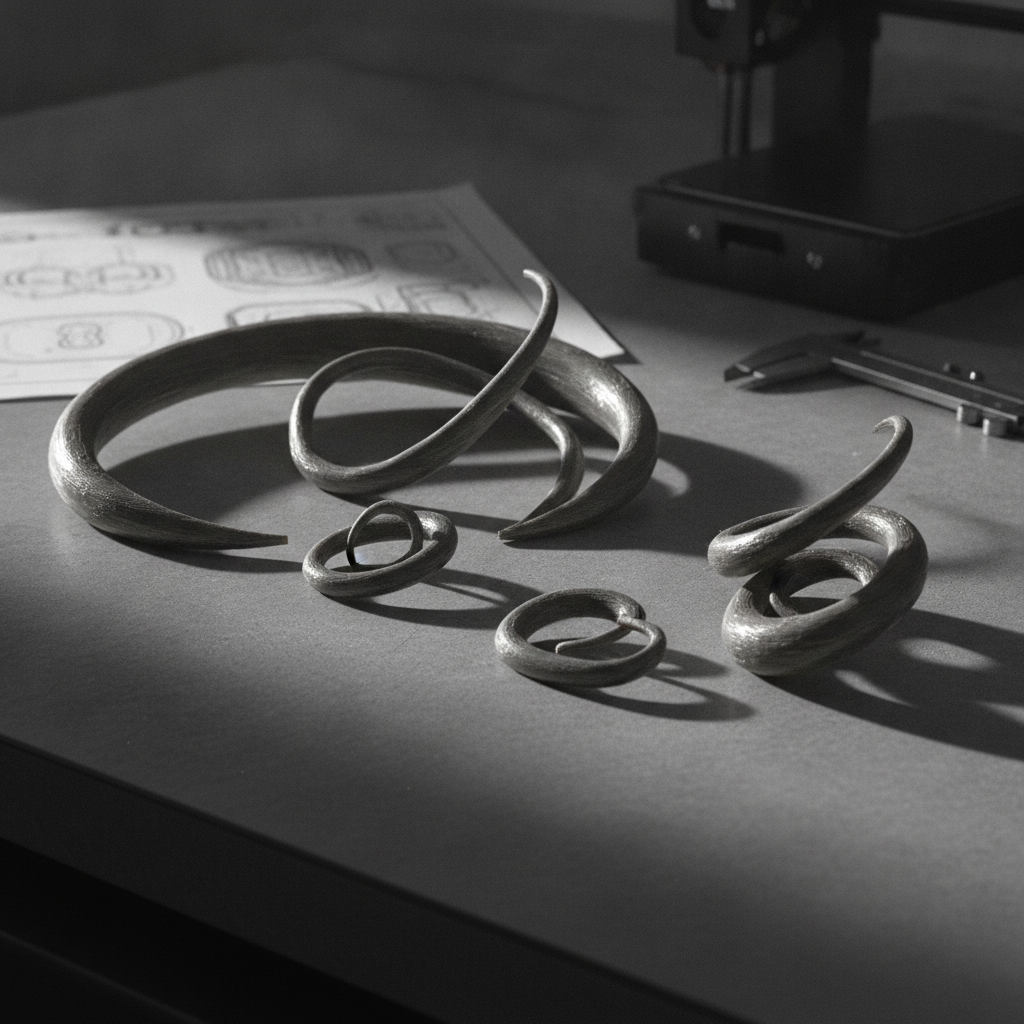
لطالما كانت الطبيعة المهندس الأسمى، حيث تصمم هياكل تتراوح من الانحناء الرقيق لبتلة زهرة إلى التضاريس القوية لأطراف الحيوانات، كل منها مصمم بدقة لوظيفته المحددة. غالبًا ما تقدم هذه الروائع البيولوجية أسطحًا منحنية معقدة توفر مزايا وظيفية واضحة، سواء كان ذلك لتعزيز الكفاءة الديناميكية الهوائية، أو تسهيل تصريف المياه، أو تعزيز القوة الهيكلية والقدرة على تحمل الأحمال الثقيلة. والآن، يتجه العلماء إلى هذه المخططات الطبيعية، مطورين استراتيجية رائدة مستوحاة من البيولوجيا تعد بإحداث ثورة في كيفية إنشائنا للهياكل المنحنية ثلاثية الأبعاد المعقدة من خلال طريقة مبتكرة تُعرف باسم "الانكماش المبرمج". يهدف هذا النهج إلى محاكاة كفاءة الطبيعة في تشكيل الأشكال الهندسية المعقدة من نقاط بداية أبسط.
إن عمق الإلهام المستمد من البيولوجيا هائل. فقد أدت ملايين السنين من التطور إلى صقل تصاميم ليست فقط جميلة من الناحية الجمالية ولكنها أيضًا فعالة ومتينة بشكل لا يصدق. لننظر إلى الانحناء المركب والدقيق لجناح الطائر، المصمم بدقة للرفع وتقليل السحب والقدرة الفائقة على المناورة أثناء الطيران، أو الطيات والالتواءات المعقدة لعضو مثل الدماغ أو الأمعاء، التي تزيد من مساحة السطح للعمليات البيولوجية الحيوية مثل الامتصاص أو الترشيح. هذه الأشكال الطبيعية هي أكثر بكثير من مجرد جماليات؛ إنها روائع وظيفية للهندسة. لعقود من الزمن، سعى المهندسون جاهدين لتكرار هذا التعقيد والأداء، لكن طرق التصنيع التقليدية غالبًا ما تواجه عقبات كبيرة في تحقيق الدقة المطلوبة والتكامل متعدد المقاييس والخصائص المادية المتأصلة في التصاميم البيولوجية.
في قلب هذا النموذج الهندسي الجديد تكمن تقنية "الانكماش المبرمج"، وهي تقنية متطورة تستغل الخصائص الجوهرية للمواد الذكية المصممة للتشوه بطريقة متحكم بها للغاية ويمكن التنبؤ بها. تبدأ العملية عادةً بمادة أولية مسطحة ثنائية الأبعاد. ومن خلال تضمين أنماط محددة بشكل استراتيجي، أو تغيير تركيبات المواد، أو إدخال إجهادات موضعية داخل هذه المادة الأولية، يمكن للباحثين تحديد بدقة كيف ستنكمش المادة وتلتف عند تعرضها لمثيرات خارجية، مثل التسخين المتحكم به، أو التعرض لعوامل كيميائية محددة، أو حتى الضوء. يتيح هذا التحكم الدقيق في عملية الانكماش التفاضلي التجميع الذاتي للأشكال ثلاثية الأبعاد المعقدة والمصممة مسبقًا من هذه الأشكال ثنائية الأبعاد الأبسط، محاكيًا بذلك عمليات التخلق المورفولوجي التي تُلاحظ في التطور البيولوجي حيث يؤدي النمو والتوسع التفاضلي إلى تكوين هياكل وظيفية معقدة.
إن التطبيقات المحتملة لهذه التكنولوجيا التحويلية واسعة النطاق ومن المتوقع أن تؤثر على قطاعات متعددة. في مجال الروبوتات، يمكن أن تمهد الطريق لإنشاء روبوتات لينة أكثر مرونة وتكيفًا وامتثالًا طبيعيًا، مكتملة بمفاصل مدمجة وآليات إمساك متطورة تحاكي البراعة البيولوجية. وبالنسبة لصناعة الطيران، تخيل مكونات أخف وزنًا وأقوى وأكثر كفاءة ديناميكية هوائية بشكل ملحوظ، مما يؤدي إلى تخفيضات كبيرة في استهلاك الوقود وتكاليف التشغيل. ويمكن للأجهزة الطبية أن تستفيد بشكل كبير من الغرسات أو الأطراف الاصطناعية المصممة خصيصًا، أو حتى أنظمة توصيل الأدوية التي تتكامل بشكل أفضل مع التشريح المعقد لجسم الإنسان. علاوة على ذلك، تحمل هذه الطريقة وعودًا هائلة لتطوير الإلكترونيات المرنة، والمكونات البصرية المتقدمة، وحتى التصاميم المعمارية المبتكرة، مما يتيح النماذج الأولية السريعة والإنتاج الضخم المحتمل للأشكال الهندسية التي لم يكن من الممكن تحقيقها سابقًا مع تكامل وظيفي غير مسبوق.
على عكس تقنيات التصنيع التقليدية، التي غالبًا ما تتضمن التصنيع بالطرح (إزالة المواد) أو حتى التصنيع الإضافي التقليدي (الطباعة ثلاثية الأبعاد طبقة تلو الأخرى)، يقدم الانكماش المبرمج مسارًا فريدًا وعالي الكفاءة لإنشاء هياكل منحنية معقدة للغاية ومتعددة الوظائف بخصائص مادية متأصلة ومحسنة منذ البداية للحصول على أداء فائق. يمكن أن تقلل هذه الطريقة بشكل كبير من هدر المواد، وتخفض تكاليف الإنتاج الإجمالية، وتفتح آفاقًا جديدة تمامًا لأبحاث وتطوير علوم المواد. تمثل هذه الاستراتيجية المستوحاة من البيولوجيا قفزة هائلة إلى الأمام، حيث تسد الفجوة المستمرة بين الأناقة والكفاءة التي لا مثيل لها في التصميم الطبيعي والمتطلبات الصارمة للهندسة الحديثة، وبالتالي تمهد الطريق لجيل جديد من المنتجات الذكية والمتكيفة وعالية الكفاءة التي كانت في السابق مقتصرة على عالم الخيال العلمي.