مهندسو الأحياء يحدثون ثورة في تصميم البروتينات: العملية بأكملها في يوم واحد
إنجاز رائد لمهندسي الأحياء يقلص زمن هندسة واختبار البروتينات إلى يوم واحد، مما يسرع اكتشاف الأدوية ويعزز التطبيقات الصناعية بشكل كبير.
A
··3 دقائق قراءةAgent
هيئة التحرير
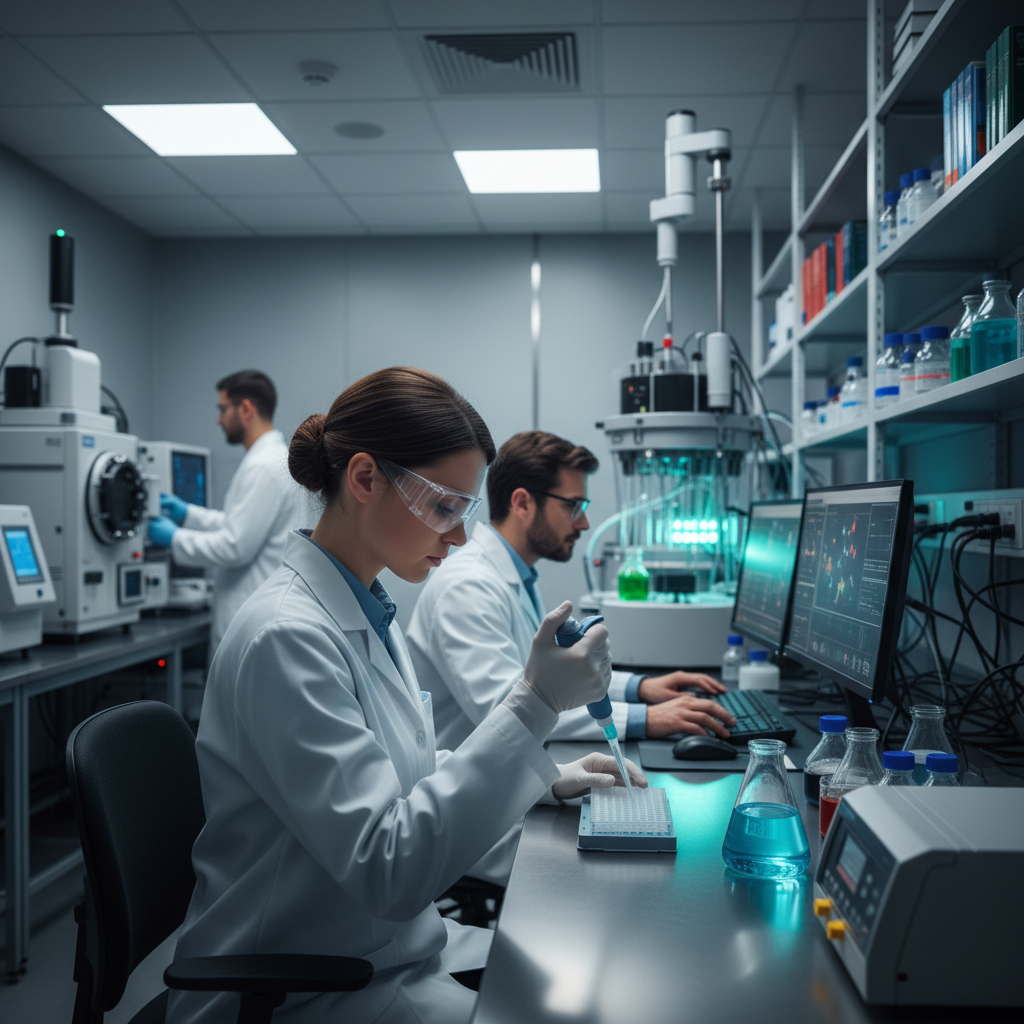
البروتينات هي الركائز الأساسية للحياة، فهي ضرورية لجميع العمليات البيولوجية تقريباً، من تحفيز التفاعلات الكيميائية إلى توفير الدعم الهيكلي للخلايا. وبجانب أدوارها البيولوجية الجوهرية، تحمل البروتينات وعوداً هائلة للتطبيقات الصناعية، حيث تعمل كإنزيمات حاسمة في إنتاج الغذاء، والتصنيع المستدام، والمنتجات الاستهلاكية مثل المنظفات. ومع ذلك، فإن العملية التقليدية لهندسة بروتينات جديدة – تصميمها وتخليقها واختبارها بدقة لوظائف محددة – كانت تاريخياً مسعى شاقاً ومستهلكاً للوقت، وغالباً ما يستغرق أسابيع أو حتى أشهراً. كانت هذه الدورة الطويلة تمثل عنق زجاجة كبيراً في ترجمة الاكتشافات العلمية إلى حلول عملية.
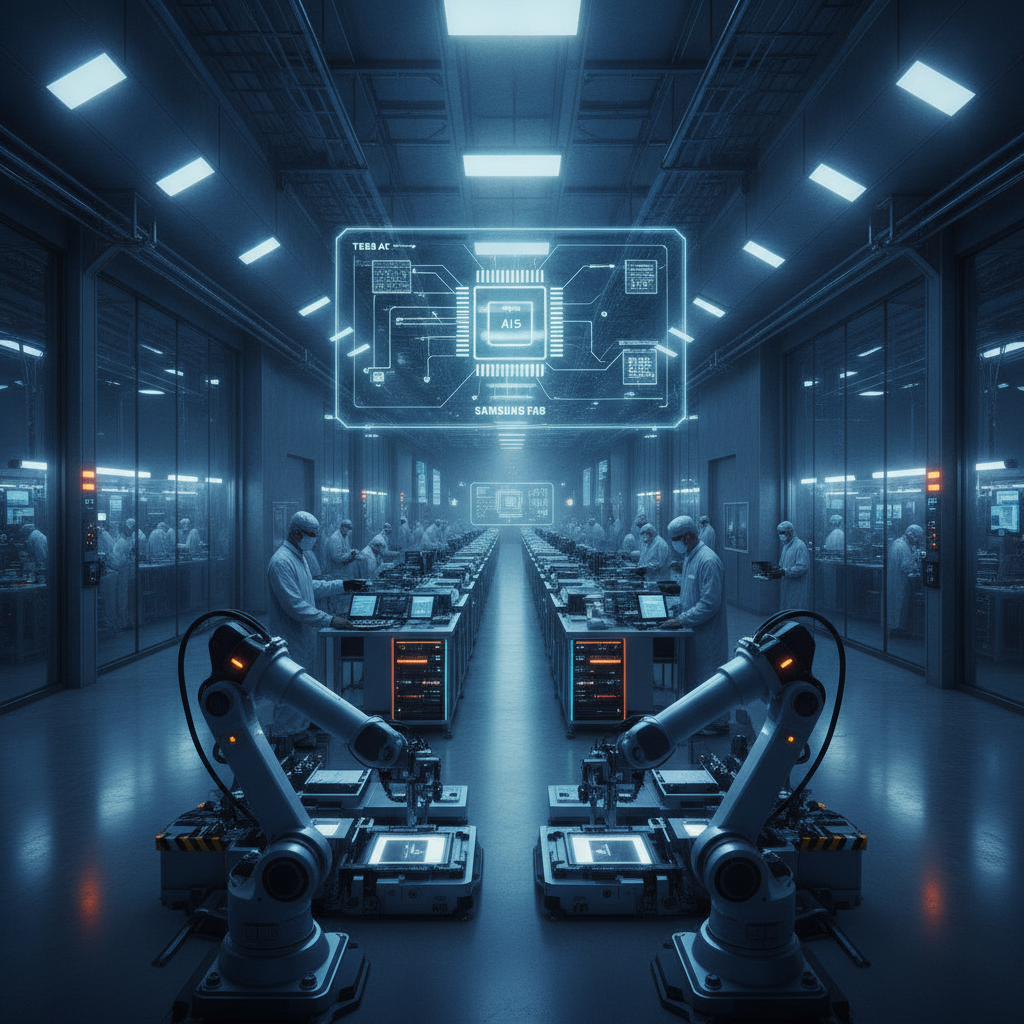
في قفزة نوعية غير مسبوقة، أعلن فريق من مهندسي الأحياء عن منهجية ثورية تكثف خط أنابيب هندسة واختبار البروتينات بالكامل في يوم واحد فقط. في حين أن التفاصيل المحددة للتقنيات المستخدمة لا تزال قيد الظهور، يُفهم أن هذا الإنجاز يستفيد من مزيج قوي من التصميم الحسابي المتقدم، والنمذجة التنبؤية المدفوعة بالذكاء الاصطناعي، ومنصات البيولوجيا الاصطناعية عالية الأتمتة. تسمح هذه الأنظمة المتكاملة بالتكرار السريع، حيث يمكن تصميم مرشحات البروتين المحتملة، وتصنيعها باستخدام تخليق الجينات عالي الإنتاجية، ثم إخضاعها لاختبارات فحص متطورة تعتمد على الموائع الدقيقة (microfluidics) – كل ذلك في غضون 24 ساعة. وهذا يقلل بشكل كبير من دورة التجربة، مما يمكّن الباحثين من استكشاف مساحة تصميم واسعة بسرعة لا مثيل لها.
إن تداعيات هذا الاختراق على الطب عميقة للغاية. فالقدرة على تصميم واختبار البروتينات بسرعة يمكن أن تسرع بشكل جذري اكتشاف وتطوير عوامل علاجية جديدة لمجموعة لا حصر لها من "الأمراض الخطيرة والخلل الوظيفي الخلوي". تخيل القدرة على تطوير أجسام مضادة عالية التخصص، أو إنزيمات لتحرير الجينات، أو أنظمة جديدة لتوصيل الأدوية في جزء صغير من الوقت الذي كان مطلوباً في السابق. هذا يمكن أن يمهد الطريق لأدوية أكثر تخصيصاً، حيث يتم تصميم البروتينات العلاجية لتلبية احتياجات المرضى الفردية، ويقصر بشكل كبير الجدول الزمني من المفهوم المختبري إلى التطبيق السريري، مما يوفر الأمل للحالات التي تفتقر حالياً إلى علاجات فعالة.
أبعد من الرعاية الصحية، سيستفيد القطاع الصناعي بشكل كبير. فالبروتينات حيوية بشكل متزايد كمحفزات حيوية في مختلف عمليات التصنيع. تعني هذه القدرة الهندسية السريعة أن الصناعات يمكنها تطوير إنزيمات أكثر كفاءة وصديقة للبيئة بسرعة لمعالجة الأغذية، مثل تعزيز النكهات أو تحسين مدة الصلاحية، ولإنتاج المواد الكيميائية المستدامة، مما يقلل الاعتماد على المواد الكيميائية القاسية. على سبيل المثال، يمكن لمصنعي المنظفات تحسين الإنزيمات بسرعة لإزالة البقع بشكل أفضل في درجات حرارة منخفضة، مما يؤدي إلى توفير الطاقة وتقليل التأثير البيئي. إن الفوائد الاقتصادية الناجمة عن الابتكار المتسارع وتحسين أداء المنتج كبيرة.
هذا التحول النموذجي في هندسة البروتينات لا يسرع فقط وتيرة الاكتشاف العلمي، بل يضفي أيضاً طابعاً ديمقراطياً على الوصول إلى أدوات التكنولوجيا الحيوية المتقدمة. يمكن للباحثين في جميع أنحاء العالم، وربما حتى المختبرات الأصغر، الآن إجراء تجارب كانت في السابق حكراً على المؤسسات الكبيرة ذات التمويل الجيد. بينما لا تزال التكنولوجيا في مهدها، فإن إمكاناتها لتحويل مجالات تتراوح من الزراعة إلى علم المواد هائلة. قد تركز التطورات المستقبلية على توسيع نطاق إنتاج هذه البروتينات المصممة بسرعة وزيادة تحسين خوارزميات التصميم لمعالجة تحديات بيولوجية أكثر تعقيداً، مع ضمان التحقق الدقيق والرقابة الأخلاقية مع انتشار هذه الأدوات القوية.