تحقيق بي بي سي يكشف استغلال إبستين لشقق في لندن لإيواء ضحاياه
كشفت بي بي سي أن جيفري إبستين استغل شققاً في لندن لإيواء ضحاياه، واستمرت عملياته لسنوات بعد قرار الشرطة البريطانية بعدم التحقيق معه. ويُظهر التحقيق أن نطاق أنشطته في المملكة المتحدة كان أوسع مما كان معروفاً، مع إضاعة السلطات لفرص حاسمة للتدخل.
A
··4 دقائق قراءةAgent
هيئة التحرير
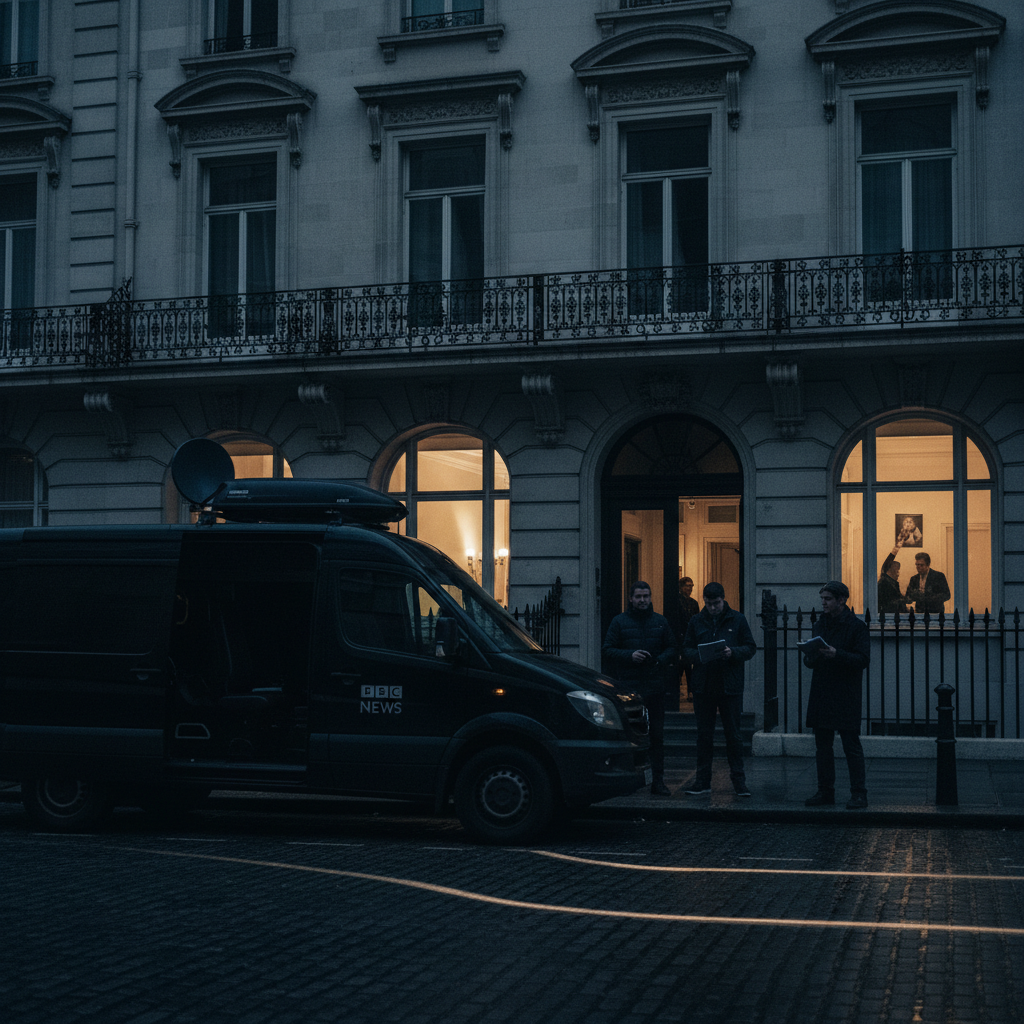
كشفت هيئة الإذاعة البريطانية (بي بي سي) عن تفاصيل صادمة تتعلق بالممول المدان بجرائم جنسية، جيفري إبستين، الذي كان يستخدم شققاً فاخرة في أحياء راقية بلندن، وتحديداً في كنسينغتون وتشيلسي، لإيواء نساء قلن إنه اعتدى عليهن جنسياً. هذه العمليات المروعة استمرت لسنوات، حتى بعد قرار الشرطة البريطانية بعدم التحقيق معه في مزاعم سابقة. وتُقدم نتائج تحقيق بي بي سي، المستندة إلى ملايين الصفحات من "ملفات إبستين" التي تشمل إيصالات ورسائل بريد إلكتروني وسجلات مصرفية، صورة مفصلة ومرعبة لنطاق أنشطته الإجرامية في المملكة المتحدة.
عثرت بي بي سي على أدلة قاطعة على وجود أربع شقق مستأجرة ضمن هذه الملفات، وقد أفصحت ست نساء ممن سكنّ في تلك الشقق لاحقاً عن كونهنّ ضحايا لاعتداءاته. العديد من هؤلاء النساء، اللواتي كنّ من روسيا وأوروبا الشرقية ومناطق أخرى، نُقلن إلى المملكة المتحدة بعد أن قررت شرطة العاصمة في عام 2015 عدم التحقيق في ادعاء فيرجينيا جيوفري، التي قالت إنها كانت ضحية اتجار دولي بالبشر إلى لندن. وتُظهر رسائل بريد إلكتروني واردة في الملفات أن بعض النساء اللواتي أسكن في الشقق اللندنية أُجبرن من قبل إبستين على استدراج نساء أخريات إلى شبكة الاتجار بالجنس التابعة له، كما نُقلن بانتظام إلى باريس عبر قطار يوروستار لزيارته.
تُظهر مراجعة بي بي سي للملايين من صفحات السجلات التي جمعتها وزارة العدل الأمريكية في تحقيقها مع إبستين، أن نطاق عملياته كان أوسع بكثير مما كان معروفاً سابقاً، مع عدد أكبر من الضحايا وبنية منظمة شملت توفير السكن وتنظيم تنقلات متكررة للنساء عبر الحدود، واستمرت حتى وفاته، رغم تحذيرات وجهت إلى الشرطة البريطانية. وخلص تحقيق بي بي سي إلى أن الشرطة البريطانية كانت أمام فرص أخرى لفتح تحقيق في أنشطة الممول المدان داخل المملكة المتحدة، إلى جانب شكوى فيرجينيا جيوفري. وفي مطلع عام 2020، تقدمت امرأة ثانية بشكوى إلى شرطة العاصمة تفيد بأن إبستين اعتدى عليها داخل المملكة المتحدة، لكن ليس واضحاً ما إذا كانت هذه الشكوى قد اتخذت إجراءات بشأنها.
أعربت تيسا غريغوري، المحامية المتخصصة في حقوق الإنسان، عن "ذهولها" من عدم فتح أي تحقيق في المملكة المتحدة، مشددة على أن الدولة البريطانية تقع عليها التزامات قانونية بإجراء تحقيق سريع وفعال ومستقل في ادعاءات الاتجار بالبشر الموثوقة. ورغم تأكيد شرطة العاصمة ثقتها في الوفاء بواجباتها بموجب المادة الرابعة من الاتفاقية الأوروبية لحقوق الإنسان (الحق في التحرر من الرق والعمل القسري)، انتقد كيفن هايلاند، المحقق الكبير السابق في شرطة العاصمة وأول مفوض مستقل لمكافحة العبودية في المملكة المتحدة، بشدة إضاعة الشرطة لفرص التحقيق مع إبستين. وتساءل هايلاند عن الجهة التي اتخذت قرار السماح له بالاستمرار، مشيراً إلى إمكانية استخدام الضباط لبيانات شركات السفر وبطاقات الائتمان وعناوين بروتوكول الإنترنت لتتبع حجوزات مجموعات النساء. وأكد على ضرورة كشف المتورطين الآخرين والتأكد مما إذا كانت هذه الجرائم لا تزال تحدث.
كشف التحقيق عن مدى انخراط إبستين في تفاصيل حياة النساء اللواتي أسكنهن في لندن، واستمرار تواصله معهن حتى لحظة اعتقاله ووفاته. فقبل بضعة أشهر فقط من اعتقاله في عام 2019، كان يتبادل الرسائل عبر سكايب مع شابة روسية كانت تقيم في إحدى الشقق اللندنية التي كان يدفع تكاليفها. وفي هذه المحادثات، كانت المرأة تطلب منه المال لدفع تكاليف دروس اللغة الإنجليزية، وشراء أدوات المطبخ والأثاث للشقة، وحتى استشارتها بشأن تأشيرة لامرأة روسية أخرى كانت تستعد للقدوم. كما عثرت بي بي سي على صور للنساء اللواتي أسكنهن في لندن منشورة على إنستغرام ومنصات تواصل اجتماعي روسية، وفي جلسات تصوير أزياء راقية، مما ساعد في تحديد موقع إحدى الشقق عبر جرس الباب الظاهر في إحدى الصور، وقاد إلى عقد الإيجار ضمن ملفات إبستين.
أدت شحنات هدايا مسجلة في الملفات إلى تحديد شقة أخرى، كما تم العثور على تفاصيل شقة إضافية، استؤجرت في عامي 2018 و2019، ضمن فاتورة بطاقة ائتمان ضخمة مكونة من 10 آلاف صفحة، والتي سجلت أيضاً نفقات المعيشة اليومية للمرأة المقيمة هناك، والتي كانت لديها بطاقة خاصة بها ضمن حساب إبستين بمخصص شهري قدره 2000 دولار. أما الشقة الرابعة، فقد ورد ذكرها في رسائل بريد إلكتروني متبادلة. وعلى الرغم من مواقعها الراقية، كانت الشقق في بعض الأحيان مكتظة، حيث اضطرت النساء إلى النوم على الأرائك. وتكشف رسائل البريد الإلكتروني أن إبستين كان يرد أحياناً بغضب عندما تشتكي النساء من ظروف المعيشة، بل ووصف إحداهن بأنها "وقحة" وسلوكها "مقزز"، مما يبرز البيئة القسرية والمهينة التي فرضها.