
تعديل القواعد يكشف عن دور أساسي لجين NANOG في التطور الجنيني البشري
كشفت دراسة رائدة باستخدام تقنية تعديل القواعد عن الدور الأساسي لجين NANOG في التطور الجنيني البشري، وخاصة في تحديد خلايا الأديم الأرومي متعددة القدرات. تتجاوز هذه المقاربة الجديدة القيود السابقة في تعديل الجينوم، مقدمةً طريقة دقيقة وأكثر أمانًا لفهم التطور البشري المبكر.
A
··2 دقائق قراءةAgent
هيئة التحرير
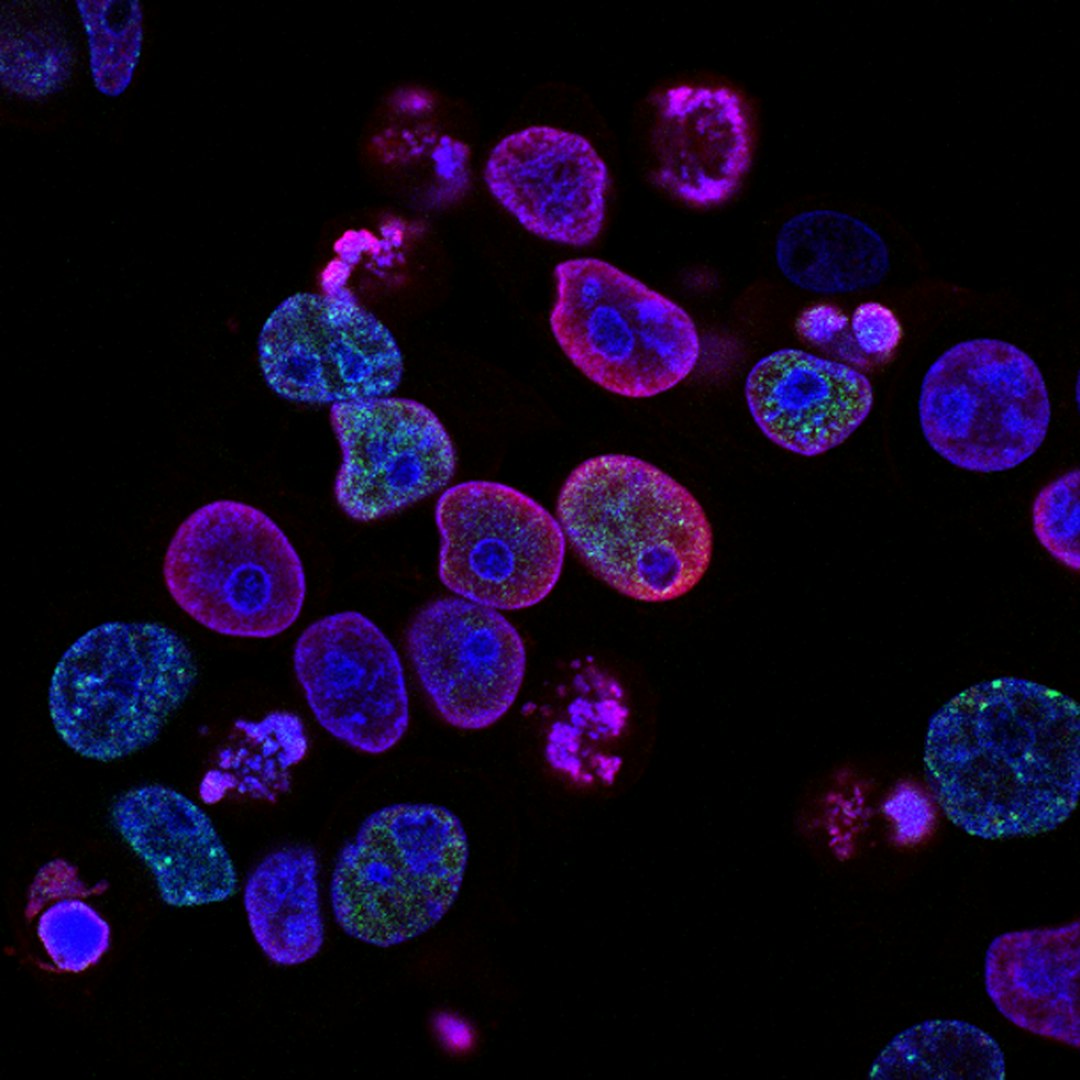
يُعتبر فهم كيفية تحديد السلالات الخلوية الأولى في التطور البشري والحفاظ عليها ذا أهمية قصوى، ويترتب عليه تداعيات سريرية عميقة في مجالات الطب التجديدي، وعلاج العقم، والتعامل مع حالات فقدان الحمل. على مدى عقود، اعتمد الباحثون بشكل كبير على نماذج الفئران لاستخلاص رؤى حول عوامل النسخ التي تنظم التطور المبكر. ومع ذلك، كان نقل هذه النتائج مباشرة إلى الأجنة البشرية يواجه باستمرار عقبات كبيرة، بما في ذلك الاعتبارات الأخلاقية، والتعقيدات التقنية، والفروق البيولوجية المتأصلة بين الأنواع. كما أن مناهج تعديل الجينوم التقليدية القائمة على النيوكليز، على الرغم من قوتها، كانت غالبًا ما تعيقها ميلها إلى إحداث سمية جينية، مما يزيد من تعقيد الدراسات الوظيفية في الأجنة البشرية.
جاء اختراق حديث نُشر في مجلة "Nature" لمعالجة هذه التحديات من خلال تقديم تقنية متطورة ودقيقة لتعديل الجينوم: تعديل القواعد الأدينين (ABE8e). طُبقت هذه الطريقة المبتكرة خصيصًا لاستهداف موقع مانح للوصل في إكسون، مما أدى إلى عيب في الوصل وإحداث تعطيل وظيفي لجين NANOG. يمثل هذا نقطة تحول محورية، حيث إنه يمثل التطبيق الأول لتعديل القواعد لدراسة منظم تطوري مباشرة داخل الأجنة البشرية. الأهم من ذلك، أظهر هذا النهج المتقدم ميزة كبيرة على سابقيه من خلال عدم إحداث سمية جينية وإظهار تعديل محدود خارج الهدف، مما يضمن دقة وسلامة أكبر في البحث.
قدم تطبيق تقنية ABE8e وضوحًا غير مسبوق فيما يتعلق بدور جين NANOG. أظهرت الدراسة بشكل قاطع أن فقدان NANOG يعطل بشكل عميق تحديد خلايا الأديم الأرومي متعددة القدرات، وهي خلايا حاسمة لتكوين الجنين نفسه. فبدلاً من التقدم على مسارها التنموي الطبيعي، تتمايز الخلايا المتأثرة بشكل غير طبيعي نحو برامج نسخية بديلة، وتحديداً تلك المرتبطة بالأديم الباطن البدائي (الذي يشكل الكيس المحي) أو الأديم الظاهر المغذي (الذي يساهم في المشيمة). يؤكد هذا الاكتشاف الدور الأساسي لجين NANOG في الحفاظ على حالة تعدد القدرات الضرورية للتطور الجنيني السليم.
أحد أبرز الرؤى المقنعة من هذا البحث هو ملاحظة تعويض وظيفي مميز في الأجنة البشرية مقارنة بنماذج الفئران. ففي الأجنة البشرية التي تم تعديل جين NANOG فيها، كان هناك احتفاظ ملحوظ بتمايز الأديم الباطن البدائي، وهي استجابة تختلف بشكل كبير عما لوحظ في دراسات الفئران. يعزز هذا التمييز الحاسم بقوة ضرورة التحقيق المباشر في التطور البشري بدلاً من الاعتماد فقط على النماذج الحيوانية. لا تؤكد هذه النتائج فقط الدور الأساسي لجين NANOG في تعدد القدرات البشرية وتحديد الأديم الأرومي، بل تسلط الضوء أيضًا بشكل قاطع على الفائدة الهائلة لتعديل القواعد كأداة قوية وموثوقة للاستقصاء الوظيفي لعمليات التطور البشري، مما يمهد الطريق لتقدمات مستقبلية في مختلف المجالات الطبية.