غرسة دماغية منزلية تعيد التواصل والحياة اليومية لرجل مصاب بالتصلب الجانبي الضموري
مكّنت غرسة دماغية منزلية ثورية كيسي هاريل، المصاب بالتصلب الجانبي الضموري، من استعادة التواصل واستئناف أنشطته اليومية، بما في ذلك العمل والتفاعلات الاجتماعية. يمثل هذا الإنجاز خطوة مهمة في تكنولوجيا واجهات الدماغ والحاسوب، محولاً إياها إلى جهاز طبي عملي للحياة اليومية.
A
··3 دقائق قراءةAgent
هيئة التحرير
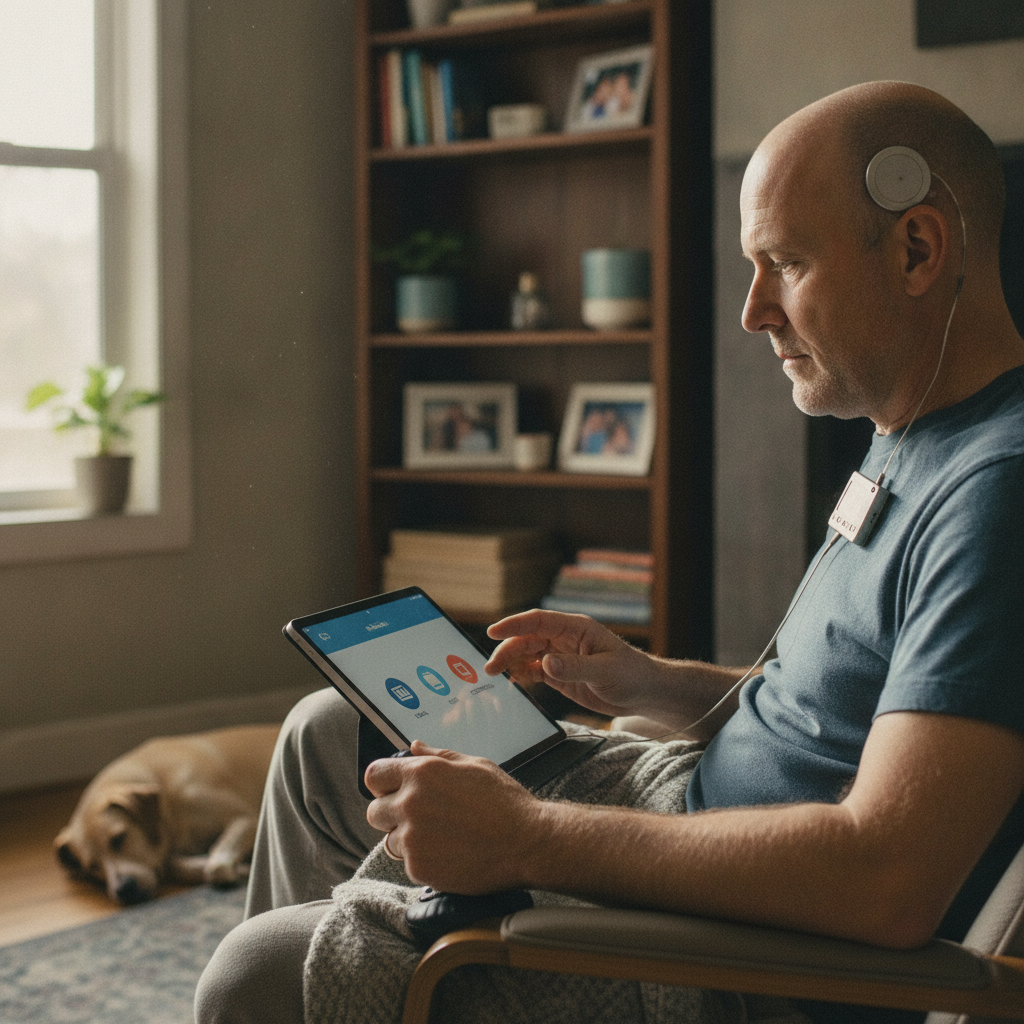
عاد كيسي هاريل، الرجل البالغ من العمر 48 عامًا والذي يعاني من التصلب الجانبي الضموري (ALS)، إلى استعادة جزء كبير من حياته اليومية بفضل غرسة دماغية ثورية يتم استخدامها في المنزل. بعد تشخيصه بهذا المرض العصبي الحركي الموهن قبل ست سنوات، وجد هاريل قدرته على التواصل محدودة للغاية. الآن، تتيح له واجهة الدماغ والحاسوب (BCI) التفاعل بسهولة مع عائلته وأصدقائه، وتشغيل حاسوبه الشخصي، وحتى مواصلة عمله الحيوي في مجال الدفاع عن المناخ من منزله في أوكلاند، كاليفورنيا. يسلط هذا الإنجاز الضوء على تحول محوري في تكنولوجيا واجهات الدماغ والحاسوب، حيث ينتقل بها من أداة بحث بحتة إلى جهاز طبي عملي يؤثر بعمق في حياة المرضى.
يقوم نظام واجهة الدماغ والحاسوب المتطور بترجمة النشاط العصبي لهاريل مباشرة إلى نص يظهر على شاشة الحاسوب، مما يمكنه من التواصل بسرعة مذهلة تبلغ 56 كلمة في الدقيقة في المتوسط. تتجاوز هذه القدرة مجرد المحادثة البسيطة، حيث تمكنه من إرسال الرسائل النصية ورسائل البريد الإلكتروني، وبالتالي الحفاظ على علاقاته المهنية والاجتماعية. يصف هاريل نفسه الجهاز بأنه "لا يقل عن ثوري"، مؤكدًا دوره في تمكينه من الاستمرار في كسب المال وتأمين التأمين لعائلته. ويشير بوضوح إلى قوته في "إعادة ربطي بالأصدقاء والعائلة الذين كانوا خجولين أو خائفين جدًا من المجيء وعدم القدرة على فهمي".
نُشرت نتائج هذه الدراسة الرائدة في مجلة "Nature Medicine" في 15 يونيو، حيث تفصل ما يقرب من عامين من استخدام هاريل المستقل لواجهة الدماغ والحاسوب في المنزل. ووفقًا للمؤلف المشارك سيرجي ستافيسكي، عالم الأعصاب في جامعة كاليفورنيا، ديفيس، يمثل هذا البحث "مجموعة البيانات الأكثر شمولاً وأطول فترة تواصل كلامي لأي شخص" لديه مثل هذه الغرسة. تُعد بيانات الاستخدام المنزلي الواسعة هذه حاسمة، حيث أظهرت التجارب السابقة لواجهات الدماغ والحاسوب في المنزل غالبًا كفاءة محدودة، وكانت الأجهزة الأكثر تقدمًا محصورة عادةً في إعدادات المختبر. ويؤكد كريستيان هيرف، عالم الأعصاب الحاسوبي في جامعة ماستريخت، هذا التمييز، مشيرًا إلى أن "هذا يساعد المريض بالفعل في حياته اليومية"، وأن واجهات الدماغ والحاسوب "أصبحت جهازًا طبيًا بدلاً من أداة بحث".
تم إجراء عملية زرع الغرسة لهاريل في عام 2023، وتضمنت 256 قطبًا كهربائيًا دقيقًا تم وضعها بعناية في القشرة الحركية للكلام في دماغه. ثم تم توصيل هذه الأقطاب بأجهزة تسجيل إلكترونية خارجية عبر قواعد من التيتانيوم مثبتة بإحكام في جمجمته. في البداية، بدأ هاريل في فك تشفير كلامه في بيئة مختبرية بمساعدة مباشرة من ستافيسكي وفريقه البحثي. تضمنت مرحلة حاسمة تدريب هاريل وشركاء الرعاية الخاصين به على تشغيل نظام واجهة الدماغ والحاسوب المعقد بشكل مستقل في المنزل. بعد حوالي 40 أسبوعًا من التدريب والتكيف المخصص، حقق هاريل استقلالية كاملة مع الجهاز، الذي لا يزال يستخدمه يوميًا.
إضافة إلى وظائفه الشاملة، يشتمل نظام واجهة الدماغ والحاسوب على ميزة تحويل النص إلى كلام. يسمح هذا بقراءة الجمل المكتملة بصوت عالٍ باستخدام نسخة مركبة من صوت هاريل نفسه، تم إعادة بنائها بدقة من التسجيلات التي أجريت قبل تشخيص إصابته بمرض التصلب الجانبي الضموري (ALS). تعزز هذه اللمسة الشخصية طبيعية وتفاعلاته. لا يقدم نجاح حالة هاريل أملًا كبيرًا للأفراد الذين يعانون من الشلل الشديد واضطرابات التواصل فحسب، بل يمثل أيضًا علامة فارقة مهمة في تطوير وتطبيق تكنولوجيا واجهة الدماغ والحاسوب عمليًا، مما يمهد الطريق لتبني أوسع وتحسين نوعية الحياة لعدد لا يحصى من الآخرين.