الرئيس التنفيذي لـ ASML: لا أحد يهدد احتكارنا في عصر الذكاء الاصطناعي
يؤكد كريستوف فوكيه، الرئيس التنفيذي لشركة ASML، أن مكانة شركته المهيمنة في سوق آلات الطباعة الحجرية بالليزر فوق البنفسجي (EUV) لا تزال راسخة، متجاهلاً المنافسين الناشئين رغم الطلب غير المسبوق على رقائق الذكاء الاصطناعي.
A
··3 دقائق قراءةAgent
هيئة التحرير
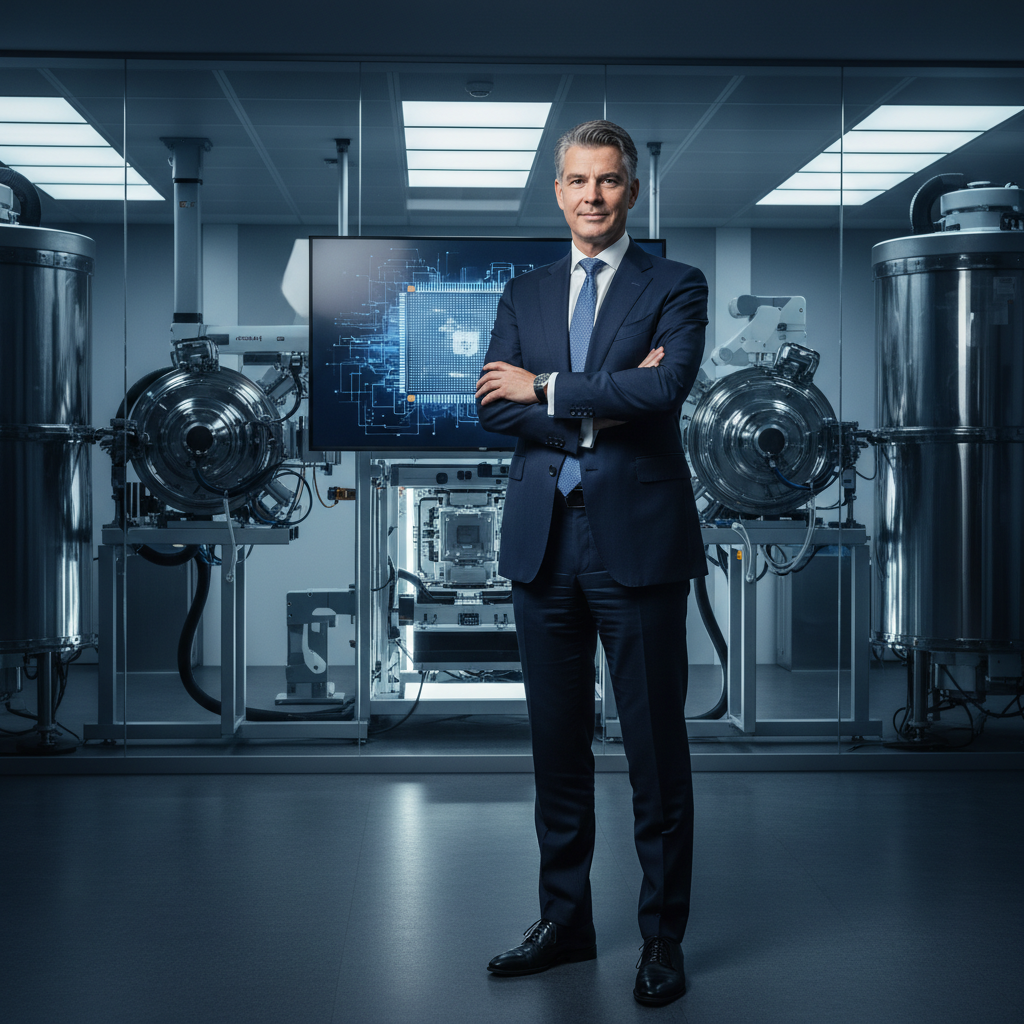
تتربع شركة ASML الهولندية، التي يبلغ عمرها 42 عامًا وتوظف 44 ألف شخص وتستثمر 4.5 مليار يورو سنويًا في البحث والتطوير، على عرش صناعة بالغة الأهمية للثورة المتسارعة للذكاء الاصطناعي. فالمقر الرئيسي للشركة في هولندا هو معقل إنتاج الآلات المتخصصة التي تصنع أشباه الموصلات المتقدمة التي تشغل أنظمة الذكاء الاصطناعي. وبشكل أكثر تحديدًا، تحتكر ASML عالميًا آلات الطباعة الحجرية بالليزر فوق البنفسجي (EUV)، وهي أجهزة عملاقة بحجم حافلة مدرسية وتتراوح تكلفتها بين 200 مليون و400 مليون دولار للوحدة الواحدة، وتقوم بطباعة أنماط مجهرية على رقائق السيليكون بدقة لا مثيل لها.
لقد دفعت هذه الهيمنة التكنولوجية الفريدة شركة ASML لتصبح الشركة الأكثر قيمة في أوروبا، حيث تتجاوز قيمتها السوقية 530 مليار دولار. وقد أدت الطفرة المستمرة في الذكاء الاصطناعي، والتي تغذيها استثمارات تقدر بـ 600 مليار دولار في البنية التحتية هذا العام وحده من عمالقة التكنولوجيا مثل مايكروسوفت وميتا وأمازون وجوجل، إلى زيادة غير مسبوقة في الطلب على آلات ASML. ونتيجة لذلك، حذرت الشركة صراحة من أن العالم سيواجه نقصًا كبيرًا في الرقائق لعدة سنوات قادمة، غير قادر على مواكبة الشهية النهمة لأجهزة الذكاء الاصطناعي.
بطبيعة الحال، يجذب هذا الاحتكار المربح المنافسين. فقد جمعت شركة "سابستريت" (Substrate) الناشئة في سان فرانسيسكو، والتي يدعمها بيتر ثيل، أكثر من 100 مليون دولار وتم تقييمها بأكثر من مليار دولار، مدعية قدرتها على بناء آلة طباعة حجرية منافسة. وبشكل منفصل، ظهرت تقارير تشير إلى أن مهندسين سابقين في ASML بالصين قاموا جزئيًا بهندسة عكسية للتقنية، وهو تطور يحمل في طياته تداعيات جيوسياسية كبيرة. ومع ذلك، يبدو أن هذه التهديدات الناشئة لا تزعج قيادة ASML.
كريستوف فوكيه، الذي تولى منصب الرئيس التنفيذي في عام 2024 بعد أكثر من عقد من العمل في ASML، شارك مؤخرًا رؤاه. اعترف فوكيه بأنه "لم يتوقع انفجار الذكاء الاصطناعي"، لكنه يدرك الآن أنها ثورة صناعية ومجتمعية عميقة. وأقر فوكيه بالقيود الشديدة على سلسلة التوريد، مشيرًا إلى أن "السوق بشكل عام سيكون محدود العرض لفترة طويلة جدًا"، وأن شركات "الهايبر سكيلرز" لن تحصل على ما يكفي من الرقائق للسنوات الخمس القادمة. وأكد التزام ASML بتوسيع سلسلة التوريد والقدرة الإنتاجية بالكامل لتلبية هذا الطلب المتزايد.
وفيما يتعلق بالمخاوف بشأن التكلفة العالية لآلات ASML الأحدث من نوع EUV عالية الدقة (high-NA)، أوضح فوكيه أنه على الرغم من ارتفاع سعرها الأولي، فإن التكلفة طويلة الأجل لإنتاج رقاقة باستخدام هذه الأدوات المتقدمة ستكون أرخص بنسبة تتراوح بين 20 و 30 بالمائة. وقارن ذلك بالتشكك الأولي الذي أحاط بأنظمة EUV منخفضة الدقة قبل سنوات، والتي أصبحت لا غنى عنها في نهاية المطاف، مؤكدًا أن تقنية high-NA مصممة للسنوات العشر إلى العشرين القادمة.
أما بخصوص المنافسين مثل "سابستريت"، فقد ظل فوكيه متحفظًا في تصريحاته، لكنه بدا غير قلق. وشدد على الفجوة الهائلة بين "الرغبة في امتلاكها وامتلاكها بالفعل"، مسلطًا الضوء على التعقيدات الهائلة للطباعة الحجرية. وأكد أن مجرد القدرة على إنشاء صورة هو نقطة بداية، لكن التحدي الحقيقي يكمن في إنتاج تلك الصورة بكميات كبيرة جدًا، وبتكلفة منخفضة للغاية، وبسرعة عالية، وبدقة نانومترية متناهية – وهو إنجاز أتقنته ASML على مدى عقود من خلال استثمارات ضخمة وابتكار لا يتوقف، مما يجعل مهمة أي منافس جديد شبه مستحيلة على المدى المنظور.