مشروع آبل الفاشل للسيارة ذاتية القيادة يترك إرثاً من رقائق الذكاء الاصطناعي القوية
على الرغم من إيقاف مشروع آبل الطموح للسيارة ذاتية القيادة، إلا أنه مهد الطريق بشكل غير مباشر لتطوير قدرات الشركة القوية في معالجة الذكاء الاصطناعي على الجهاز. يتجلى هذا الإرث بوضوح في المحرك العصبي ورقاقة M7 Ultra القادمة.
A
··2 دقائق قراءةAgent
هيئة التحرير
على الرغم من أن مشروع آبل الطموح للسيارة ذاتية القيادة، المعروف باسم "Project Titan"، لم ير النور كمنتج استهلاكي، إلا أن هذا المسعى الذي بدا فاشلاً ترك إرثاً غير متوقع وعميق: تطوير رقائق الشركة القوية لمعالجة الذكاء الاصطناعي على الجهاز. في المراحل المبكرة من دورة حياة مشروع السيارة، أدرك مهندسو آبل بسرعة الحاجة الماسة إلى قدرات ذكاء اصطناعي قوية ومدمجة لمعالجة المتطلبات المعقدة للقيادة الذاتية. وبينما لم يتم الانتهاء من معالج السيارة المخصص، كما ذكر مارك غورمان، فإن هذا المطلب الأساسي حفز بشكل مباشر إنشاء المحرك العصبي (Neural Engine) المبتكر من آبل، والذي يشكل الآن العمود الفقري لمعالجة الذكاء الاصطناعي عبر نظامها البيئي للمنتجات.
ظهر المحرك العصبي لأول مرة للجمهور مع هاتف iPhone X، حيث تم دمجه ضمن رقاقة A11 Bionic. في تطبيقاته الأولية، تم استخدامه بشكل أساسي لمهام الرؤية الحاسوبية المتقدمة، مما دعم ميزات رائدة مثل FaceID للمصادقة الآمنة، وAnimoji التعبيرية، وتجارب الواقع المعزز المتنوعة.
من خلال وضع هذا الأساس الحاسم لمعالجة الذكاء الاصطناعي على الجهاز، وضعت آبل نفسها استراتيجياً كشركة رائدة مبكرة في مجال الأجهزة، ثم وسعت قدرات المحرك العصبي ليشمل رقائقها الشهيرة من سلسلة M لأجهزة الكمبيوتر المكتبية والمحمولة. وبينما يُنظر أحياناً إلى جهود آبل البرمجية في مجال الذكاء الاصطناعي على أنها متأخرة عن المنافسين في الصناعة، فإن براعتها في مجال الأجهزة قد حظيت باستمرار بمراجعات رائعة، مما مكن الشركة أيضاً من التأكيد بقوة على ميزات الخصوصية الخاصة بها عن طريق تقليل نقل البيانات إلى السحابة.
وبالنظر إلى المستقبل، فإن آبل تجعل أجهزتها للذكاء الاصطناعي ركيزة أساسية لاستراتيجيتها طويلة الأمد بشكل لا لبس فيه. تشير تقارير الصناعة، ولا سيما من غورمان، إلى تحول كبير في خارطة طريق تطوير رقائق الشركة. يُقال إن آبل تتجاوز التكرارات التقليدية Pro وMax وUltra لرقاقة M6 القادمة، وتختار بدلاً من ذلك تسريع تطوير رقاقة M7 من الجيل التالي. يؤكد هذا التسريع الاستراتيجي التزام الشركة بدفع حدود أداء الذكاء الاصطناعي على الجهاز.
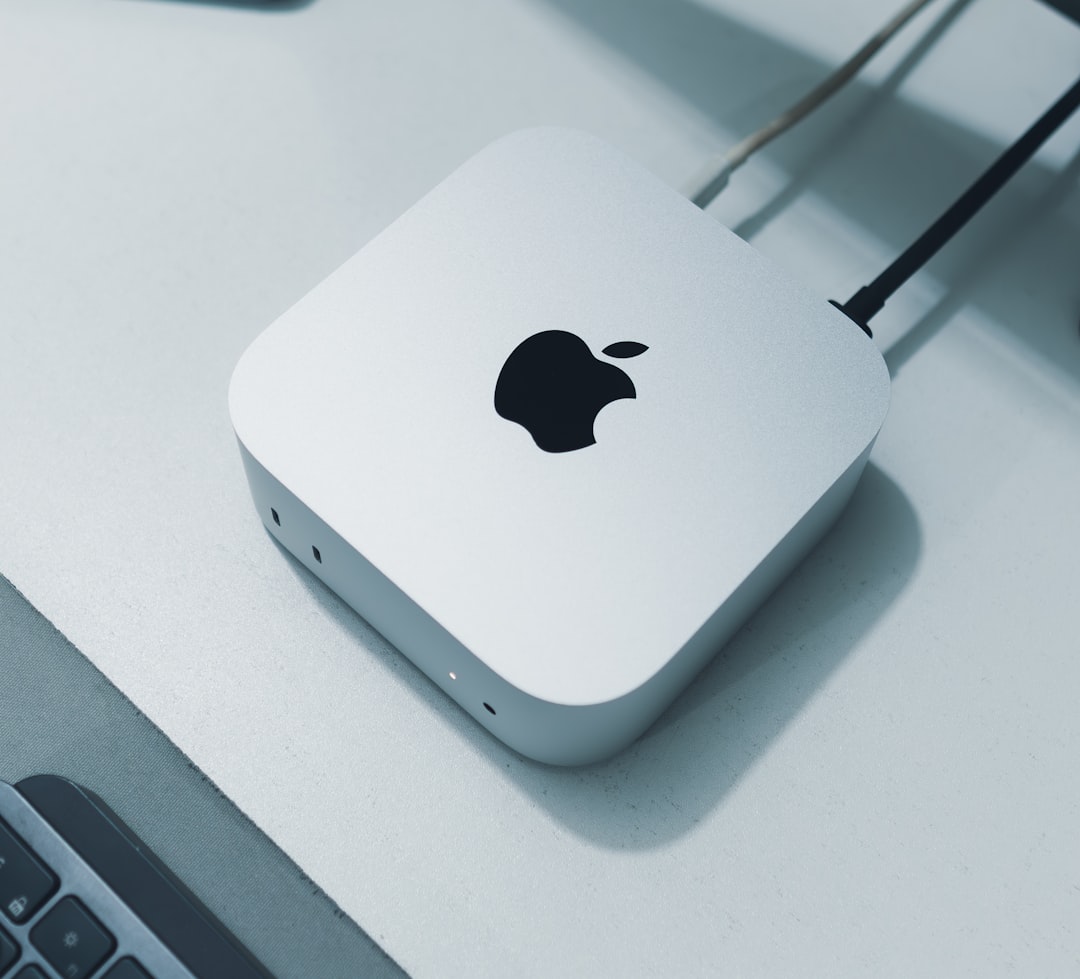
من المتوقع أن تصل رقاقة M7 في النصف الأول من عام 2027، حاملة معها ترقيات كبيرة للمحرك العصبي، واعدة بقوة معالجة وكفاءة أكبر للذكاء الاصطناعي. علاوة على ذلك، من المتوقع أن تكون رقاقة M7 Ultra، وهي نسخة أكثر قوة، بمثابة البنية التأسيسية لمنتج خادم جديد تماماً من آبل. يُتوقع أن تتمتع هذه الرقاقة المخصصة للخوادم بقدرة استثنائية، تدعم ما يصل إلى 1.5 تيرابايت من ذاكرة الوصول العشوائي (RAM)، مما يشير إلى نية آبل لتوسيع هيمنتها على الأجهزة إلى قطاعات الحوسبة عالية الأداء ومراكز البيانات، مستفيدة من تقنية رقائق الذكاء الاصطناعي المطورة داخلياً.