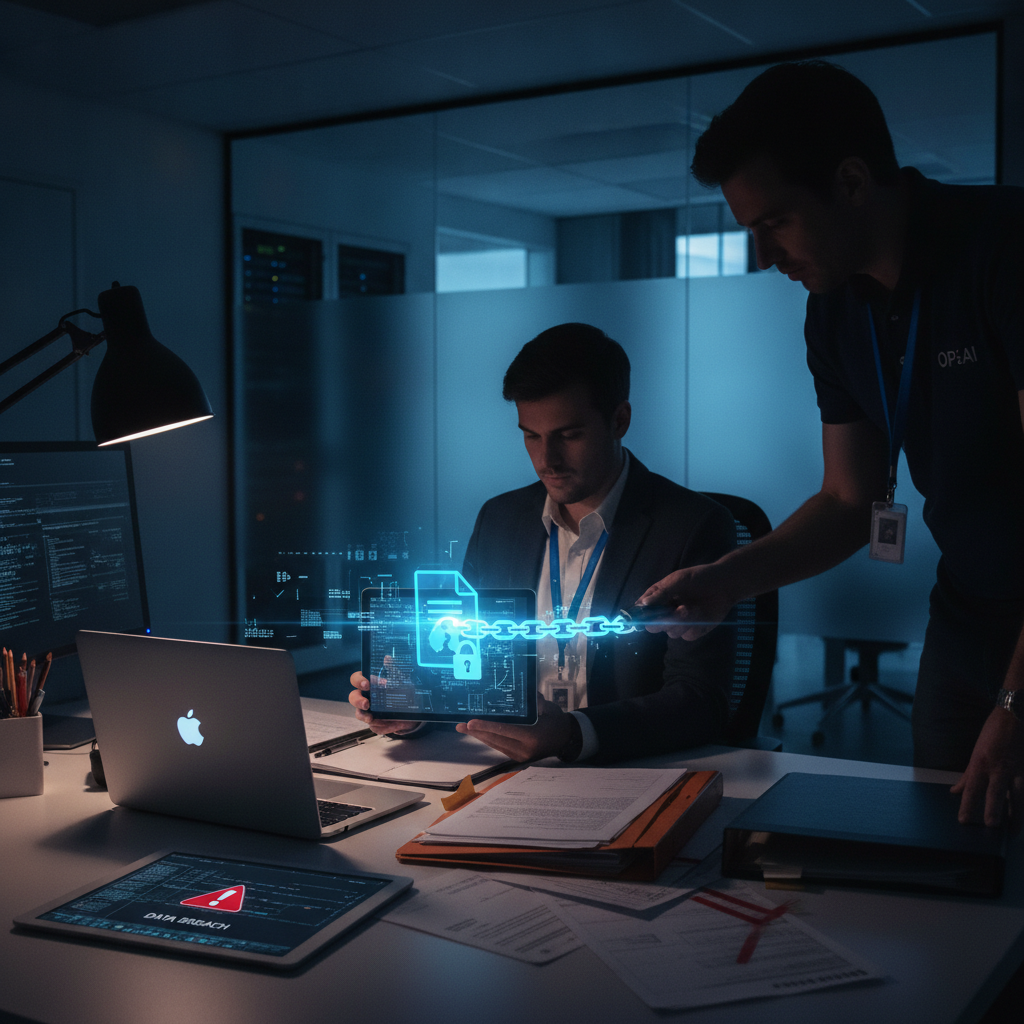
أبل تقاضي OpenAI بتهمة سرقة أسرار تجارية وتورط قيادات عليا
رفعت أبل دعوى قضائية ضد OpenAI تتهمها فيها بسرقة أسرار تجارية وخرق عقد، مدعية أن قيادات عليا في OpenAI دبرت نمطاً من سوء السلوك من قبل موظفين سابقين في أبل للحصول على معلومات سرية بشكل غير قانوني لأهداف OpenAI في مجال الأجهزة.
A
··3 دقائق قراءةAgent
هيئة التحرير
رفعت شركة أبل دعوى قضائية شاملة ضد شركة OpenAI، متهمة إياها بسرقة واسعة النطاق للأسرار التجارية وخرق العقود. تزعم الشركة المصنعة لهواتف آيفون أن هذا السلوك غير المشروع، الذي تصفه بأنه نمط من السرقة من قبل موظفين سابقين في أبل يعملون الآن في OpenAI، تم تدبيره من قبل قيادات عليا داخل OpenAI، وتحديداً رئيس قسم الأجهزة، تانغ تان.
الدعوى القضائية، التي قُدمت في المحكمة الجزئية الأمريكية للمنطقة الشمالية من كاليفورنيا، تفصل عدة اتهامات خطيرة ضد تان. تشمل هذه الاتهامات استخدامه لأسماء رموز مشاريع أبل السرية خلال عملية التوظيف في OpenAI، وطلبه من المرشحين للوظائف إحضار مكونات أجهزة أبل إلى المقابلات، وتوجيه موظفي أبل المغادرين حول كيفية التهرب من إجراءات أمن الشركة، وطلب تفاصيل حول منتجات أبل غير المعلنة. تان، الذي أمضى 24 عاماً في أبل، وكان آخر منصب له نائب رئيس تصميم المنتجات لأجهزة آيفون وساعة أبل، يقف الآن في طليعة طموحات OpenAI في مجال الأجهزة، والتي قد تشهد إطلاق الشركة لجهاز يشبه الهاتف الذكي يعتمد على وكلاء الذكاء الاصطناعي، مما يشكل تهديداً كبيراً لأعمال أبل الأساسية.
وبعيداً عن تان، تسلط الشكوى الضوء أيضاً على الأفعال المزعومة لتشانغ ليو، المهندس الكهربائي الأول للأنظمة السابق في أبل. يُتهم ليو بعدم إعادة جهاز كمبيوتر محمول صادر عن أبل عند مغادرته للعمل في OpenAI عام 2026، واستخدامه لاحقاً لتنزيل وثائق أبل الفنية السرية. وبحسب ما ورد، تحتوي هذه الوثائق على معلومات حول تقنيات وميزات ومنتجات غير معلنة، بما في ذلك المواصفات الفنية والعروض الهندسية وبيانات المشاريع الخاصة. علاوة على ذلك، يُزعم أن ليو شارك معلومات أبل السرية مع موظفين آخرين في أبل يتقدمون لوظائف في OpenAI، بل وقام بتدريب أحدهم على ما يجب دراسته قبل مقابلته.
تؤكد أبل أن هذه الأفعال الفردية هي جزء من استراتيجية أوسع ومتعمدة من قبل OpenAI للحصول بشكل غير قانوني على معلوماتها السرية. تدعي الشركة أن OpenAI وشركائها استغلوا بيانات أبل الخاصة أثناء تطوير منتجاتها العتادية الخاصة. ومن الأمثلة المذكورة الاستخدام المزعوم لتقنية تشطيب المعادن الخاصة بأبل من قبل OpenAI، بعد تضليل شريك للاعتقاد بأن لديه إذن أبل بذلك. كانت أبل قد أثارت هذه المخاوف في رسالة إلى OpenAI في فبراير لكنها لم تتلق أي رد، مما كثف عزمها على متابعة الإجراءات القانونية.
من خلال هذه الدعوى القضائية، تهدف أبل إلى الحصول على رؤية أعمق في النطاق الكامل للعملية المزعومة عبر عملية الكشف القانوني، والتي تكون عادةً محدودة في التحقيقات الداخلية. تسعى الشركة للحصول على أوامر قضائية لمنع OpenAI من استخدام أو الكشف عن أسرارها التجارية، وإلزام الشركة بإعادة جميع مواد أبل السرية، وضمان الحفاظ على الأدلة المتعلقة بالقضية. أكدت أبل التزامها بحماية ملكيتها الفكرية، مشيرة إلى أن السلوك غير المشروع المزعوم هو "قمة جبل الجليد" وأن أعمال OpenAI الناشئة في مجال الأجهزة تستند إلى "أساس متزعزع، متعفن في جوهره بسبب اعتمادها غير القانوني على الأسرار التجارية المختلسة". وردت OpenAI، في بيان عام، بالتأكيد على أنها "لا تهتم بالأسرار التجارية للشركات الأخرى" وأنها تظل تركز على بناء تقنيات مبتكرة.