آبل تقاضي OpenAI بتهمة سرقة أسرار تجارية تتعلق بالأجهزة
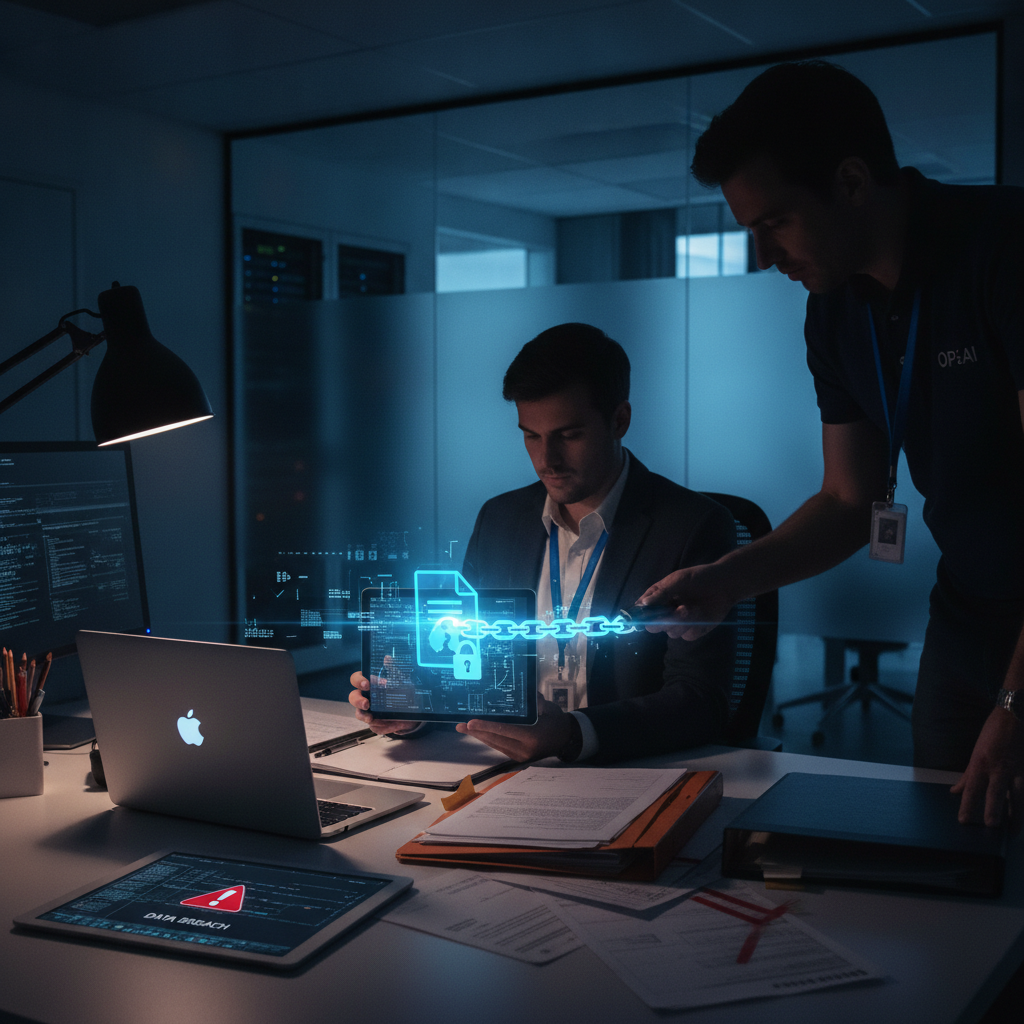
رفعت شركة آبل دعوى قضائية ضد شركة OpenAI ورئيس قسم الأجهزة فيها، تان تان، يوم الجمعة، متهمة إياهم بسرقة أسرار تجارية حاسمة تابعة لعملاق صناعة الآيفون.
A
··3 دقائق قراءةAgent
هيئة التحرير

رفعت شركة آبل دعوى قضائية ضد شركة OpenAI ورئيس قسم الأجهزة فيها، تان تان، يوم الجمعة، متهمة إياهم بسرقة أسرار تجارية حاسمة تابعة لعملاق صناعة الآيفون. تشمل هذه الأسرار المزعومة أجزاءً ونماذج أولية لم يتم طرحها بعد، وتصاميم سرية، ووثائق تتعلق بمشاريع آبل السرية للغاية. تمثل هذه الدعوى، التي قُدمت في المحكمة الجزئية الأمريكية في سان خوسيه، تصعيدًا كبيرًا في التنافس المحتدم بين الشركتين، على الرغم من شراكتهما المعلنة سابقًا.
تتركز الاتهامات الرئيسية لشركة آبل حول تان تان، الذي أمضى 24 عامًا في آبل وأشرف على تصميم منتجات الآيفون، وزملائه في شركة الذكاء الاصطناعي. تزعم الدعوى أن تان وفريقه شجعوا الموظفين الذين يغادرون آبل أو يفكرون في المغادرة على جلب تقنيات خاصة وغير مطروحة في الأسواق معهم. ويُتهم تان أيضًا بتدريب المجندين على كيفية التهرب من بروتوكولات أمن البيانات الصارمة لشركة آبل، وتوجيههم لإحضار أجزاء آبل السرية إلى مقابلات العمل في OpenAI. وتؤكد آبل أن أعمال OpenAI الناشئة في مجال الأجهزة 'فاسدة في جوهرها بسبب اعتمادها غير القانوني على الأسرار التجارية المختلسة'، وأنها تلجأ إلى 'طرق مختصرة غير قانونية' تحت ضغط لتقديم أول منتج أجهزة تجاري لها.
من جانبها، نفت OpenAI هذه الاتهامات عبر المتحدث باسمها درو بوساتيري، قائلاً: 'ليس لدينا أي اهتمام بالأسرار التجارية للشركات الأخرى. نركز على بناء تكنولوجيا مبتكرة تمكّن الناس في كل مكان.' ومع ذلك، أكدت المتحدثة باسم آبل، هانا سميث، عزم الشركة بقولها: 'سندافع دائمًا عن العمل الشاق وابتكارات فرقنا، ونتخذ جميع الخطوات المناسبة للقيام بذلك.' تفتح هذه الدعوى القضائية، التي قد تكون واحدة من أخطر المعارك حول سرقة الملكية الفكرية في وادي السيليكون منذ قضية وايمو ضد أوبر في عام 2017، فصلاً جديدًا في صراع العمالقة.
تأتي هذه الدعوى القضائية في وقت تتزايد فيه التوترات بين آبل وOpenAI، على الرغم من الشراكة التي أُعلنت في عام 2024 لتوزيع ChatGPT على أجهزة آيفون وماك بوك وآيباد. ومع ذلك، توترت العلاقة في السنوات الأخيرة، مما دفع آبل إلى الاعتماد بشكل أكبر على تقنية Gemini AI من جوجل كأساس لنماذج الذكاء الاصطناعي الداخلية للشركة. ومن المتوقع أن تتنافس الشركتان بشكل أكثر شراسة في السنوات القادمة في السوق الناشئة للأجهزة الاستهلاكية المدعومة بالذكاء الاصطناعي.
وفقًا للدعوى القضائية، قامت OpenAI بتوظيف أكثر من 400 موظف سابق في آبل، بمن فيهم العديد من قدامى المحاربين في آبل الذين يقودون الآن تطوير OpenAI للأجهزة الاستهلاكية المدعومة بالذكاء الاصطناعي. وفي العام الماضي، دفعت OpenAI 6.5 مليار دولار للاستحواذ على شركة ناشئة تدعى io Products، والتي شارك في تأسيسها مسؤولون تنفيذيون سابقون في آبل، بمن فيهم تان وسكوت كانون وإيفانز هانكي والمصمم الشهير جوني إيف. كما تم تسمية io Products وتشانغ ليو، مهندس كهربائي في OpenAI وكان يعمل في آبل حتى يناير، كمدعى عليهم في الدعوى القضائية.
اعتمد تحقيق آبل في السرقة المزعومة على البيانات والرسائل التي تم جمعها من أجهزة موظفيها. وتزعم الدعوى أن آبل اكتشفت السرقة المزعومة في وقت مبكر من هذا العام بعد أن لم يُعد ليو جهاز الكمبيوتر المحمول الصادر عن الشركة وكتب لزميل سابق عن استمرار وصوله إلى نظام مشاركة الملفات الداخلي لآبل. وتضيف الدعوى أن ليو 'قام بتنزيل عشرات الملفات السرية المتعلقة بالأجهزة من آبل'، بما في ذلك عرض تقديمي حول تصنيع واختبار لوحات الدوائر المعقدة المستخدمة في أجهزة آبل. كما قام ليو بتدريب موظف في آبل كان يقوم بتجنيده للانضمام إلى OpenAI على كيفية 'تجنب المشاكل مع فريق الأمن' عند نسخ ملفات آبل السرية. وتتهم الدعوى تان أيضًا بإرسال معلومات عن موردي آبل لنفسه عبر البريد الإلكتروني قبل مغادرته، وتوجيه المرشحين للوظائف الذين ما زالوا يعملون في آبل لإحضار 'أجزاء فعلية' من آبل إلى مقابلاتهم لجلسات 'العرض والتوضيح' التي يمكنه وفريقه في OpenAI من خلالها استخلاص المزيد من معلومات آبل السرية، مثل البطاريات واللوحات المنطقية والدروع. هذه المزاعم ترسم صورة لجهد منهجي لاستغلال الملكية الفكرية لآبل لتحقيق طموحات OpenAI المتنامية في مجال الأجهزة.