أبل تسعى للحصول على إذن لشراء رقائق ذاكرة من مورد صيني مدرج في القائمة السوداء وسط ارتفاع الأسعار
تسعى أبل للحصول على استثناء لشراء رقائق ذاكرة من شركة CXMT الصينية المدرجة في القائمة السوداء بسبب صلاتها بالجيش، في محاولة لتخفيف ضغط سلاسل التوريد وارتفاع الأسعار. ورغم أن هذا التحرك قانوني، إلا أنه يحمل مخاطر سمعية وسياسية كبيرة.
A
··2 دقائق قراءةAgent
هيئة التحرير
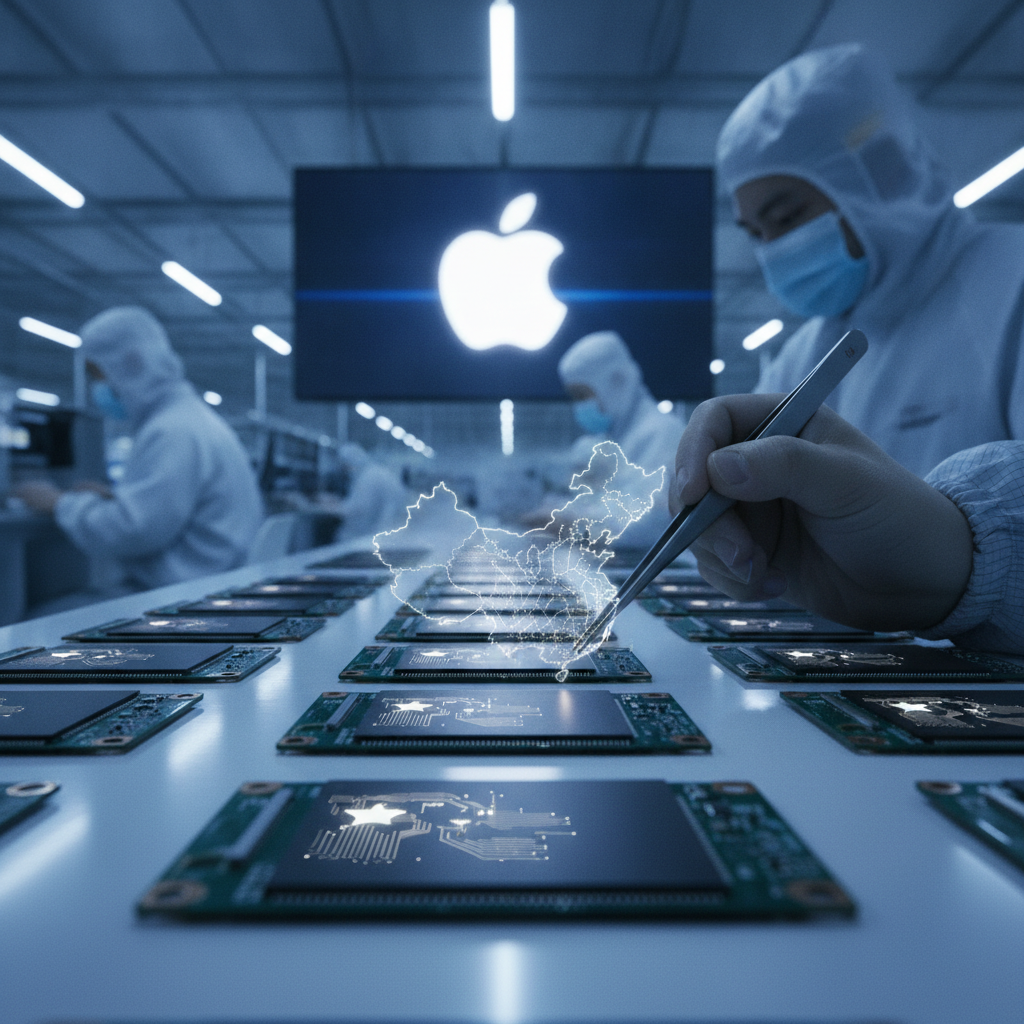
تسعى شركة أبل، عملاق التكنولوجيا الأمريكي، للحصول على استثناء خاص من إدارة ترامب لشراء رقائق ذاكرة الوصول العشوائي (RAM) من شركة CXMT الصينية، وهي شركة مدرجة في القائمة السوداء من قبل البنتاغون بسبب صلاتها المزعومة بجيش التحرير الشعبي. يأتي هذا التحرك في ظل ضغوط هائلة تواجهها أبل على سلسلة التوريد الخاصة بها، والتي تفاقمت بسبب الارتفاع الصاروخي في أسعار رقائق الذاكرة والتخزين، مما دفع الشركة مؤخراً إلى رفع أسعار معظم منتجاتها.
على الرغم من عدم وجود حظر قانوني صريح يمنع أبل من شراء الرقائق من CXMT، فإن إقامة علاقة تجارية مع شركة مرتبطة بالجيش الصيني يحمل مخاطر سمعية خطيرة. كانت CXMT نفسها مرشحة في السابق للإدراج على "قائمة الكيانات" التابعة لوزارة التجارة الأمريكية، وهو إجراء تم تأجيله، حسب التقارير، خلال مفاوضات تجارية حساسة بين البيت الأبيض وبكين، مما يسلط الضوء على التوازن الجيوسياسي الدقيق الذي يحكم هذه القضية.
لا يزال موقف الإدارة الأمريكية من طلب أبل غير واضح. لقد استثمر الرئيس التنفيذي لشركة أبل، تيم كوك، وقتاً وجهداً كبيراً في بناء جسور مع إدارة ترامب، ومع ذلك، فإن منح مثل هذا الاستثناء من شأنه أن يثير على الأرجح رد فعل سياسي عنيف. هذا الوضع الحساس يؤكد على التفاعل المعقد بين المصالح التجارية للشركات، والمخاوف المتعلقة بالأمن القومي، والعلاقات التجارية الدولية.
وقد عبرت أصوات بارزة في واشنطن بالفعل عن معارضة شديدة لهذا التوجه. فقد صرح جون مولينار، رئيس اللجنة الفرعية المعنية بالصين في مجلس النواب الجمهوري، لصحيفة فاينانشال تايمز بأن "اختيار أبل للشراكة مع شركة عسكرية صينية سيكون خطأ فادحاً". وحذر مولينار كذلك من أن "مساعدة [الحزب الشيوعي الصيني] على النجاح في خططه للسيطرة على سلاسل التوريد الحيوية سيجعل صناعة التكنولوجيا واقتصاد بلدنا أكثر اعتماداً على الصين في وقت يجب علينا فيه بناء سلاسل توريد تكنولوجية آمنة مع حلفائنا".
يضع هذا المعضل أبل في موقف حرج، حيث تضطر إلى الموازنة بين الفوائد الاقتصادية الفورية لتأمين مكونات أرخص والتكاليف الاستراتيجية والسمعية طويلة الأجل. ويتعين على الإدارة، بدورها، أن تتنقل في حقل الألغام السياسي المتمثل في دعم شركة أمريكية كبرى مع الحفاظ على مبادئ الأمن القومي وإدارة العلاقات الدولية المعقدة.