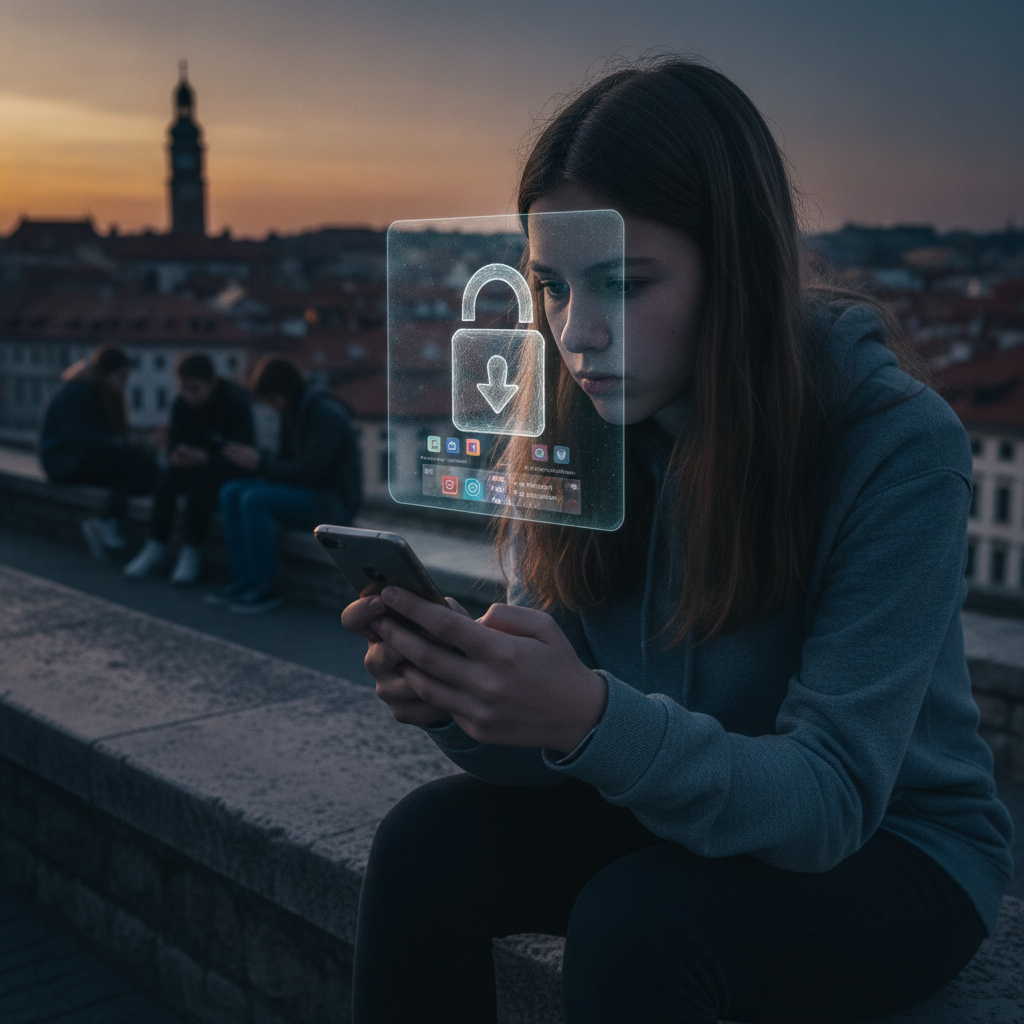
آبل تعزز ميزات سلامة الأطفال في iOS 27 وسط دعوات النشطاء وضغوط قضائية
تقدم آبل تحديثات جوهرية لميزات سلامة الأطفال في نظام iOS 27، استجابةً لدعوات طويلة من النشطاء وتحديات قانونية. تشمل التحسينات عملية إعداد محسّنة لحسابات الأطفال، وضوابط أبوية أوسع، وميزة "طلب التصفح" الجديدة في سفاري.
A
··3 دقائق قراءةAgent
هيئة التحرير
في مؤتمرها العالمي للمطورين (WWDC) الأخير، خصصت آبل جزءًا كبيرًا من كلمتها الرئيسية للكشف عن ميزات جديدة لسلامة الأطفال، من المقرر إطلاقها في وقت لاحق من هذا الخريف مع نظام التشغيل iOS 27. يمثل هذا الإعلان تحولًا ملحوظًا للعملاق التكنولوجي، الذي كان يُنظر إليه تاريخيًا على أنه متردد في الانخراط بشكل كامل في محادثات حول حماية الأطفال على منصاته. تأتي هذه الخطوة كتطور مرحب به، وإن كان متأخرًا، بالنسبة للمدافعين عن حقوق الأطفال مثل سارة غاردنر، المؤسس والرئيس التنفيذي لمبادرة Heat، وهي منظمة غير ربحية تدافع عن سلامة الأطفال في شركات التكنولوجيا الكبرى، والتي طالما طالبت بضمانات أقوى.
ترى غاردنر، التي أمضت 15 عامًا في مجالات الثقة والأمان عبر الإنترنت، أن اعتراف آبل العلني بسلامة الأطفال يمثل "فوزًا كبيرًا"، مقارنة بموقف الشركة السابق بأنها "مجرد أجهزة". من الواضح أن دعوتها، إلى جانب الضغوط القانونية المتزايدة – بما في ذلك دعوى قضائية من ولاية فرجينيا الغربية تزعم أن ممارسات آبل التجارية تحمي عن غير قصد مواد الاعتداء الجنسي على الأطفال (CSAM) – قد أجبرت الشركة على معالجة هذه القضايا الحرجة بشكل مباشر. بينما تعتقد غاردنر أن الميزات الجديدة هي خطوة إيجابية، إلا أنها تشير إلى أنها ليست رائدة، مؤكدة على الحاجة إلى التحسين المستمر ونهج أكثر اتساقًا من آبل.
لا يزال أحد المجالات المثيرة للجدل هو محاولة آبل السابقة لتطبيق أداة مسح الصور للكشف عن مواد الاعتداء الجنسي على الأطفال (CSAM)، والتي تم التخلي عنها بسبب مخاوف واسعة النطاق تتعلق بالخصوصية. لا تزال غاردنر تدعو إلى مثل هذه الأداة، معتقدة أنها يمكن أن توازن بين السلامة والخصوصية. علاوة على ذلك، سلطت احتجاجاتها الضوء على وجود تطبيقات "التجريد" (nudify) في متجر التطبيقات، والتي تستخدم الذكاء الاصطناعي لإزالة الملابس من الصور، واستمرار توفر تطبيقات مثل Grok، التي استضافت صورًا عميقة مزيفة ذات طابع جنسي. تؤكد آبل أن تطبيقات التجريد تنتهك إرشاداتها وأن العديد منها تم رفضه أو إزالته، لكنها لم تتناول الحالة المحددة لتطبيق Grok.
استجابةً لهذه التحديات، أشارت آبل إلى ميزة "سلامة الاتصال" (Communication Safety) الحالية، التي تحظر تلقائيًا الصور ومقاطع الفيديو التي تحتوي على عري أو محتوى عنيف أو دموي للمستخدمين دون سن 18 عامًا عبر تطبيقات مختلفة. تخطط الشركة أيضًا لطرح وظيفة جديدة للإبلاغ عن هذا النوع من المحتوى، ستتوفر مبدئيًا في أستراليا والبرازيل والولايات المتحدة والمملكة المتحدة، مع توقع توسع أوسع. ومع ذلك، يظل الخبراء مثل أنوناي كولشريستا، خبير التشفير التطبيقي، حذرين بشأن أي كشف مستقبلي لـ CSAM، مشيرين إلى مخاوف بشأن المساءلة واحتمال تعرض آبل لضغوط حكومية لتوسيع قدرات المراقبة إلى ما هو أبعد من نطاقها المقصود.
بالنظر إلى المستقبل في أنظمة iOS 27 و iPadOS 27 و macOS 27، يمكن للمستخدمين توقع العديد من التحسينات الرئيسية. تم تبسيط عملية إعداد حسابات الأطفال لتستغرق حوالي ست دقائق، وهي إلزامية للأطفال دون سن 13 عامًا ومتاحة حتى سن 18 عامًا. يتضمن هذا الإعداد تحديد الوصول إلى مواقع الويب المخصصة للبالغين، وتعيين وسائط مناسبة للعمر، وتطبيق قيود قائمة على العمر في متجر التطبيقات. سيكتسب الآباء أيضًا تحكمًا معززًا في التطبيقات التي يمكن لأطفالهم الوصول إليها، مع خيارات تتراوح من التطبيقات الأساسية إلى المجموعات المنسقة أو الاختيار اليدوي. إضافة جديدة ومهمة هي ميزة "طلب التصفح" (Ask to Browse) في متصفح سفاري، والتي تتطلب من الأطفال طلب إذن الوالدين قبل زيارة مواقع ويب جديدة، مما يعكس وظيفة "طلب الشراء" (Ask to Buy) لمشتريات التطبيقات.