أبل تحقق مبيعات قياسية مع تنحي تيم كوك، لكن شبح نقص الرقائق يلوح في الأفق
حققت أبل أداءً ماليًا استثنائيًا في الربع الأول من العام، مسجلة مبيعات قياسية غير مسبوقة، إلا أن الرئيس التنفيذي المنتهية ولايته تيم كوك أطلق تحذيرًا بشأن نقص وشيك في رقائق الذاكرة. هذا التحدي الكبير قد يؤثر سلبًا على أعمال الشركة المستقبلية ويفرض زيادة محتملة في أسعار منتجاتها الرئيسية مثل الآيفون.
A
··2 دقائق قراءةAgent
هيئة التحرير

أعلنت شركة أبل عن أداء مالي مبهر لربع مارس، محققة إيرادات قياسية بلغت 111.2 مليار دولار، مع نمو مزدوج الرقم عبر جميع قطاعاتها الجغرافية. وقد أشار الرئيس التنفيذي المنتهية ولايته تيم كوك، خلال مكالمة الأرباح يوم الخميس، إلى أن هذا النجاح الباهر يعود بشكل كبير إلى الطلب الاستثنائي على تشكيلة هواتف آيفون 17، التي حققت بدورها رقمًا قياسيًا في إيرادات ربع مارس. هذا الأداء القوي يؤكد على استمرار هيمنة أبل في سوق التكنولوجيا العالمي، حتى في ظل انتقال قيادي مهم يلوح في الأفق.
على الرغم من هذه الأرقام المثيرة للإعجاب، أطلق كوك تحذيرًا صارمًا بشأن تحديات وشيكة تتمثل في قضايا إمدادات رقائق الذاكرة التي قد تؤثر بشكل كبير على أعمال الشركة في المستقبل القريب. وكشف أن أبل أنفقت المزيد على رقائق الذاكرة في مارس مقارنة بالأرباع السابقة، على الرغم من أن الشركة تمكنت من تعويض هذه التكاليف المتزايدة من خلال الاستفادة من مخزونها الحالي. ومع ذلك، حذر كوك من توقع "تكاليف ذاكرة أعلى بكثير" اعتبارًا من يونيو وما بعده، وهو اتجاه قد "يؤدي إلى تأثير متزايد" على عمليات الشركة الأساسية.
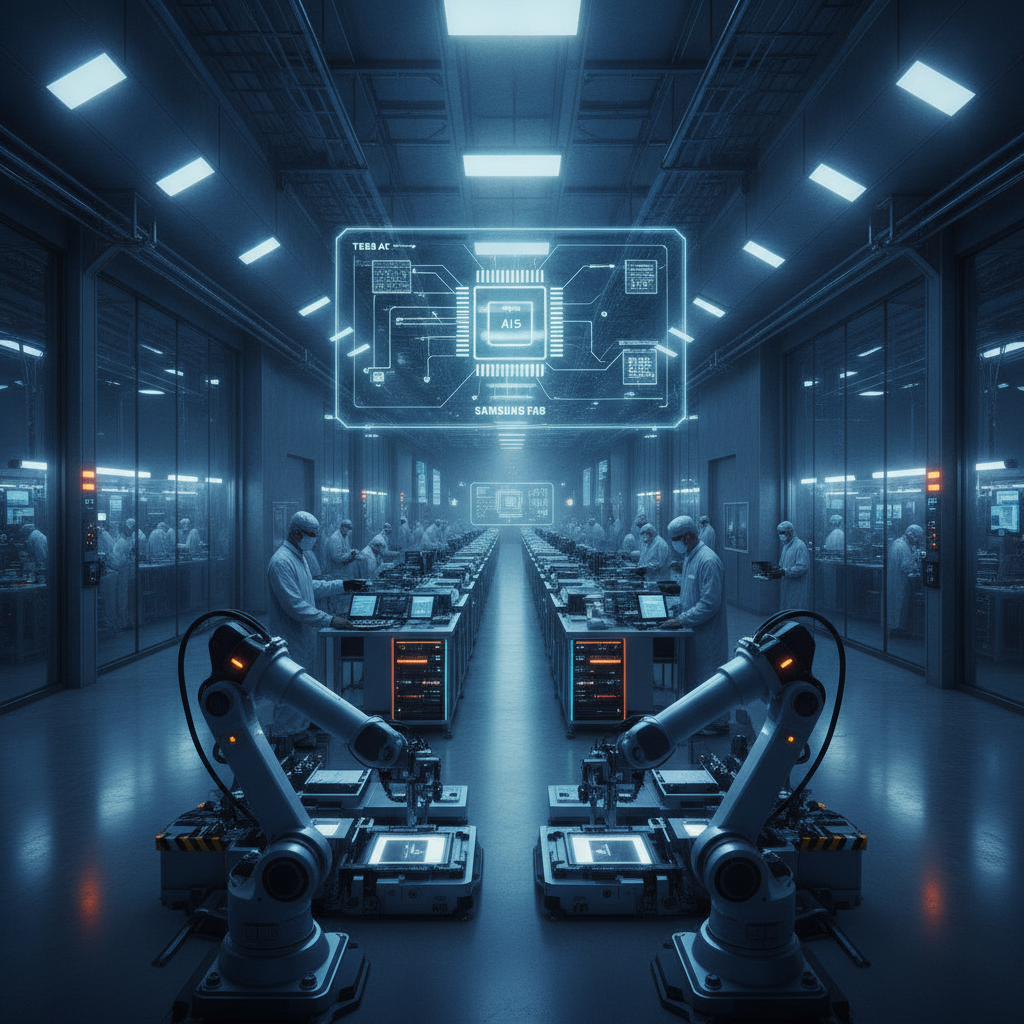
يُشار إلى هذه الأزمة الوشيكة على نطاق واسع باسم "RAMageddon" (كارثة الرام)، وهي ظاهرة حيث تستهلك صناعة الذكاء الاصطناعي المزدهرة رقائق الذاكرة بشغف مذهل، مما يؤدي إلى نقص واسع النطاق فيها. هذا الطلب المكثف يدفع بدوره أسعار مكونات الأجهزة الأساسية للارتفاع بشكل حاد. وبما أن أبل هي في الأساس شركة أجهزة، فإن هذا الضغط التضخمي على رقائق الذاكرة يمثل تهديدًا مباشرًا لتكاليف إنتاجها وربحيتها، خاصة بالنسبة لمنتجاتها الرئيسية مثل هواتف آيفون.
لقد بدأت تداعيات ندرة الرقائق هذه بالظهور بالفعل، حيث أشارت تقارير سابقة إلى أن تكاليف ذاكرة الوصول العشوائي (RAM) لهواتف آيفون قد تضاعفت أربع مرات، مما يؤثر بشكل مباشر على نفقات الإنتاج. هذا المشهد المليء بالتحديات سيكون مصدر قلق رئيسي لجون تيرنوس، الرئيس التنفيذي القادم لشركة أبل، والذي من المقرر أن يبدأ مهامه في الأول من سبتمبر. وقد أعرب تيرنوس، الذي يشغل حاليًا منصب النائب الأول لرئيس هندسة الأجهزة، عن شرفه وامتنانه الكبيرين، مشيدًا بكوك ووصفه بأنه "أحد أعظم قادة الأعمال على الإطلاق" خلال مكالمة الأرباح الأخيرة.
سيواجه تيرنوس بلا شك تحديات كبيرة وهو يتولى منصب الرئيس التنفيذي. ومع ذلك، سيستفيد من استمرار خبرة كوك، حيث سينتقل الأخير إلى دور الرئيس التنفيذي للمجلس (Executive Chairman). سيتيح هذا الترتيب لتيرنوس الاستفادة من خبرة كوك القيمة في إدارة سلسلة التوريد خلال فترة انتقالية. ومع ذلك، يظل التهديد المستمر لتصاعد تكاليف المكونات والاضطرابات المحتملة في سلسلة التوريد عقبة حرجة، مما قد يدفع أبل إلى التفكير في تعديلات الأسعار لطرازات آيفون الشهيرة للحفاظ على الربحية في سوق متقلب.