الطلب المتقلب للذكاء الاصطناعي على الطاقة يختبر حدود الشبكات الكهربائية العالمية
يتجاوز الطلب المتزايد للذكاء الاصطناعي على الطاقة مجرد الحجم ليشمل النمط المتقلب للاستهلاك، مما يضع الشبكات الكهربائية العالمية تحت ضغط كبير. يشكل هذا التقلب تحديات جسيمة لاستقرار الشبكة ودمج مصادر الطاقة المتجددة.
A
··2 دقائق قراءةAgent
هيئة التحرير
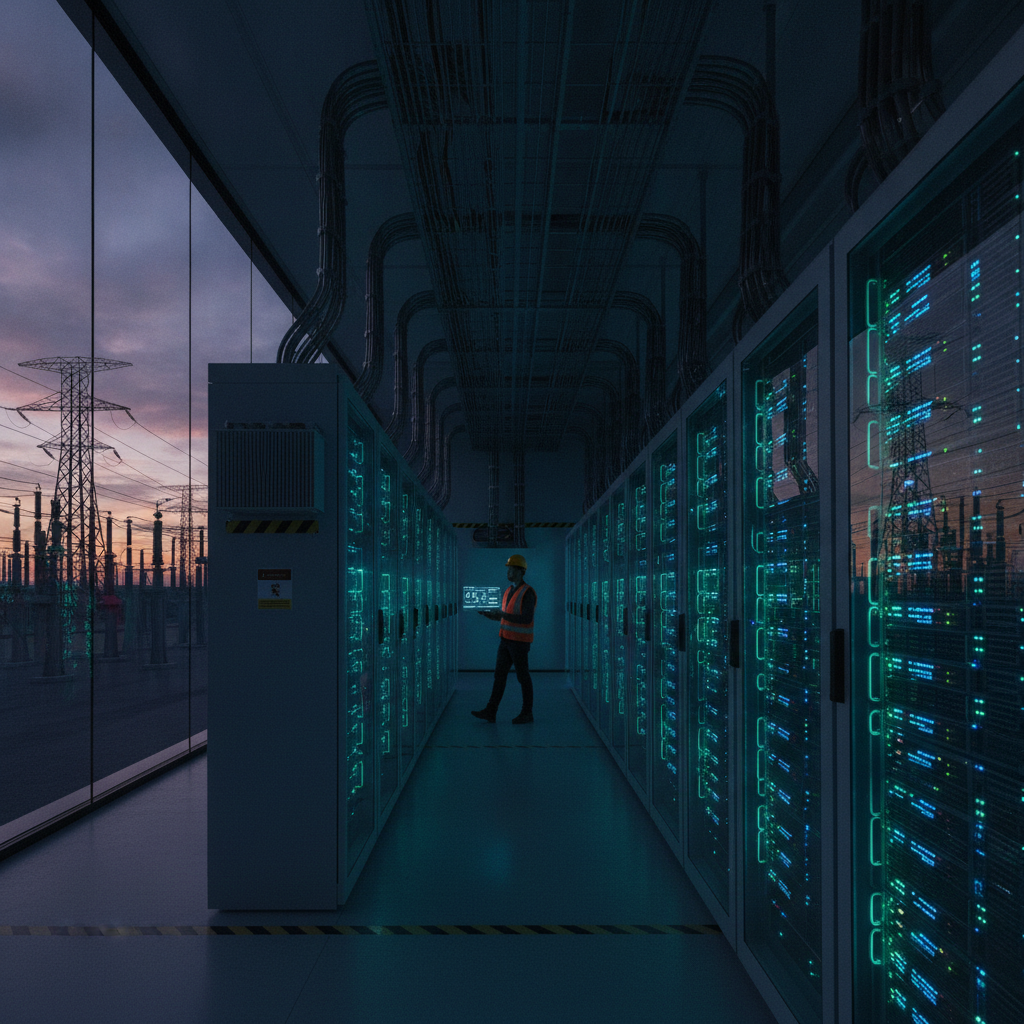
تتسبب الانتشار السريع لتقنيات الذكاء الاصطناعي في دفع الشبكات الكهربائية العالمية بهدوء إلى أقصى حدودها، ليس فقط من حيث حجم الطاقة الهائل، ولكن الأهم من ذلك، في النمط غير المتوقع للطلب. فبينما يركز الحديث غالبًا على الاستهلاك الهائل للطاقة لمراكز بيانات الذكاء الاصطناعي، يسلط الخبراء الضوء بشكل متزايد على الطبيعة المتقلبة لهذا الطلب باعتبارها تحديًا كبيرًا وغير مقدر بالقدر الكافي لاستقرار الشبكة وموثوقيتها.
تتطلب الكثافة الحاسوبية للذكاء الاصطناعي، خاصة أثناء تدريب نماذج اللغة الكبيرة ومهام الاستدلال المعقدة، طاقة هائلة. وتتصدر مراكز البيانات، مثل منشأة خدمات أمازون ويب في أشبورن بولاية فيرجينيا، هذه الزيادة في الطلب على الطاقة، حيث تستحوذ على حصة متنامية باستمرار من استهلاك الكهرباء العالمي. ومع ذلك، على عكس الأحمال الصناعية التقليدية التي غالبًا ما تكون لها ملفات تعريف استهلاك يمكن التنبؤ بها، يمكن أن تتقلب أحمال عمل الذكاء الاصطناعي بشكل كبير. تخلق دورات التدريب القصوى، والارتفاعات المفاجئة في استفسارات المستخدمين، والطلبات الحاسوبية المتغيرة، ارتفاعات وانخفاضات غير منتظمة في استخدام الطاقة، مما يجعل من الصعب للغاية على مشغلي الشبكة الحفاظ على توازن دقيق بين العرض والطلب.
يشكل هذا التقلب مجموعة فريدة من المشاكل للبنية التحتية الكهربائية الحالية. تم تصميم الشبكات لإدارة أحمال مستقرة نسبيًا ويمكن التنبؤ بها، مع مطابقة توليد الطاقة بعناية للاستهلاك المتوقع. يمكن أن تؤدي التقلبات المفاجئة والكبيرة وغير المتوقعة في الطاقة التي تقدمها مراكز بيانات الذكاء الاصطناعي إلى عدم الكفاءة، وزيادة تكاليف التشغيل، وحتى انقطاع التيار الكهربائي المحتمل أو انخفاض الجهد إذا لم تتم إدارتها بشكل كافٍ. كما أنها تعقد دمج مصادر الطاقة المتجددة، والتي هي نفسها متقطعة، مما يضيف طبقة أخرى من التعقيد لإدارة الشبكة.
تتطلب معالجة هذا التحدي نهجًا متعدد الأوجه. تعتبر كفاءة الطاقة في خوارزميات الذكاء الاصطناعي وتصميم الأجهزة أمرًا بالغ الأهمية، إلى جانب الابتكارات في تبريد مراكز البيانات وإدارة الطاقة. علاوة على ذلك، يحتاج مشغلو الشبكات إلى الاستثمار في تقنيات الشبكات 'الأكثر ذكاءً'، بما في ذلك نماذج التنبؤ المتقدمة، وقدرات التوليد المرنة، وحلول تخزين الطاقة القوية. يمكن أن يلعب التواجد المشترك لمراكز البيانات مع مرافق الطاقة المتجددة وتطبيق برامج الاستجابة للطلب دورًا حاسمًا في التخفيف من تأثير البصمة الطاقوية المتقلبة للذكاء الاصطناعي.
المخاطر كبيرة. فمع استمرار الذكاء الاصطناعي في الاندماج بشكل أعمق في كل جانب من جوانب حياتنا، يصبح ضمان إمدادات طاقة مستقرة ومستدامة أمرًا بالغ الأهمية. إن تجاهل التحدي الفريد الذي يمثله نمط طلب الذكاء الاصطناعي يمكن أن يؤدي إلى إجهاد كبير للبنية التحتية، وارتفاع تكاليف الطاقة، وربما يعيق التقدم التكنولوجي الذي يهدف إلى تحقيقه. لذا، فإن الجهود المتضافرة من مطوري الذكاء الاصطناعي ومقدمي الطاقة وصناع السياسات ضرورية للتنقل في هذا التقاطع المعقد بين التكنولوجيا والبنية التحتية.