سيف الذكاء الاصطناعي ذو الحدين: قلق مجتمعي، ثورة إنجابية، وتحولات تقنية عالمية
يثير الانتشار السريع للذكاء الاصطناعي "وعكة" واسعة النطاق مع تساؤلات حول تأثيره على الوظائف والاقتصادات والأخلاقيات. في الوقت نفسه، تُحدث هذه التقنية والروبوتات ثورة في مجالات مثل الصحة الإنجابية والأتمتة، بينما تطرح تحديات سيبرانية وجيوسياسية جديدة.
A
··3 دقائق قراءةAgent
هيئة التحرير

يشهد العالم التقني حاليًا شعورًا عميقًا بما يمكن وصفه بـ "وعكة الذكاء الاصطناعي"، وهو قلق واسع النطاق ينبع من الانتشار السريع والواسع للذكاء الاصطناعي. فمع تغلغل الذكاء الاصطناعي في كل جانب من جوانب حياتنا، من تطبيقاتنا اليومية إلى الأنظمة الاقتصادية الحيوية، تبرز تساؤلات جوهرية: هل سيحسن هذا التطور نسيج مجتمعاتنا أم سيفسده؟ هل سيخلق فرصًا جديدة أم سيقضي على وظائف لا حصر لها، مما قد يزعزع استقرار الاقتصادات؟ هذا الغموض السائد، الذي استكشفه بعمق رئيس تحرير مجلة MIT Technology Review، مات هونان، يؤكد على مفترق طرق حاسم حيث تكافح البشرية لتحديد التوازن الأمثل في الاعتماد على الذكاء الاصطناعي. ويتعزز هذا الشعور بقائمة المجلة "10 أشياء مهمة في الذكاء الاصطناعي الآن"، التي تسلط الضوء على الاتجاهات التحويلية والمحيرة في كثير من الأحيان التي تشكل المستقبل.
وبعيدًا عن النقاشات الفلسفية، يعيد الذكاء الاصطناعي والتقنيات المتقدمة تشكيل جوانب شخصية عميقة من الحياة البشرية، لا سيما في مجال الصحة الإنجابية. فالابتكارات في عيادات التلقيح الصناعي (IVF)، بما في ذلك العلاجات الهرمونية المحسنة، وزراعة الأجنة لفترات أطول في المختبر، والفحوصات الجينية المتطورة، تقدم بالفعل خيارات إنجابية غير مسبوقة وتغير هياكل الأسر. وبالنظر إلى المستقبل، يعد دمج الذكاء الاصطناعي والروبوتات بفتح حقبة جديدة تمامًا في مجال الإنجاب، مما قد يبسط العمليات ويحسن معدلات النجاح، ويزيد من طمس الخطوط الفاصلة بين العمليات البيولوجية الطبيعية والتدخل التكنولوجي.
تمتد هذه الثورة لتشمل عالم الروبوتات، حيث يعمل الذكاء الاصطناعي على تفكيك القيود التقليدية. لعقود من الزمن، ظل حلم الروبوتات التي تتنقل في بيئات العالم الحقيقي المعقدة محصورًا إلى حد كبير في الخيال العلمي، بسبب صعوبة برمجة قواعد صارمة لسيناريوهات غير متوقعة. ومع ذلك، فإن الاختراقات في الذكاء الاصطناعي، التي تمكن الروبوتات من التعلم بالمحاولة والخطأ، والمحاكاة المكثفة، ومجموعات البيانات الضخمة، تجعل هذه التطلعات حقيقة واقعة أخيرًا. يمثل هذا التحول تغييرًا كبيرًا في التفاعل بين الإنسان والآلة، مما يعيد إحياء الأحلام الطموحة بين مهندسي الروبوتات في وادي السيليكون.
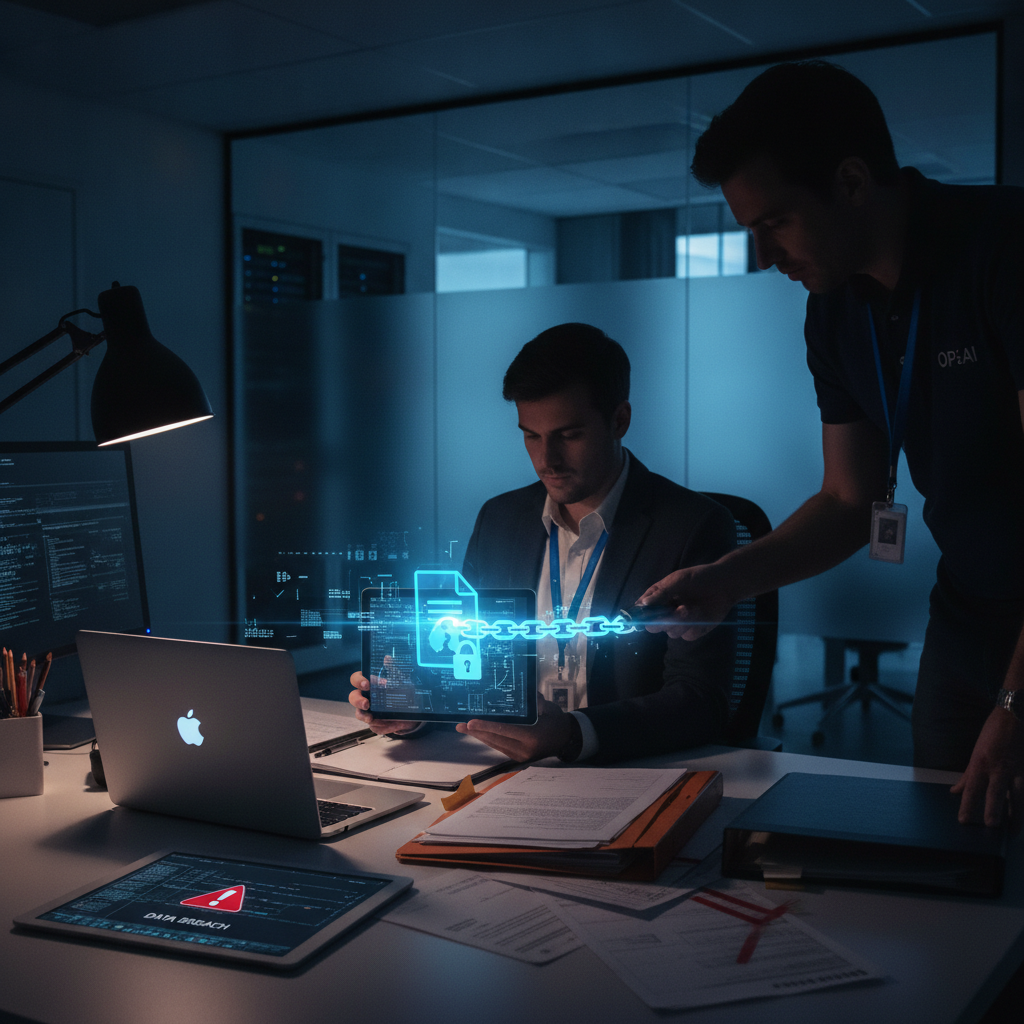
لكن هذا التقدم التكنولوجي يأتي مع مجموعة خاصة به من التحديات والتعقيدات الجيوسياسية. تكشف العناوين الرئيسية الأخيرة عن هجوم سيبراني مقلق شل آلاف المدارس وعرض بيانات 275 مليون شخص للخطر على منصة التعليم الإلكتروني Canvas، مما يسلط الضوء على نقاط الضعف الخطيرة في البنية التحتية الرقمية الحيوية. في الوقت نفسه، يؤدي تأثير الذكاء الاصطناعي إلى تشويه الإشارات الاقتصادية الرئيسية، مما يجعل النمو يبدو أقوى بينما يخفي نقاط ضعف محتملة في سوق العمل، مما يؤدي إلى "تفرد اقتصادي" تصبح فيه المقاييس التقليدية غير موثوقة. كما تتجلى التوترات الجيوسياسية في الاشتباه بتهريب رقائق Nvidia إلى Alibaba عبر تايلاند، وظهور الصين بنماذج ذكاء اصطناعي ميسورة التكلفة وقابلة للتكيف تثير قلق وادي السيليكون بشكل متزايد.
علاوة على ذلك، يتطور المشهد الأخلاقي والتنظيمي للذكاء الاصطناعي بسرعة. فالجدل الذي أثاره عالم الأحياء التطوري ريتشارد دوكينز حول احتمالية امتلاك الذكاء الاصطناعي لمشاعر، على الرغم من أن استنتاجاته قد تكون مضللة، يؤكد على الأسئلة العميقة المحيطة بوعي الذكاء الاصطناعي. وفي صناعة الترفيه، اعتمدت جوائز غولدن غلوب قواعد جديدة وأكثر تساهلاً للذكاء الاصطناعي، مما يسمح باستخدامه كتحسين وليس كبديل، وهو ما يتناقض بشكل صارخ مع موقف الأوسكار الأكثر صرامة. وفي سياق آخر، تظهر حلول مبتكرة لتغير المناخ، مثل نظام جديد لتخزين الطاقة مستوحى من حروق الشمس، يحاكي التغيرات الجزيئية في الحمض النووي التالف لتخزين الطاقة الشمسية، مما يقدم لمحة عن كيفية معالجة التكنولوجيا للتحديات العالمية.