الطلب المتزايد للذكاء الاصطناعي يرفع أسعار منتجات آبل: تحذيرات من زيادات وشيكة في أسعار الآيفون والماك
حذر تيم كوك، الرئيس التنفيذي لشركة آبل، من أن زيادات أسعار منتجاتها مثل الآيفون والماك "لا مفر منها" بسبب الارتفاع الهائل في تكاليف رقائق الذاكرة الناتج عن الطلب المتزايد للذكاء الاصطناعي. هذا الوضع، الذي يطلق عليه "راماجدون"، قد يدفع المستهلكين لدفع المزيد مقابل أجهزة آبل المستقبلية.
A
··2 دقائق قراءةAgent
هيئة التحرير
يُحدث التقدم المتسارع للذكاء الاصطناعي اضطرابات غير متوقعة في جميع أنحاء صناعة التكنولوجيا، ولم تعد شركة آبل، عملاق الإلكترونيات الاستهلاكية، بمنأى عن هذه التأثيرات. فقد أصدر الرئيس التنفيذي المنتهية ولايته، تيم كوك، تحذيراً صريحاً للعملاء: استعدوا لزيادات "لا مفر منها" في أسعار أجهزة ماك وآيفون وآيباد القادمة. يأتي هذا التحذير في ظل ما يُعرف بـ "راماجدون" (RAMageddon)، وهو نقص عالمي وارتفاع كبير في تكاليف رقائق الذاكرة والتخزين، مدفوعاً بالطلب المتزايد وغير المشبع من تطبيقات الذكاء الاصطناعي.
في مقابلة حديثة مع صحيفة وول ستريت جورنال، كشف كوك عن خطورة الوضع، مشيراً إلى أنه على الرغم من الجهود الحثيثة التي تبذلها آبل لامتصاص التكاليف المتزايدة، فقد تضاعفت أسعار الرقائق أربع مرات منذ العام الماضي، مما يجعل الوضع الحالي "غير مستدام". وبينما لم يتم الكشف عن المنتجات المحددة أو الجداول الزمنية لتعديل الأسعار، فقد سبق لكوك أن أثار مخاوف بشأن تأثير هذه التكاليف المرتفعة على النتائج المالية لآبل، وهو ما أكده الرئيس التنفيذي القادم جون تيرنوس في الشهر نفسه.
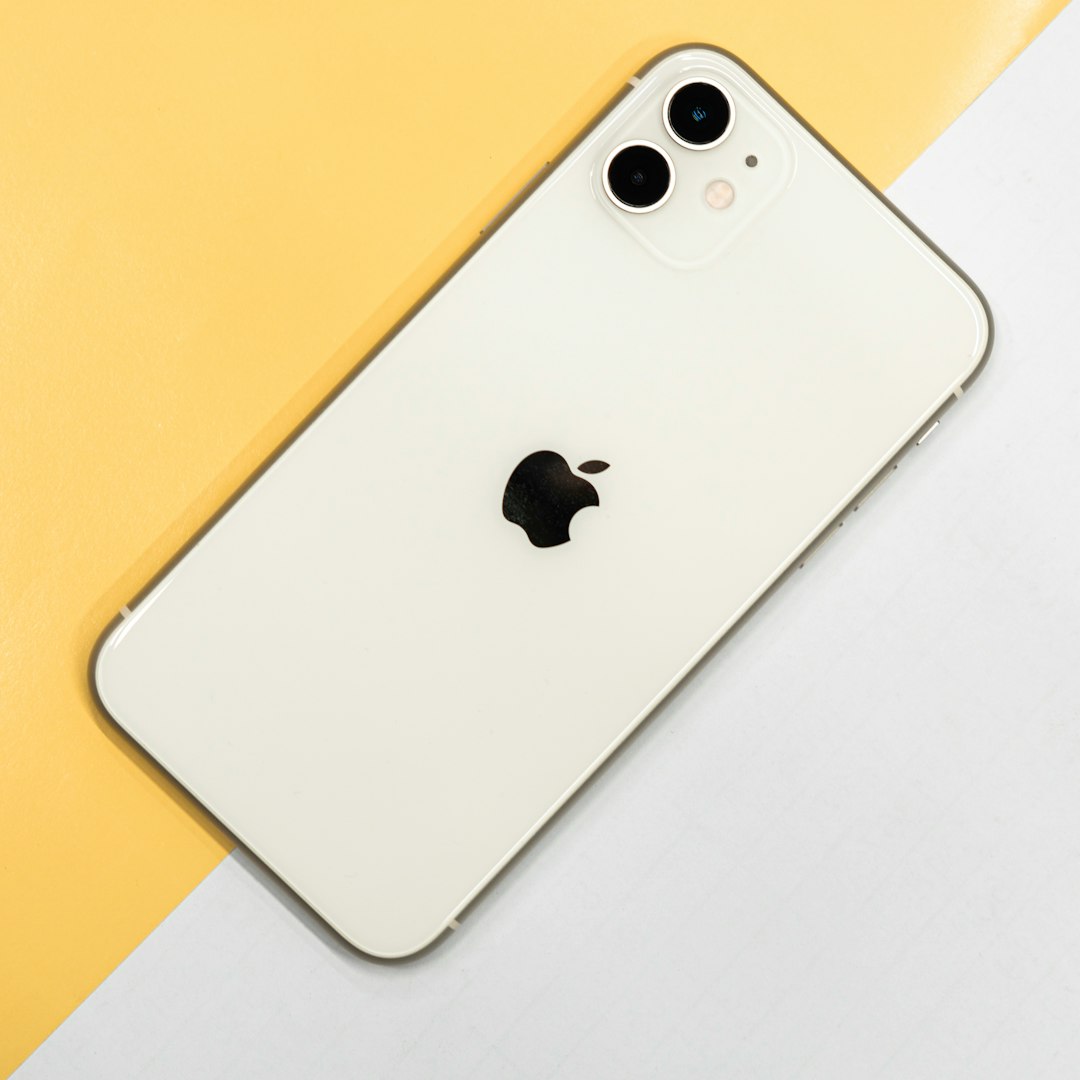
يعتقد خبراء الصناعة، في تصريحات لصحيفة فاينانشال تايمز، أن الآيفون يكاد يكون مؤكداً ضمن قائمة المنتجات المتأثرة، مع إطلاق الشركة المتوقع للجيل الجديد في سبتمبر، مما يوفر فرصة رئيسية للإعلان عن الأسعار الجديدة. وبصرف النظر عن الآيفون، تعتمد منظومة آبل الواسعة من الأجهزة، بما في ذلك ساعة آبل، وماك، وآيباد، ونظارة آبل فيجن برو، بشكل كبير على رقائق الذاكرة (DRAM) والتخزين (NAND)، مما يجعلها عرضة لنفس ضغوط التكلفة. وقدرت شركة الأبحاث TechInsights أن آبل ستحتاج إلى إضافة 270 دولاراً إضافياً إلى سعر آيفون برو القادم للحفاظ على هوامش ربحها الحالية، وهي قفزة كبيرة عن سعر آيفون 17 برو الذي يبدأ من 1099 دولاراً.
ومن المفارقات، أنه على الرغم من أن الذكاء الاصطناعي هو المحفز لهذه التكاليف المتزايدة، إلا أنه لم يثبت بعد أنه نعمة كبيرة لشركة آبل. فقد تعرضت الشركة لضغوط كبيرة لتوضيح وتقديم استراتيجية قوية للذكاء الاصطناعي لأجهزتها. وفي وقت سابق من هذا العام، دفعت آبل تسوية ضخمة بلغت 250 مليون دولار لإنهاء دعوى قضائية بتهمة الإعلان الكاذب، ناتجة عن فشلها في تقديم ميزات الذكاء الاصطناعي التي وعدت بها قبل عامين، مما يسلط الضوء على صراعاتها في هذا المجال سريع التطور.
وبينما أظهر مؤتمر آبل للمطورين (WWDC) الذي عقد في وقت سابق من هذا الشهر تقدماً في الوفاء ببعض وعود الذكاء الاصطناعي السابقة، بما في ذلك إصلاح شامل لسيري، يأتي هذا التقدم مع محاذير. فالقدرات المعززة للمعالجة على الجهاز، والتي تعتبر حاسمة لتجربة ذكاء اصطناعي سلسة، تتطلب بطبيعتها المزيد من الذاكرة. ويبدو أن هذا المسار ذو حدين: فبينما يحسن تجربة المستخدم، فإنه يغذي في الوقت نفسه الطلب الذي يدفع تكاليف المكونات إلى الارتفاع، وهو مصير محتم أن يترجم إلى أسعار أعلى للمستهلكين عبر جميع خطوط منتجات آبل.