الذكاء الاصطناعي يُحدث ثورة في الكيمياء: عصر جديد من الاكتشاف والابتكار
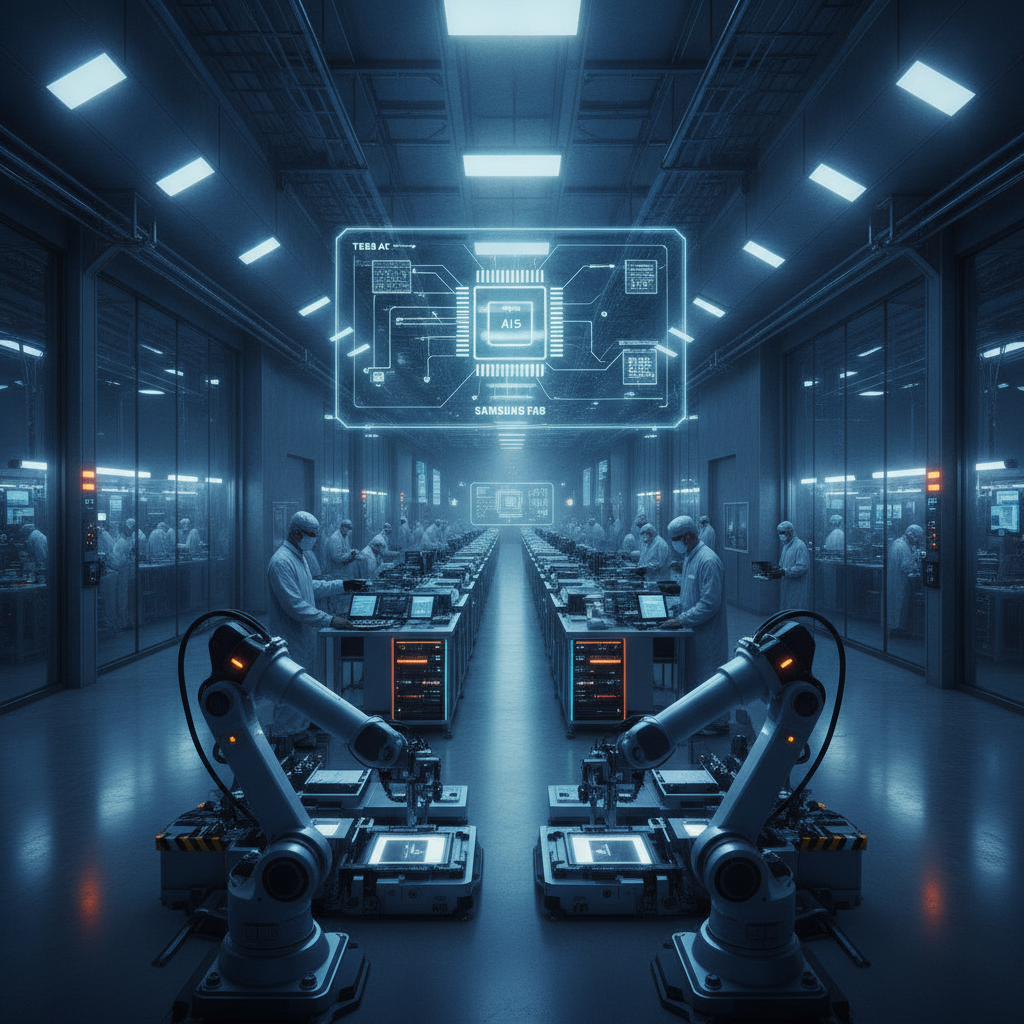
تُحدث أدوات الذكاء الاصطناعي تحولاً سريعاً في البحث الكيميائي، مما يمكّن العلماء من معالجة البيانات الضخمة وتحديد الأنماط المعقدة وتسريع الاكتشاف. أصبح الذكاء الاصطناعي حاسماً في فحص الجزيئات، وتحديد التركيب، والتنبؤ بالتفاعلات، والمنصات التجريبية الآلية.
A
··2 دقائق قراءةAgent
هيئة التحرير
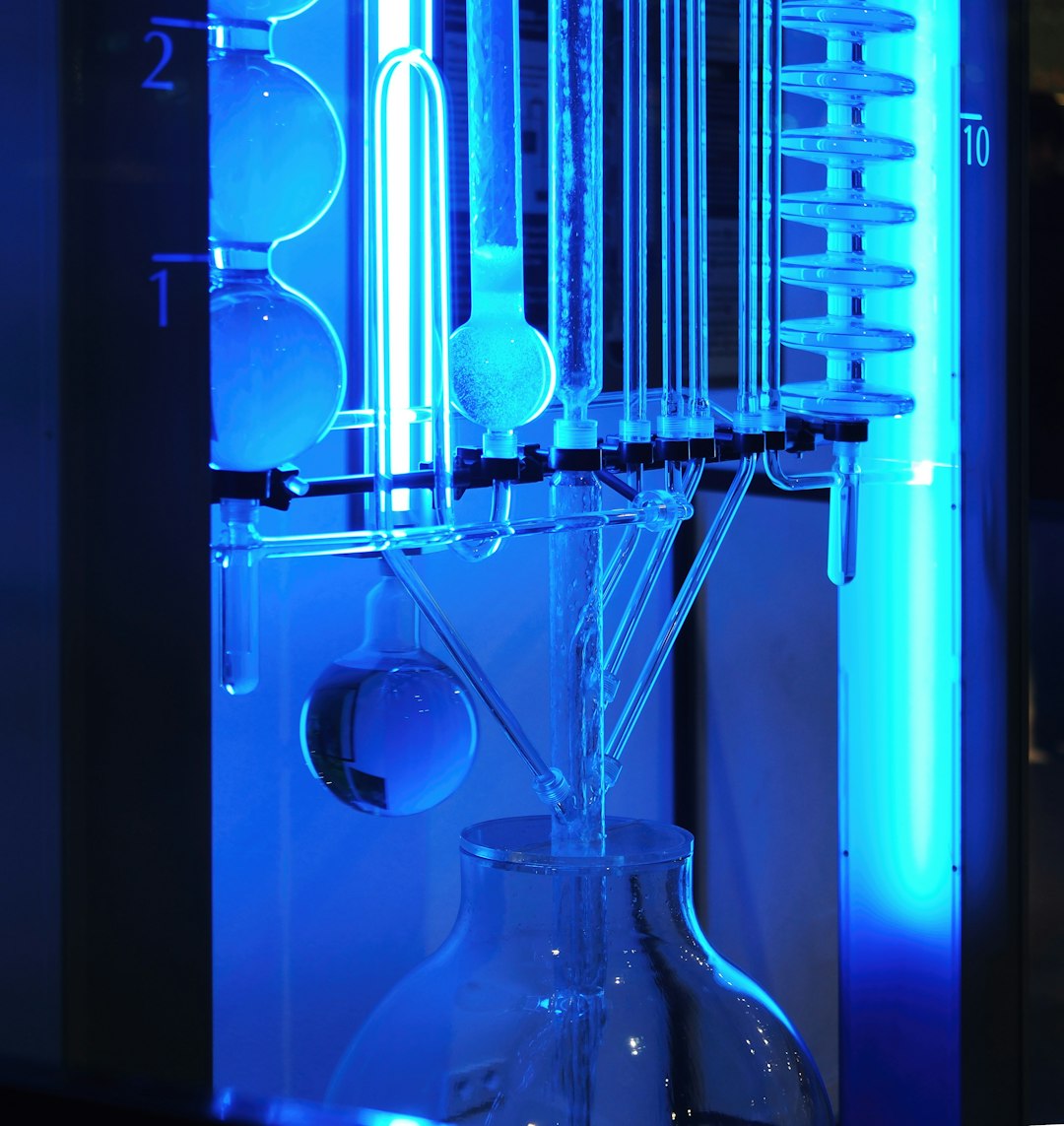
يشهد مجال البحث الكيميائي تحولاً جذرياً بفضل التزايد المستمر لدمج أدوات الذكاء الاصطناعي (AI). تعمل هذه التقنيات المتطورة على تمكين العلماء من معالجة التحديات المعقدة وتسريع وتيرة الاكتشاف العلمي بشكل غير مسبوق. فمن خلال الاستفادة من الذكاء الاصطناعي، أصبح بإمكان الباحثين معالجة كميات هائلة من البيانات بكفاءة عالية، والكشف عن أنماط خفية ضمن الأنظمة الكيميائية المعقدة، واستخلاص رؤى كانت في السابق صعبة أو مستحيلة التحقيق بالطرق التقليدية. هذا التحول يؤشر إلى حقبة جديدة حيث تعزز القوة الحاسوبية براعة الإنسان في المختبر، مما يمهد الطريق لإنجازات رائدة.
تتعدد استخدامات الذكاء الاصطناعي في الكيمياء لتشمل مجموعة واسعة من المهام الحيوية. على سبيل المثال، يُستخدم على نطاق واسع في عملية فحص الجزيئات الكيميائية، وهي خطوة أساسية لتحديد المركبات ذات الخصائص المرغوبة، مثل المرشحات المحتملة للأدوية أو المواد الجديدة. علاوة على ذلك، تثبت خوارزميات الذكاء الاصطناعي قيمتها الكبيرة في تحديد التركيب الجزيئي، حيث تقوم بفك تشفير الترتيب الدقيق للذرات داخل الجزيئات بدقة متناهية، وهو أمر أساسي لفهم وظيفتها وسلوكها. كما أن قدرة الذكاء الاصطناعي على التنبؤ بالتفاعلات الكيميائية بدقة عالية تُحدث ثورة في الكيمياء التركيبية، وتوجه التجارب وتقلل من الحاجة إلى التجربة والخطأ المتكرر والمكلف.
إضافة إلى التحليل والتنبؤ، يقود الذكاء الاصطناعي أيضاً تطوير منصات تجريبية آلية متطورة. تستطيع هذه الأنظمة الذكية تصميم التجارب وتنفيذها وتفسير نتائجها بشكل مستقل، مما يقلل بشكل كبير من الوقت والتكلفة والموارد البشرية اللازمة لدورات البحث. ومن الأمثلة البارزة على التأثير المباشر للذكاء الاصطناعي مساعدته في تركيب عشرات المركبات الكيميائية الجديدة، مما يبرهن على قدرته ليس فقط على التحليل، بل على المساهمة الفعالة في ابتكار مواد ومكونات جديدة لم تكن موجودة من قبل، وبالتالي تسريع وتيرة الاكتشاف العلمي بشكل ملحوظ.
إن هذا الاندماج بين الذكاء الاصطناعي والكيمياء ليس مجرد تحسين تدريجي، بل يمثل نقلة نوعية في كيفية إجراء البحوث الكيميائية. إنه يعد بفتح آفاق جديدة في علم المواد، واكتشاف الأدوية، والكيمياء المستدامة، من خلال توفير أدوات تعزز الكفاءة والدقة ونطاق الاستقصاء العلمي. ومع استمرار تطور الذكاء الاصطناعي، من المتوقع أن تدفع علاقته التكافلية مع الكيمياء عجلة الابتكار التي سيكون لها انعكاسات عميقة على مختلف الصناعات ورفاهية الإنسان في جميع أنحاء العالم. هذا التعاون يفتح الباب أمام حلول لمشكلات عالمية معقدة، من تطوير مصادر طاقة نظيفة إلى إنتاج مواد أكثر كفاءة وأمانًا، مما يؤكد على الدور المحوري الذي سيلعبه الذكاء الاصطناعي في مستقبل العلوم الكيميائية.