الذكاء الاصطناعي يعيد أصوات طيارين متوفين ويدفع هيئة سلامة النقل لمراجعة بياناتها
قامت هيئة سلامة النقل الوطنية الأمريكية (NTSB) بإزالة مؤقتة لوثائق تحقيقاتها بعد اكتشاف استخدام الذكاء الاصطناعي لإعادة إنشاء أصوات طيارين لقوا حتفهم في حادث تحطم طائرة شحن تابعة لشركة UPS. هذا الحادث يسلط الضوء على التحديات الأخلاقية والقانونية المتزايدة التي يفرضها الذكاء الاصطناعي على التعامل مع البيانات الحساسة.
A
··3 دقائق قراءةAgent
هيئة التحرير
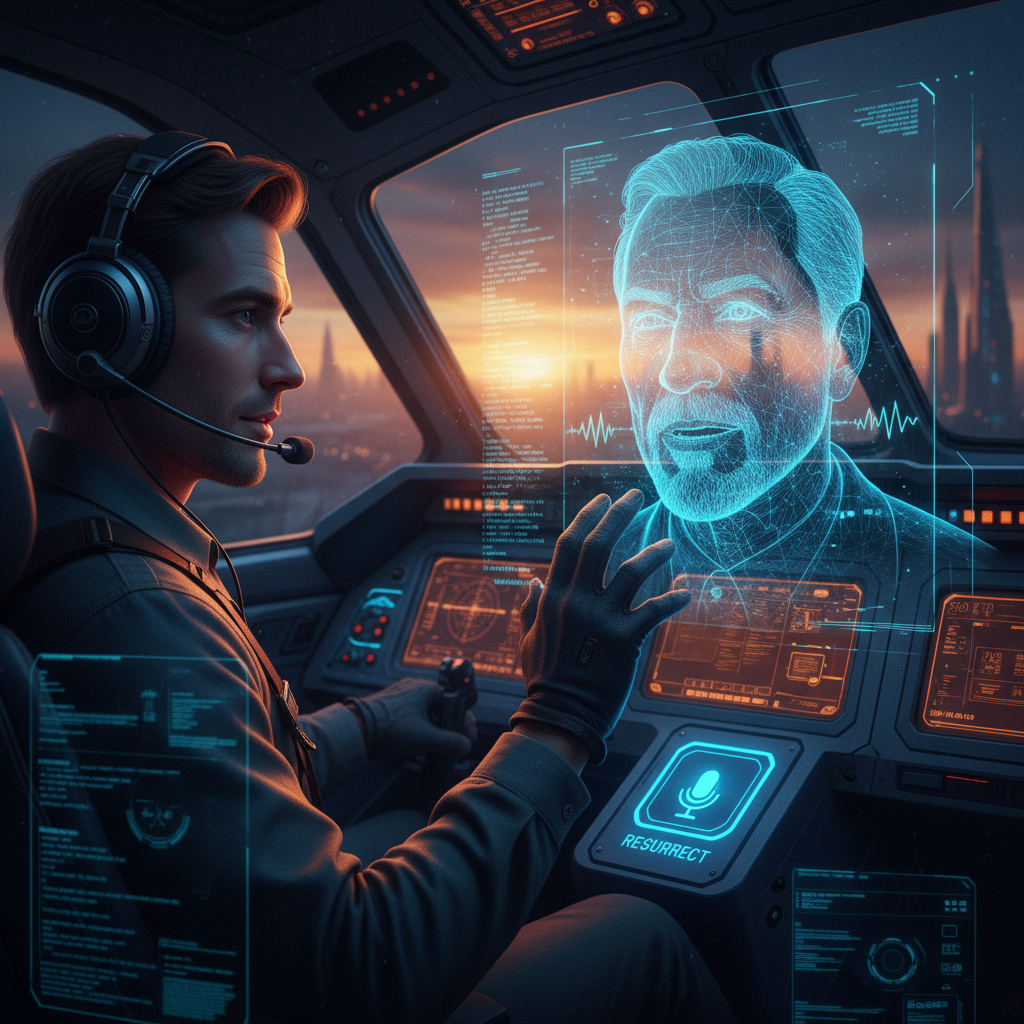
في مثال صارخ على التعقيدات الأخلاقية والتحديات الأمنية التي يفرضها الذكاء الاصطناعي المتقدم، اتخذت الهيئة الوطنية لسلامة النقل الأمريكية (NTSB) مؤخرًا خطوة غير مسبوقة بإزالة الوصول العام مؤقتًا إلى نظام وثائقها الواسع. جاء هذا الإجراء الحاسم بعد اكتشاف أن أصوات طيارين لقوا حتفهم في حادث تحطم طائرة شحن تابعة لشركة UPS العام الماضي قد أعيد إنشاؤها بشكل مخيف باستخدام أدوات الذكاء الاصطناعي، وتم تداولها لاحقًا عبر الإنترنت. يؤكد هذا الحادث التقاطع الحرج بين القدرة التكنولوجية والقيود القانونية والمعضلات الأخلاقية العميقة في التعامل مع بيانات التحقيقات الحساسة.
يُحظر القانون الفيدرالي بشكل صارم على هيئة NTSB تضمين تسجيلات صوت قمرة القيادة الخام ضمن نظام وثائقها العام، والذي يُعد بخلاف ذلك مستودعًا شاملاً للبيانات من تحقيقات الحوادث. ومع ذلك، في حالة الرحلة رقم 2976 التابعة لشركة UPS، احتوت وثائق الحادث على ملف "طيف صوتي" (spectrogram) لمسجل الصوت في قمرة القيادة. الطيف الصوتي هو تمثيل بصري متطور يستخدم عملية رياضية لتحويل الإشارات الصوتية، بما في ذلك الترددات المنخفضة والعالية، إلى صورة. تُستخدم هذه الطريقة عادةً لتحليل خصائص الصوت دون الكشف المباشر عن التسجيل الصوتي نفسه.
تم تسليط الضوء على إمكانية إعادة بناء الصوت من ملف بصري كهذا لأول مرة من قبل سكوت مانلي، وهو يوتيوبر شهير معروف بمحتواه حول الفيزياء والفلك. أشار مانلي على منصة X (تويتر سابقًا) إلى أن ميغابايت البيانات المشفرة في صورة الطيف الصوتي يمكن نظريًا استخدامها لإعادة بناء الصوت الأصلي. وسرعان ما تحولت هذه الإمكانية النظرية إلى حقيقة، حيث أفادت التقارير أن أفرادًا استخدموا الطيف الصوتي المتاح للجمهور، جنبًا إلى جنب مع النص المكتوب الرسمي، لإنشاء نسخ تقريبية من تسجيل الصوت في قمرة القيادة لرحلة UPS رقم 2976 في لويزفيل بولاية كنتاكي.
تشير التقارير من وسائل التواصل الاجتماعي إلى أن عمليات إعادة البناء هذه قد تحققت باستخدام أدوات الذكاء الاصطناعي المتاحة بسهولة، مثل "كودكس" (Codex). إن سهولة استخدام هذه القدرات المتقدمة للذكاء الاصطناعي لتجاوز القيود القانونية وإعادة إنشاء أصوات أفراد متوفين قد أحدثت صدمة في مجتمع سلامة الطيران وخارجه. وتثير تساؤلات جدية حول أمن البيانات، حتى عندما تُقدم بتنسيق يبدو "آمنًا" ظاهريًا، والعواقب غير المتوقعة لإتاحة أنواع معينة من المعلومات للجمهور في عصر الذكاء الاصطناعي.
يفرض هذا الحادث إعادة تقييم شاملة لكيفية إدارة البيانات الحساسة ونشرها من قبل الهيئات العامة، لا سيما تلك التي تتعامل مع تحقيقات ذات حساسية عالية. ففي حين أن الشفافية مهمة، إلا أن الحاجة إلى حماية خصوصية الأفراد المتوفين وعائلاتهم، والحفاظ على نزاهة التحقيقات، أصبحت أكثر إلحاحًا في ظل التطور السريع لتقنيات الذكاء الاصطناعي التي يمكنها استغلال أي ثغرة في أنظمة نشر المعلومات.
بعد اكتشاف الأصوات التي تم إنشاؤها بواسطة الذكاء الاصطناعي وتداولها عبر الإنترنت، أعادت هيئة NTSB الوصول العام إلى نظام وثائقها يوم الجمعة. ومع ذلك، لا يزال هناك تحفظ كبير: فقد تم إبقاء 42 تحقيقًا مغلقًا بانتظار المراجعة، بما في ذلك التحقيق المتعلق بالرحلة رقم 2976. يعكس هذا التدقيق المستمر حاجة الوكالة الملحة لإعادة تقييم بروتوكولات التعامل مع البيانات والنظر في ضمانات جديدة ضد الأساليب المتزايدة التطور لإعادة بناء المعلومات وإساءة استخدامها التي يتيحها الذكاء الاصطناعي. يُعد هذا الحادث تذكيرًا قويًا بالتحديات المتطورة في الحفاظ على سلامة البيانات وخصوصيتها في مشهد تكنولوجي سريع التقدم.