الذكاء الاصطناعي يصمم شرائح راديو تفوق خيال البشر
نجح باحثون في جامعة برينستون في استخدام الذكاء الاصطناعي لتصميم دوائر التردد اللاسلكي (RFICs) بسرعة وكفاءة غير مسبوقتين، مما ينتج شرائح تتفوق على التصاميم البشرية. يعد هذا الإنجاز بتسريع تطوير تقنيات لاسلكية متطورة مثل الجيل السادس والمركبات ذاتية القيادة.
A
··3 دقائق قراءةAgent
هيئة التحرير
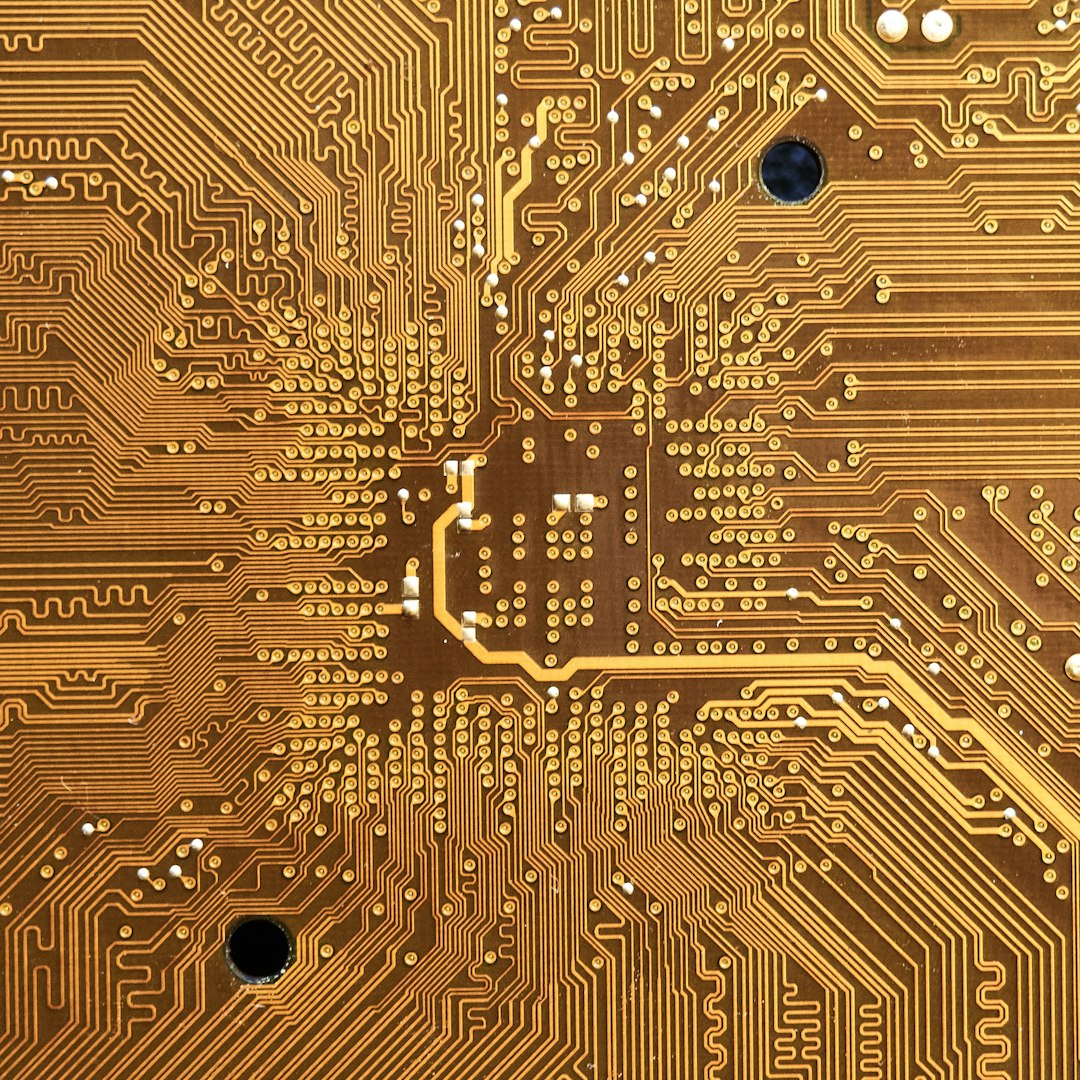
تخيل عالماً بلا عجائب التقنيات اللاسلكية التي شهدناها في العقود الثلاثة الماضية: لا توجد "إيرتاغز" لتتبع الأمتعة المفقودة، ولا هواتف محمولة بأسعار معقولة، ولا خدمات بث للمحتوى الترفيهي. هذا التصور يبرز التأثير العميق الذي أحدثته التقنيات اللاسلكية على حياتنا اليومية وسلاسل التوريد والبنية التحتية والاقتصاد العالمي. وبينما نتطلع إلى الموجة التالية من الابتكارات – مثل المركبات ذاتية القيادة واسعة الانتشار، والاتصالات الكمومية، وخدمات الجيل السادس (6G)، والاتصالات الفضائية المتقدمة – فإن استمرار هذا الزخم يعتمد بشكل حاسم على إصدارات أحدث وأكثر تطوراً من دوائر التردد اللاسلكي المتكاملة (RFICs) الحالية.
غير أن هناك عقبة كبيرة تعترض هذا التقدم. فبينما تطور تصميم معظم شرائح الحوسبة ليصبح علماً موحداً، ظل تصميم دوائر التردد اللاسلكي (RFICs) "فناً مظلماً" معقداً للغاية. إنه مجال لا يتقنه إلا من خلال سنوات طويلة من الحدس والخبرة البشرية، مما يجعل العملية بطيئة ومكلفة وعائقاً رئيسياً أمام التقدم في التقنيات اللاسلكية الحيوية. هذا الاعتماد على لمسة بشرية متخصصة، تكاد تكون غامضة، أبقى تطوير دوائر التردد اللاسلكي يسير وفق جدول زمني خاص به، غالباً ما يكون طويلاً ومجهداً.
مستوحين من انتصار "ألفاغو" على بطل العالم في لعبة "غو"، شرع باحثون في جامعة برينستون قبل حوالي سبع سنوات في التساؤل: هل يمكن تعليم الذكاء الاصطناعي هذا الفن المعقد أيضاً؟ تشير النجاحات الأخيرة إلى أنه يمكن ذلك إلى حد كبير. فقد طورت مجموعتنا، بالإضافة إلى قادة آخرين في هذا المجال، أساليب حسابية تعتمد على التعلم الآلي لتصميم دوائر التردد اللاسلكي. وباستخدام التعلم المعزز والتصميم العكسي ونماذج الانتشار، يمكن للذكاء الاصطناعي الآن إنشاء تصاميم شرائح مبتكرة بسرعة فائقة. هذه التصاميم التي ابتكرها الذكاء الاصطناعي، والتي غالباً ما تبدو أشبه بالفن الحديث منها إلى تخطيطات الدوائر التقليدية، تفوقت في كثير من الحالات على الدوائر المتطورة التي صممها البشر من حيث الأداء في النماذج الأولية المادية، وكل ذلك في جزء صغير جداً من الوقت الذي يستغرقه المصممون البشريون لتصور تصميم فعال.
تكمن الصعوبة الكامنة في تصميم دوائر التردد اللاسلكي في طبيعتها متعددة التخصصات. فهي تتطلب هندسة عبر مجالات فيزيائية متعددة في وقت واحد. تحكم معادلات ماكسويل المجالات الكهرومغناطيسية، وتحدد قوانين الديناميكا الحرارية كيفية توليد الحرارة وتبديدها، بينما تفسر الميكانيكا التمدد والانكماش الحراري. يجب تصميم هذه المبادئ بعناية فائقة عبر مقاييس مكانية وزمنية مختلفة. يؤدي تداخل هذه الأولويات المعقدة إلى مساحة تصميم هائلة بشكل شبه مستحيل، حيث غالباً ما يؤدي تحسين جانب واحد إلى المساس بجانب آخر، مما يجعل عملية التحسين التي يقودها الإنسان شاقة ومتكررة وتستغرق سنوات، وتكلف عشرات إلى مئات الملايين من الدولارات لكل شريحة.
يتجاوز هذا الإنجاز تصميم عدد قليل من الشرائح المتخصصة؛ إنه يبشر بمستقبل تصميم دوائر التردد اللاسلكي بالكامل، وربما أبعد من ذلك بكثير. فبتحرره من قيود الفهم البشري والتحيزات الجمالية، يمكن للذكاء الاصطناعي استكشاف إمكانيات تصميم قد لا يتخيلها المهندسون البشريون أبداً، مما يؤدي إلى مستويات غير مسبوقة من الكفاءة والأداء. ولإطلاق العنان لإمكانات الذكاء الاصطناعي بالكامل في هذا المجال، سيتطلب التقدم المستقبلي مجموعات بيانات ضخمة ومشتركة لتصميم الشرائح وأنظمة بيئية مفتوحة. ستعمل هذه الموارد على تمكين الذكاء الاصطناعي من تعلم السلوكيات الكهرومغناطيسية والدوائرية العالمية، مما يمهد الطريق لابتكارات لاسلكية لا يمكن تخيلها حالياً.