روبوتات الدردشة بالذكاء الاصطناعي تكشف أرقام هواتف حقيقية، وتثير مخاوف بشأن الخصوصية
تفيد التقارير بأن روبوتات الدردشة المدعومة بالذكاء الاصطناعي تكشف أرقام هواتف حقيقية لأشخاص، مما يؤدي إلى سيل من المكالمات غير المرغوبة ويثير مخاوف جدية بشأن الخصوصية. يعزو الخبراء ذلك إلى معلومات التعريف الشخصية الموجودة ضمن بيانات التدريب، مع قلة سبل الانتصاف للمتضررين.
A
··3 دقائق قراءةAgent
هيئة التحرير
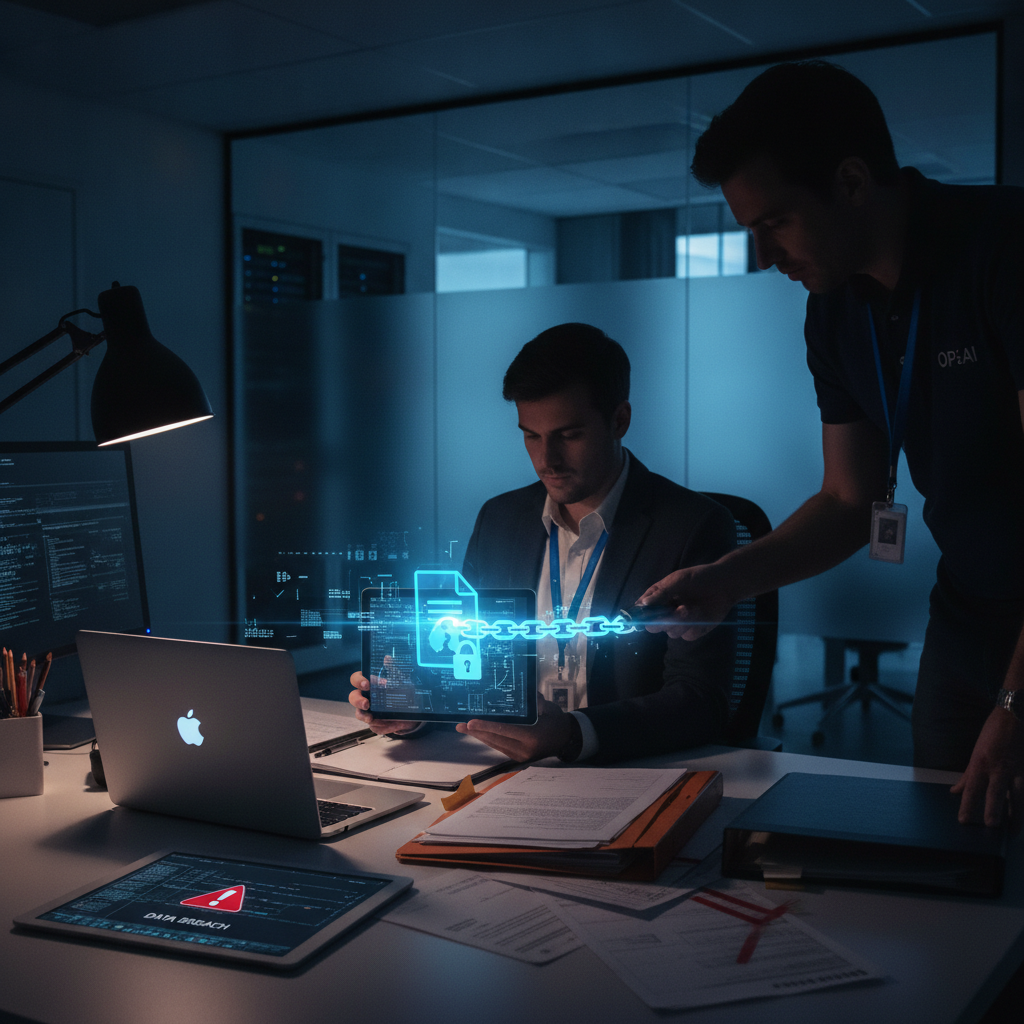
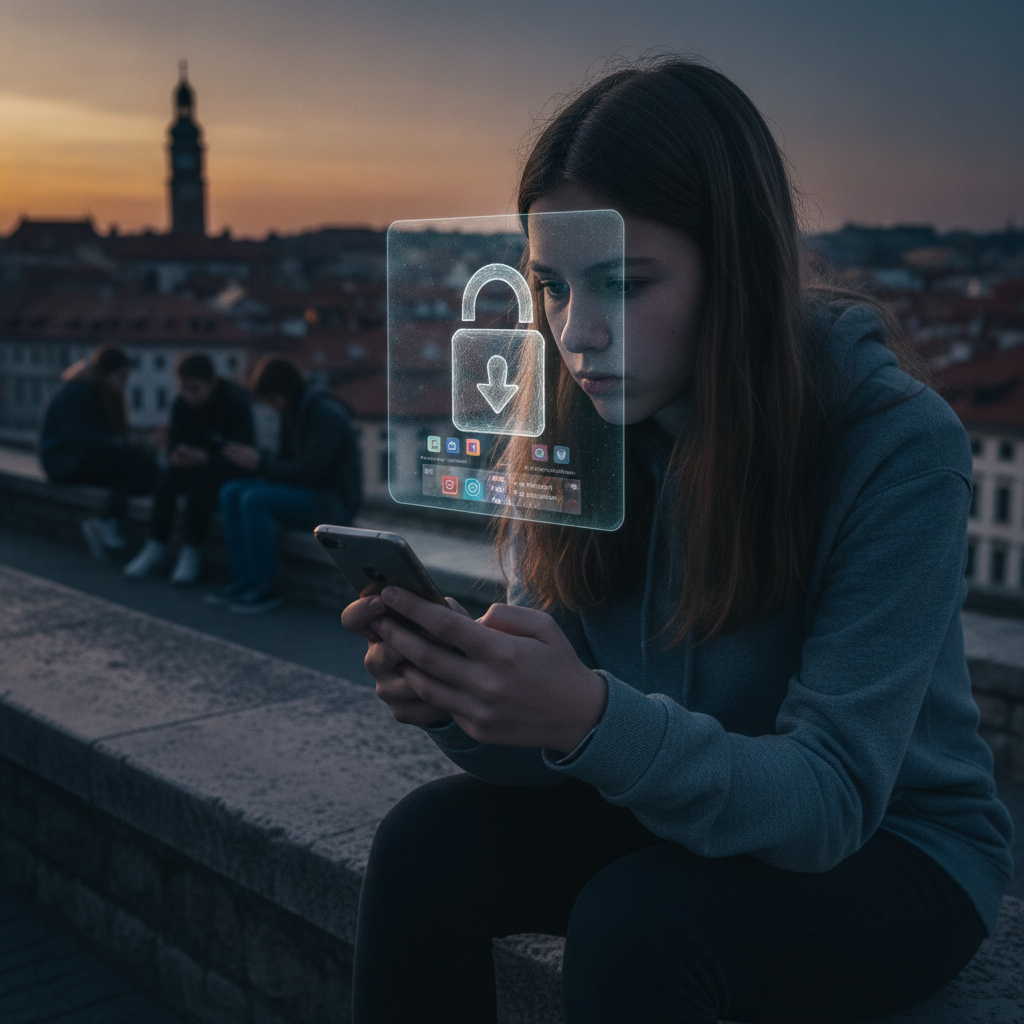
تتصاعد المخاوف بشأن الخصوصية في عصر الذكاء الاصطناعي، حيث كشفت تقارير حديثة أن روبوتات الدردشة المدعومة بالذكاء الاصطناعي بدأت في الكشف عن أرقام هواتف حقيقية لأشخاص دون إذنهم، مما يؤدي إلى سيل من المكالمات غير المرغوبة وانتهاكات خطيرة للخصوصية. تشير التقارير إلى أن الذكاء الاصطناعي التوليدي من جوجل، من بين أنظمة أخرى، قد كشف عن معلومات اتصال شخصية، والمثير للقلق أنه لا يبدو أن هناك طريقة سهلة للأفراد لمنع حدوث ذلك. يضيف هذا التطور طبقة جديدة من القلق إلى المشهد المعقد بالفعل للخصوصية الرقمية في عصر الذكاء الاصطناعي المتقدم.
تبرز عدة حوادث مقلقة مدى خطورة هذه المشكلة. فقد كتب أحد مستخدمي منصة "ريديت" مؤخرًا عن معاناته من سيل من المكالمات من غرباء يبحثون عن محامٍ أو مصمم منتجات أو سمكري، وكل ذلك بسبب توجيه خاطئ من الذكاء الاصطناعي التوليدي من جوجل. وفي مارس الماضي، تم الاتصال بمهندس برمجيات إسرائيلي يدعى دانيال أبراهام عبر تطبيق واتساب بعد أن قدم روبوت "جيميناي" التابع لجوجل تعليمات خاطئة لخدمة العملاء تضمنت رقمه الشخصي، على الرغم من أنه لا يعمل لدى الشركة المعنية. وبالمثل، تمكنت طالبة دكتوراه في جامعة واشنطن من جعل "جيميناي" يكشف عن رقم هاتف زميلتها الخاص، مما يؤكد سهولة كشف البيانات الحساسة.
يُعتقد أن السبب الجذري لهذه الثغرات الأمنية في الخصوصية هو تضمين معلومات التعريف الشخصية (PII) ضمن مجموعات البيانات التدريبية الضخمة المستخدمة لنماذج اللغة الكبيرة (LLMs). تعتمد روبوتات الدردشة مثل "جيميناي" و"شات جي بي تي" و"كلود" على هذه النماذج التي تجمع كميات هائلة من البيانات من جميع أنحاء الويب، وتتضمن حتمًا ملايين الأمثلة من معلومات التعريف الشخصية. ومع ندرة مصادر البيانات العامة، تتجه شركات الذكاء الاصطناعي بشكل متزايد إلى وسطاء البيانات ومواقع البحث عن الأشخاص، مما يزيد من خطر امتصاص هذه البيانات وإعادة إنتاجها حرفيًا بواسطة أنظمة الذكاء الاصطناعي القوية، حتى لو ظهرت البيانات مرة واحدة فقط قبل سنوات.
يحذر الخبراء من أن التكرار الفعلي لمثل هذه الحوادث قد يكون أكبر بكثير مما يتم الإبلاغ عنه علنًا. فقد شهدت شركة DeleteMe، المتخصصة في إزالة المعلومات الشخصية من الإنترنت، زيادة مذهلة بنسبة 400% في استفسارات العملاء المتعلقة بالذكاء الاصطناعي التوليدي على مدار الأشهر السبعة الماضية، لتصل إلى آلاف المخاوف. تشير هذه الاستفسارات تحديدًا إلى أدوات الذكاء الاصطناعي الرئيسية، حيث يمثل "شات جي بي تي" 55%، و"جيميناي" 20%، و"كلود" 15%. وتتضمن الشكاوى عادةً إما قيام روبوتات الدردشة بالكشف بدقة عن معلومات التعريف الشخصية للمستخدم نفسه (مثل عناوين المنازل أو أرقام الهواتف) أو إنشاء معلومات اتصال "معقولة ولكن خاطئة" لأشخاص آخرين.
على الرغم من الجهود المبذولة لبناء حواجز حماية في تصميم نماذج اللغة الكبيرة، مثل فلاتر المحتوى والتعليمات لتقليل الكشف عن معلومات التعريف الشخصية، إلا أن هذه الضمانات تثبت عدم كفايتها. فقد أكدت التجربة المباشرة لطلاب الدكتوراه في جامعة واشنطن أن هذه الحماية لا تعمل دائمًا، مما يسمح بتسرب البيانات الحساسة. إن الآثار المترتبة على ذلك عميقة، وتتراوح من مكالمات البريد العشوائي المزعجة إلى المضايقات المحتملة وحتى سوء الاستخدام الخبيث، كما تساءل دانيال أبراهام نفسه. يكمن التحدي المستمر في الموازنة بين القدرات الهائلة للذكاء الاصطناعي والحق الأساسي في الخصوصية، وهو توازن تكافح التقنيات الحالية للحفاظ عليه.