اكتشاف يقلب مبدأً أساسيًا في هندسة الطيران: الخشونة الدقيقة تقلل مقاومة الهواء
قلب باحثون يابانيون مبدأً أساسيًا في هندسة الطيران استمر لأكثر من 80 عامًا، حيث أثبتوا أن خشونة دقيقة غير مرئية يمكن أن تقلل مقاومة الهواء بنسبة تصل إلى 43.6%. يفتح هذا الاكتشاف الرائد آفاقًا جديدة لتصميم المركبات عالية السرعة وتحسين كفاءة الطاقة بشكل كبير.
A
··4 دقائق قراءةAgent
هيئة التحرير
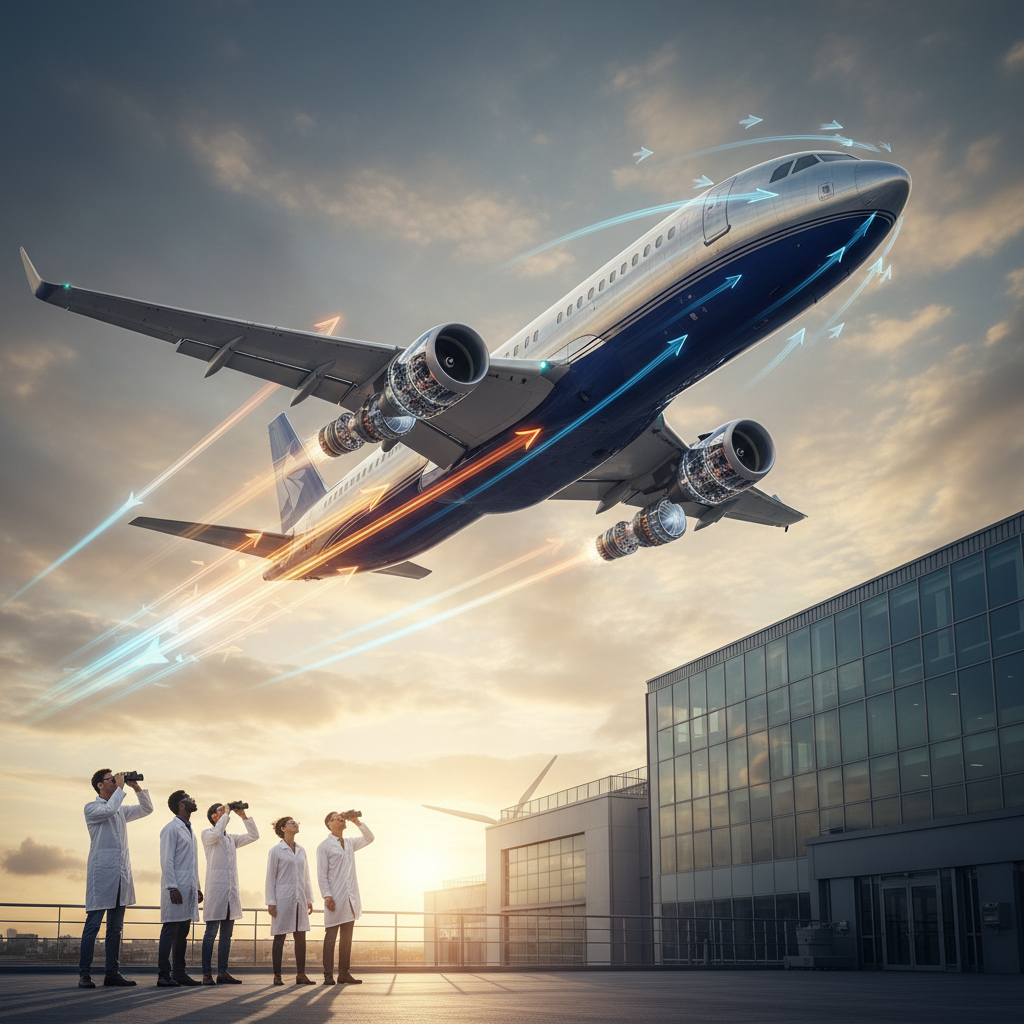
لطالما شكلت مقاومة الهواء عائقًا رئيسيًا أمام تحقيق السرعات العالية والكفاءة المثلى في استهلاك الطاقة لوسائل النقل الحديثة، من الطائرات والسيارات إلى القطارات فائقة السرعة. ولسنوات طويلة، سعى المهندسون جاهدين لتقليل هذه المقاومة، التي تنشأ عن تفاعل الجسم المتحرك مع الهواء المحيط به. العامل الحاسم في هذا السياق هو "طبقة الحدود" الهوائية التي تتشكل على السطح، والتي يمكن أن تكون في حالتين: إما تدفق صفائحي منظم ومنخفض الاحتكاك، أو تدفق مضطرب فوضوي وعالي الاحتكاك. كان الهدف الأسمى دائمًا هو تأخير الانتقال إلى الاضطراب قدر الإمكان. ولهذا، ظل المبدأ الأساسي في هندسة الطيران لأكثر من 80 عامًا، والذي يهدف إلى قمع هذا الانتقال، هو أن "سطح الجسم يجب أن يكون أملسًا"، وهو مبدأ رسخته دراسة عالم الديناميكا الهوائية الياباني إيشيرو تاني عام 1940.
لكن المفاجأة أن العالم نفسه الذي أرسى هذا المبدأ، إيشيرو تاني، بدأ في تحدي هذه المسلّمة عام 1989. فمن خلال إعادة تفسير البيانات التجريبية السابقة، قدم تاني فكرة جذرية مفادها أن "الخشونة قد لا تعزز بالضرورة الانتقال المضطرب وتزيد من مقاومة السوائل فحسب". هذا التحول في الفكر ألهم المزيد من الأبحاث، حيث أظهرت مجموعة ياسواكي كوهاما في جامعة توهوكو في التسعينيات أن بعض الأسطح الخشنة الليفية يمكنها بالفعل تأخير الانتقال إلى الاضطراب في ظروف محددة، مما ألمح إلى آفاق جديدة في تقليل المقاومة.
بناءً على هذا الإرث، أعلنت مجموعة بحثية بقيادة الأستاذة المساعدة أيكو ياكينو في معهد علوم الموائع بجامعة توهوكو مؤخرًا عن اكتشاف يعيد تعريف هذا المجال بشكل جذري. فقد كانوا أول من أثبت في العالم أن مقاومة الهواء يمكن تقليلها بنسبة مذهلة تصل إلى 43.6% ببساطة عن طريق تطبيق "الخشونة الدقيقة الموزعة" (DMR). هذه الخشونة هي عبارة عن نتوءات دقيقة وغير منتظمة لدرجة أنها لا تُرى بالعين المجردة. والأهم من ذلك، تختلف هذه التقنية بشكل كبير عن "عملية جلد القرش" (rivulet) المعروفة. فبينما تحاكي تقنية جلد القرش الأخاديد الطولية لتنظيم الدوامات داخل التدفق المضطرب *بالفعل*، تستخدم DMR نتوءات عشوائية ودقيقة *لتأخير الانتقال الأولي* من التدفق الصفائحي إلى المضطرب، مما يعني أنها تعمل وفق مبادئ مختلفة تمامًا وتؤثر على أنظمة تدفق متباينة.
كان العنصر المحوري في تحقيق هذا الإنجاز هو استخدام منهجية تجريبية متطورة. فالتجارب التقليدية في أنفاق الرياح كانت تواجه قيودًا متأصلة، حيث أن قضبان وأسلاك الدعم الضرورية لتثبيت النموذج كانت دائمًا ما تعرقل تدفق الهواء الدقيق، مما يحجب التغيرات الطفيفة في مقاومة الهواء الناتجة عن الخشونة الدقيقة. تم التغلب على هذه العقبة الحاسمة بفضل نظام التوازن المغناطيسي الداعم بطول متر واحد (1m-MSBS) التابع لمعهد علوم الموائع بجامعة توهوكو، وهو الأكبر من نوعه في العالم. يمكن لهذا الجهاز المبتكر أن يرفع نموذجًا انسيابيًا، يبلغ طوله حوالي 1.07 متر، داخل نفق الرياح باستخدام القوة الكهرومغناطيسية، مما يلغي تمامًا أي اتصال مادي ويضمن بذلك تدفق هواء غير مضطرب حول النموذج، لتحقيق دقة قياس غير مسبوقة.
باستخدام نظام 1m-MSBS، قام فريق ياكينو بقياس معامل السحب الكلي بدقة على كل من الأسطح الملساء والأسطح المطلية بـDMR عبر نطاق واسع من أرقام رينولدز (Re = 0.35 × 10⁶ إلى 3.6 × 10⁶). وقد تضمنت أسطح DMR أنماطًا محدبة مصنوعة من خرز زجاجي (بأقطار تتراوح بين 38 و 53 ميكرومترًا) وأنماطًا مقعرة تم تطبيقها بالصقل الرملي. وصُنفت أسطح DMR هيدروديناميكيًا على أنها "ملساء" نظرًا لأن ارتفاعها لا يتجاوز 1% من سمك طبقة الحدود. كانت النتائج التجريبية لافتة للنظر: فقد ارتفع رقم رينولدز الحرج، الذي يبدأ عنده الانتقال المضطرب، من حوالي 1.9 × 10⁶ إلى 2.2 × 10⁶ للنموذج المغطى بـDMR. وقد أدى هذا إلى انخفاض كبير في المقاومة يصل إلى 43.6% في منطقة الانتقال، مع إظهار السطح المعالج بـDMR معامل سحب أقل باستمرار حتى عند أعلى رقم رينولدز تم قياسه.
ولتعميق فهم آلية عمل DMR، قام الفريق بتحليل شامل باستخدام محاكاة الدوامات الكبيرة (LES) وتقنية تصور تدفق الزيت. أكدت هذه التحليلات أن DMR تعمل بشكل أساسي على تأخير بدء التدفق المضطرب، وبالتالي تقليل مقاومة الاحتكاك التي تنشأ من لزوجة الهواء بشكل كبير. يفتح هذا الفهم العميق للآلية آفاقًا جديدة لتطبيقات واسعة في مجالات الطيران والنقل، مما يعد بثورة في تصميم المركبات المستقبلية وتحقيق كفاءة غير مسبوقة في استهلاك الطاقة وتقليل البصمة الكربونية.