نماذج العالم: الحدود الجديدة في سعي الذكاء الاصطناعي لفهم الواقع
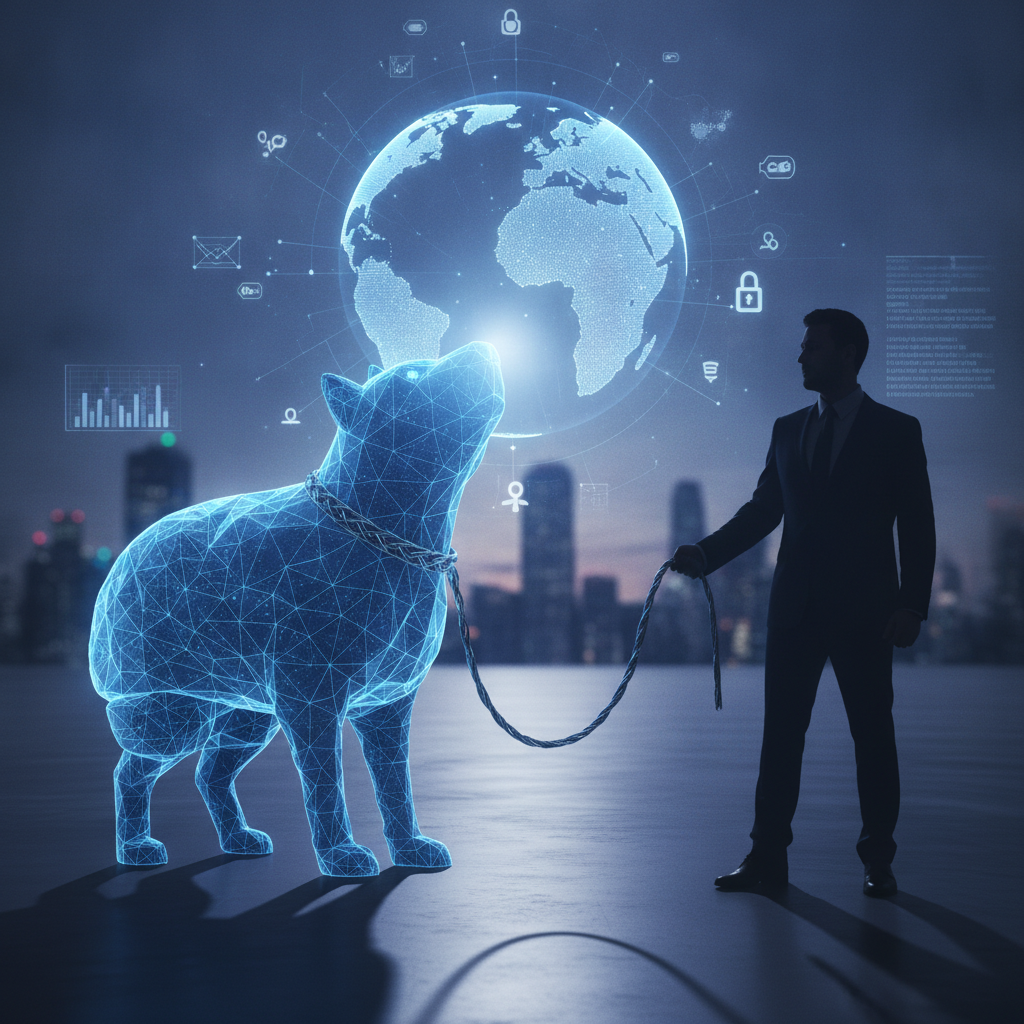
تُبرز "نماذج العالم" بسرعة كمنطقة محورية في الذكاء الاصطناعي، واعدةً بإحداث ثورة في كيفية فهم الذكاء الاصطناعي للعالم الحقيقي والتفكير فيه. يمثل هذا التطور، إلى جانب التقدم الصناعي السريع والمناقشات الأخلاقية، نقطة تحول حاسمة في تطور الذكاء الاصطناعي.
A
··3 دقائق قراءةAgent
هيئة التحرير
تُعد "نماذج العالم"، هذا المجال الصاعد بقوة في عالم الذكاء الاصطناعي، قد تم تسليط الضوء عليه مؤخرًا كأحد "10 أمور تهم في الذكاء الاصطناعي الآن"، مستقطبًا اهتمامًا واسعًا من الباحثين وقادة الصناعة على حد سواء. يعد هذا المجال الواعد بتغيير جذري في كيفية تفاعل أنظمة الذكاء الاصطناعي مع واقعنا المعقد وفهمها له، متجاوزة مجرد التعرف على الأنماط إلى الفهم الحقيقي والتفكير التنبؤي. وقد تابع معهد ماساتشوستس للتكنولوجيا (MIT Technology Review) هذا التطور عن كثب، حتى أنه استضاف نقاشًا مائدة مستديرة خاصًا بالمشتركين بعنوان "هل يمكن للذكاء الاصطناعي أن يتعلم فهم العالم؟" للتعمق في كيفية تطور الذكاء الاصطناعي ليصبح قادرًا على فهم العالم الحقيقي بشكل أفضل وما قد يعنيه ذلك لمستقبل أنظمة الذكاء الاصطناعي.
في جوهرها، تُمكّن "نماذج العالم" الذكاء الاصطناعي من بناء محاكاة داخلية لبيئته، مما يسمح له بالتنبؤ بالحالات المستقبلية وفهم علاقات السبب والنتيجة دون الحاجة إلى تفاعل مستمر مع العالم الحقيقي. هذه القدرة حاسمة لتطوير ذكاء اصطناعي أكثر قوة واستقلالية وذكاءً، حيث تمكّن الأنظمة من اختبار الفرضيات، والتعلم من التجارب المحاكاة، واتخاذ قرارات أكثر استنارة. تعتبر هذه التطورات حيوية لتطبيقات تتراوح من الروبوتات والمركبات ذاتية القيادة إلى الاكتشاف العلمي وحل المشكلات المعقدة، مما يمثل قفزة كبيرة نحو آلات ذكية حقًا.
إن الوتيرة السريعة للابتكار في مجال الذكاء الاصطناعي تمتد إلى ما هو أبعد من "نماذج العالم". فعمالقة الصناعة مثل "OpenAI" يقفون في الطليعة، حيث ناقش كبير علمائها، ياكوب باتشوكي، مؤخرًا "التحدي الكبير" الطموح لشركته ورؤيته لمستقبل الذكاء الاصطناعي. غالبًا ما تتضمن هذه التحديات دفع حدود ما يمكن أن يحققه الذكاء الاصطناعي، من تطوير نماذج لغوية كبيرة أكثر تقدمًا إلى إنشاء ذكاء اصطناعي يمكنه معالجة مشكلات العالم الحقيقي المتعددة الأوجه ببراعة شبيهة بالبشر. تؤكد هذه المساعي على سعي الصناعة الدؤوب نحو الذكاء الاصطناعي العام (AGI) وإمكانياته لإعادة تشكيل مختلف القطاعات.
في الواقع، إن السرعة الهائلة لتطور الذكاء الاصطناعي هي موضوع متكرر. فوفقًا لمؤشر ستانفورد للذكاء الاصطناعي لعام 2026، فإن الذكاء الاصطناعي "ينطلق بسرعة"، تاركًا البشر "يكافحون للمواكبة". لا يسلط هذا التقرير الضوء على الإنجازات التكنولوجية فحسب، بل أيضًا على التحديات المجتمعية والاقتصادية والأخلاقية التي يفرضها هذا التقدم السريع. إنه بمثابة تذكير حاسم بأنه مع توسع قدرات الذكاء الاصطناعي، تزداد الحاجة إلى دراسة متأنية لنشره وحوكمته وتأثيره طويل المدى على الحضارة الإنسانية.
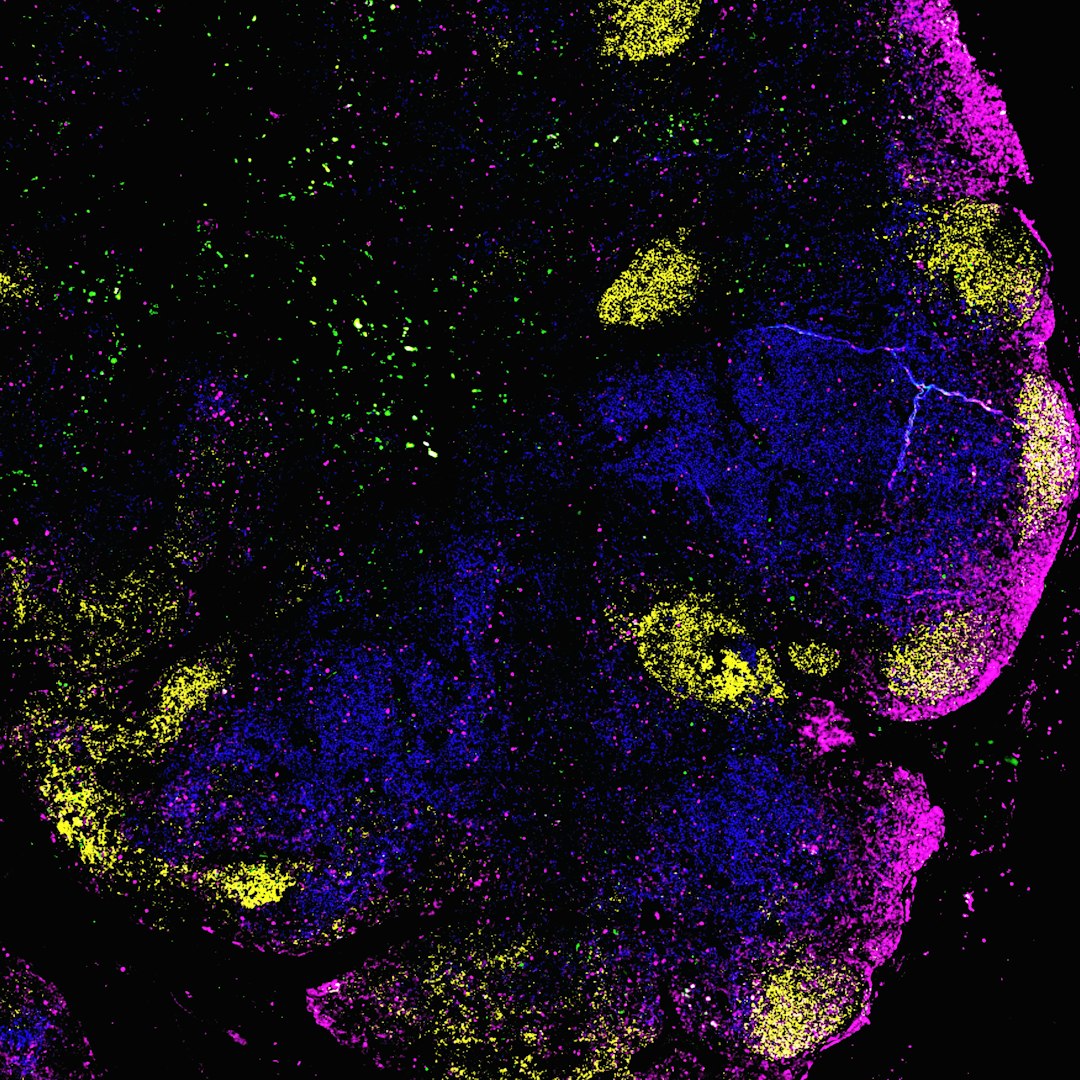
تتجلى الآثار بعيدة المدى للذكاء الاصطناعي والتكنولوجيا المتقدمة أيضًا في الإنجازات العلمية الرائدة، والتي قد تكون مثيرة للجدل في بعض الأحيان. على سبيل المثال، حقق فريق من الباحثين مؤخرًا إنجازًا مهمًا مع خطط لدراسة اضطرابات الرحم والمراحل المبكرة من الحمل، مع إمكانية زراعة جنين بشري في نهاية المطاف. على الرغم من أن هذا ليس تطبيقًا مباشرًا للذكاء الاصطناعي، إلا أن مثل هذه الأبحاث البيولوجية المتطورة غالبًا ما تستفيد من الذكاء الاصطناعي لتحليل البيانات والمحاكاة وتسريع الاكتشاف، مما يوضح الطبيعة المتشابكة للتقدم التكنولوجي عبر المجالات العلمية المتنوعة ويثير تساؤلات أخلاقية عميقة تتطلب حوارًا عالميًا. إن النقاش حول هذه التطورات يبرز الحاجة الملحة لأطر أخلاقية وقانونية تواكب سرعة الابتكار.
إن رحلة الذكاء الاصطناعي، ولا سيما مع ظهور "نماذج العالم" المتطورة، مهيأة لإعادة تعريف فهمنا للذكاء والتفاعل. فمع اكتساب أنظمة الذكاء الاصطناعي فهمًا أعمق للعالم، ستنمو قدرتها على المساعدة والابتكار والتحول، مما يستلزم يقظة مستمرة، وأطرًا أخلاقية، وحوارًا عامًا مستنيرًا للتنقل في هذه الحدود المثيرة ولكن الصعبة.