الأسر الثرية تتجه للذكاء الاصطناعي لتعليم أطفالها وتثير الجدل
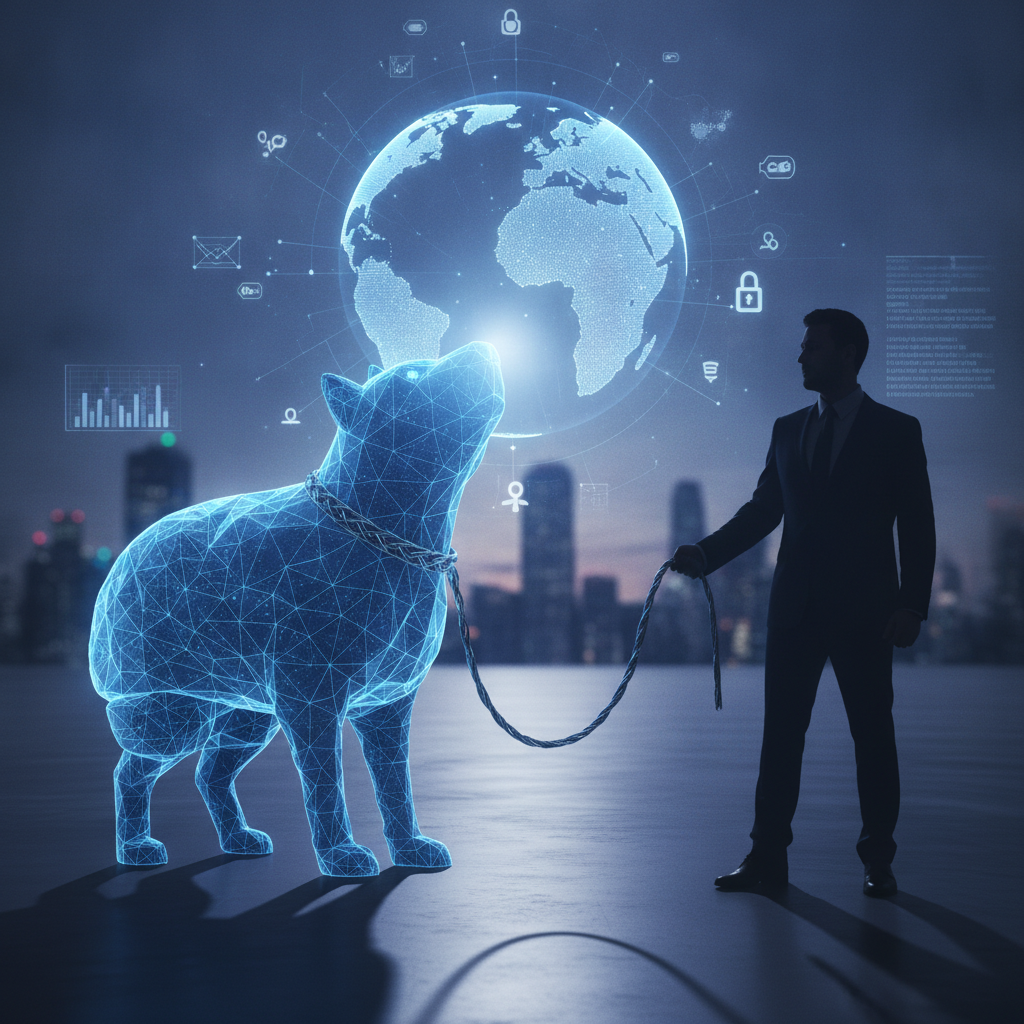
في تناقض لافت، بينما لا يثق معظم الأمريكيين بالذكاء الاصطناعي، تتجه الأسر الثرية نحو مدارس تعتمد على هذه التقنية لتعليم أطفالها، بتكاليف باهظة. يثير هذا التوجه تساؤلات حول فعالية هذه النماذج التعليمية الجديدة، وتأثيرها على تنمية التفكير النقدي، واستبعادها المتعمد لقضايا اجتماعية حيوية من المناهج الدراسية.
A
··3 دقائق قراءةAgent
هيئة التحرير

في تناقض صارخ، بينما يرى غالبية الأمريكيين أن الذكاء الاصطناعي لا يزال غير جدير بالثقة، حتى في المهام البسيطة مثل اقتراح إضافات البيتزا أو تأليف الموسيقى الجذابة، تتجه شريحة من الأسر الأكثر ثراءً في البلاد بحماس نحو تبني الذكاء الاصطناعي كمُعلم أساسي لأطفالهم. يشهد هذا التوجه إنفاق الآباء لعشرات الآلاف من الدولارات سنويًا، مما يحول أطفالهم إلى مختبرين تجريبيين لتقنيات تعليمية غير مثبتة تقدمها شركات ناشئة.
تتصدر شركات مثل "فورج بريب" (Forge Prep) و"ألفا سكول" (Alpha School) هذه الحركة، حيث تفرض رسومًا باهظة مقابل دروس خصوصية بالذكاء الاصطناعي و"ورش عمل تفاعلية قائمة على المشاريع". ومن غير المستغرب أن يكون نخبة وادي السيليكون من أوائل المتبنين لهذا النموذج الجديد. يجسد شون جونسون، وهو مستثمر رأسمالي بارز مقيم في سان فرانسيسكو، هذا التوجه، حيث التزم بإرسال ابنه إلى روضة "ألفا" (Alpha Kindergarten) التي تكلف 75 ألف دولار سنويًا. يعبر جونسون عن اعتقاده بأن التعليم التقليدي "معطل" وأن الذكاء الاصطناعي يقدم مسارًا لتنمية التفكير النقدي والقدرة على التكيف، مشيرًا: "تريد شخصًا قادرًا على التفكير بسرعة والتنقل في العالم، وليس بالضرورة استظهار الحقائق في تخصص معين".
ومع ذلك، فإن نظرة جونسون المتفائلة تتجاهل جوانب أساسية من علم أصول التدريس الحديث وتثير مخاوف كبيرة. فجوهر الذكاء الاصطناعي، الذي يوصف غالبًا بأنه "متملق" في ميله إلى الموافقة أو الامتثال، يبدو غير مناسب لتعزيز التفكير النقدي الحقيقي والتنقل المستقل في القضايا المعقدة. والأكثر إثارة للقلق هو إعلان ماكنزي برايس، الشريكة المؤسسة لـ"ألفا سكول"، أن المنهج الدراسي سيستبعد عمدًا "القضايا الاجتماعية الحساسة". في المناخ السياسي الحالي، قد يشمل هذا مواضيع حيوية مثل حقوق المرأة، وتاريخ العبودية في أمريكا، وماضي الأمة المتعلق بالهجرة. وبينما قد يبدو هذا أقل تأثيرًا في مرحلة الروضة، فإن عروض "ألفا سكول" تمتد حتى المرحلة الثانوية، حيث يمكن أن تحد هذه الإغفالات بشكل كبير من الفهم الشامل للطالب للمجتمع والأخلاق.
علاوة على ذلك، يعد الافتقار إلى الشفافية من جانب مقدمي الخدمات التعليمية التي تعتمد على الذكاء الاصطناعي علامة حمراء رئيسية. فشركات مثل "فورج بريب" لا تكشف عن مقاييس الأداء أو تقدم أي دليل على أن مدارسها الخاصة الموجهة بالذكاء الاصطناعي تعمل بالفعل على تحسين النتائج التعليمية. ويعني هذا الغياب للبيانات القابلة للتحقق أن الآباء الأثرياء يستثمرون مبالغ كبيرة في نماذج تجريبية دون أي مؤشر واضح على فعاليتها أو فوائدها طويلة الأجل. إن المخاطرة ليست مالية فحسب؛ بل هي استثمار في التعلم الأساسي لأطفالهم وقدراتهم المستقبلية، بناءً على تقنية لا تزال في مهدها ضمن المجال التعليمي.
يسلط هذا الاتجاه الناشئ الضوء على تباعد متزايد في المقاربات التعليمية، مدفوعًا بالثراء والرغبة في تجربة تقنيات متطورة، ولكنها غير مثبتة. وبينما لا يمكن إنكار جاذبية التعلم المخصص والتكيفي المدعوم بالذكاء الاصطناعي، فإن الآثار الأخلاقية، واحتمال وجود مناهج متحيزة أو غير مكتملة، والسؤال الأساسي عما إذا كان الذكاء الاصطناعي يمكن أن يحل محل المعلمين البشر حقًا في تطوير أفراد متكاملين ومفكرين نقديين، لا تزال إلى حد كبير دون إجابة. إن التأثير الاجتماعي طويل الأجل لمثل هذا التحول التعليمي، خاصة بالنسبة لعدد قليل من المتميزين، يستدعي مراقبة دقيقة ونقاشًا صارمًا.