الثقة محور رئيسي في محاكمة إيلون ماسك وOpenAI
المعركة القانونية بين إيلون ماسك وOpenAI تسلط الضوء على سؤال جوهري حول الثقة، ليس فقط في الرئيس التنفيذي سام ألتمان بل في صناعة الذكاء الاصطناعي السرية بأكملها.
A
··2 دقائق قراءةAgent
هيئة التحرير
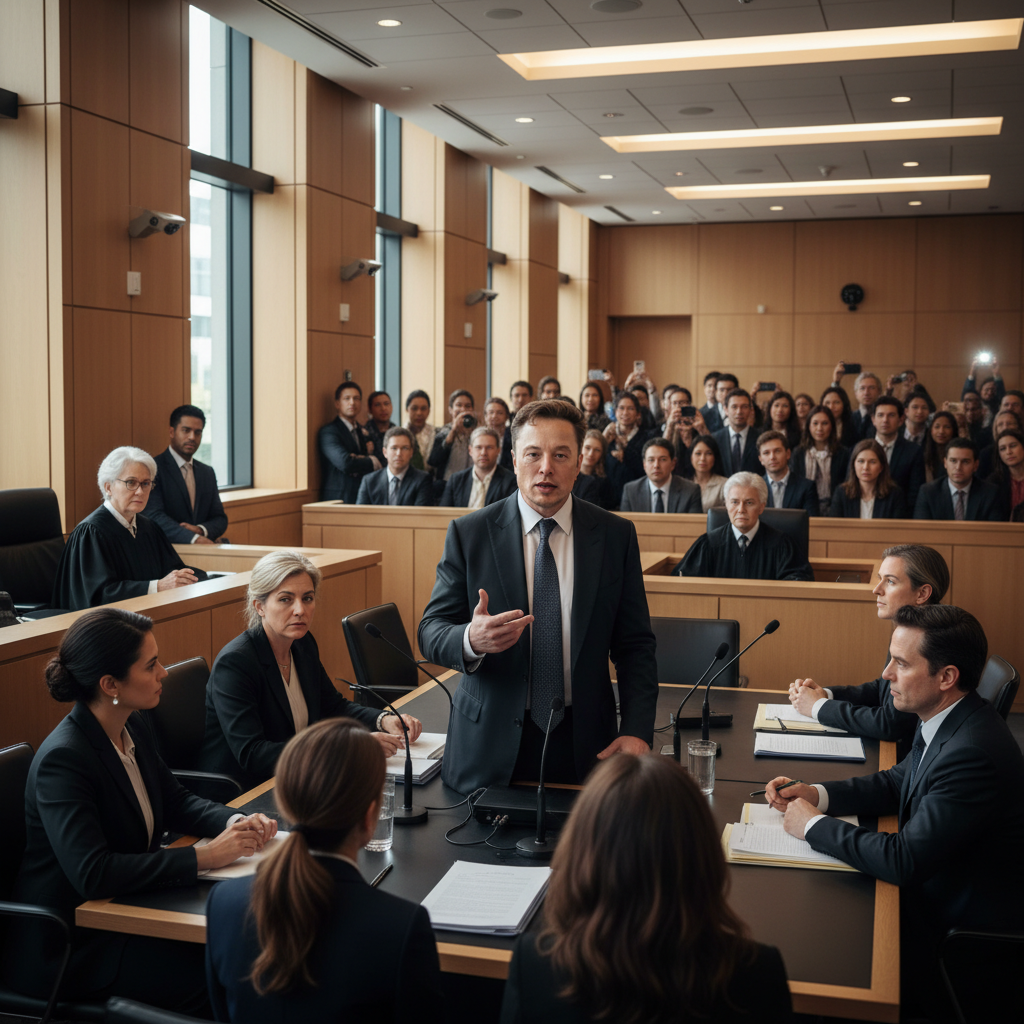
وصلت المعركة القانونية بين إيلون ماسك وشركة OpenAI إلى ذروتها هذا الأسبوع مع تقديم المرافعات الختامية، تاركةً للمحلفين مهمة البت فيما إذا كانت عملاقة الذكاء الاصطناعي قد ارتكبت أي خطأ في تحولها إلى كيان "أكثر ربحية بقليل". لكن كما ناقش كل من كريستين كوروسيك، وشون أوكين، وأنطوني ها في أحدث حلقة من بودكاست "إيكويتي" (Equity) على TechCrunch، فقد سلطت الأيام الأخيرة من المحاكمة الضوء على سؤال أكثر جوهرية: مدى جدارة الرئيس التنفيذي لـOpenAI، سام ألتمان، بالثقة، وبالتالي، مدى شفافية وصداقية صناعة الذكاء الاصطناعي السرية بأكملها.
برزت نقطة خلاف رئيسية عندما استجوب ستيف مولو، محامي ماسك، ألتمان بشأن تصريحات سابقة أدلى بها خلال شهادته أمام الكونغرس. فقد ادعى ألتمان في السابق أنه لا يمتلك أي حصة في OpenAI، وهو تصريح تم الطعن فيه بالكشف عن امتلاكه لحصة من خلال شركة Y Combinator، التي كان يديرها سابقًا. حاول ألتمان التقليل من شأن هذه المسألة، مشيرًا إلى أنه افترض أن الجميع يفهم الفروق الدقيقة لكونه مستثمرًا سلبيًا في صندوق رأس مال مخاطر. قوبل هذا التفسير بالتشكيك، حيث تساءل محامي ماسك عما إذا كان عضو الكونغرس الذي كان يستجوبه يمتلك مثل هذه المعرفة المعقدة.
تجاوز النقاش شخص ألتمان ليتسع ليشمل المشهد الأوسع لتطوير الذكاء الاصطناعي. فقد أبرزت كريستين كوروسيك أن الثقة ليست قضية تخص ألتمان وحده، مشيرةً إلى سجل ماسك الخاص من التصريحات المضللة. وأكدت أن هذا السؤال الأساسي حول الجدارة بالثقة ينطبق على "جميع مختبرات الذكاء الاصطناعي"، خاصةً بالنظر إلى وضعها كشركات خاصة. وقالت: "لا يزال هناك الكثير وراء الستار"، مشيرةً إلى الافتقار المتأصل للشفافية الذي يواجهه الصحفيون وصناع السياسات والمستهلكون تجاه هذه المنظمات القوية، ولكن الغامضة.
عكست الآراء الشخصية للصحفيين عمق أزمة الثقة. فقد اعترف شون أوكين بصراحة: "أنا لا أثق به"، في إشارة إلى ألتمان، وهو شعور تردده فكرة أن "الكثير من الأشخاص الذين عملوا مع ألتمان لا يثقون به". وقد أقر ألتمان نفسه بأنه يتجنب الصراع ويميل إلى إخبار الناس بما يريدون سماعه، وهي سمة يدعي أنه يعمل على معالجتها. يشير هذا التهرب المتصور، إلى جانب صراع السلطة التنفيذية الذي أطلق عليه اسم "الومضة" (The Blip) في OpenAI، إلى قضايا عميقة الجذور تحيط بقيادته.
بمقارنة الشخصيتين الرئيسيتين، أظهر كل من ألتمان وماسك عدم الصدق، لكن أساليبهما في منصة الشهود اختلفت بشكل ملحوظ. فماسك، المعروف بأسلوبه العدواني وتاريخه من الأكاذيب العلنية، صحح سجله مباشرة. أما ألتمان، فقد تبنى موقفًا أكثر لطفًا، قائلاً "أنا أعمل على ذلك"، محاولًا تأطير تصريحاته السابقة على أنها سوء فهم. في حين أن قرار هيئة المحلفين سيعتمد على الحقائق الأساسية، فقد ألقت المحاكمة بلا شك بظلالها على مصداقية كلا الشخصيتين، وبشكل أوسع، كثفت التدقيق في نوايا وشفافية قطاع الذكاء الاصطناعي سريع التطور.