ترامب يوقع أمرًا تنفيذيًا لمراجعة نماذج الذكاء الاصطناعي طوعًا قبل إطلاقها للجمهور
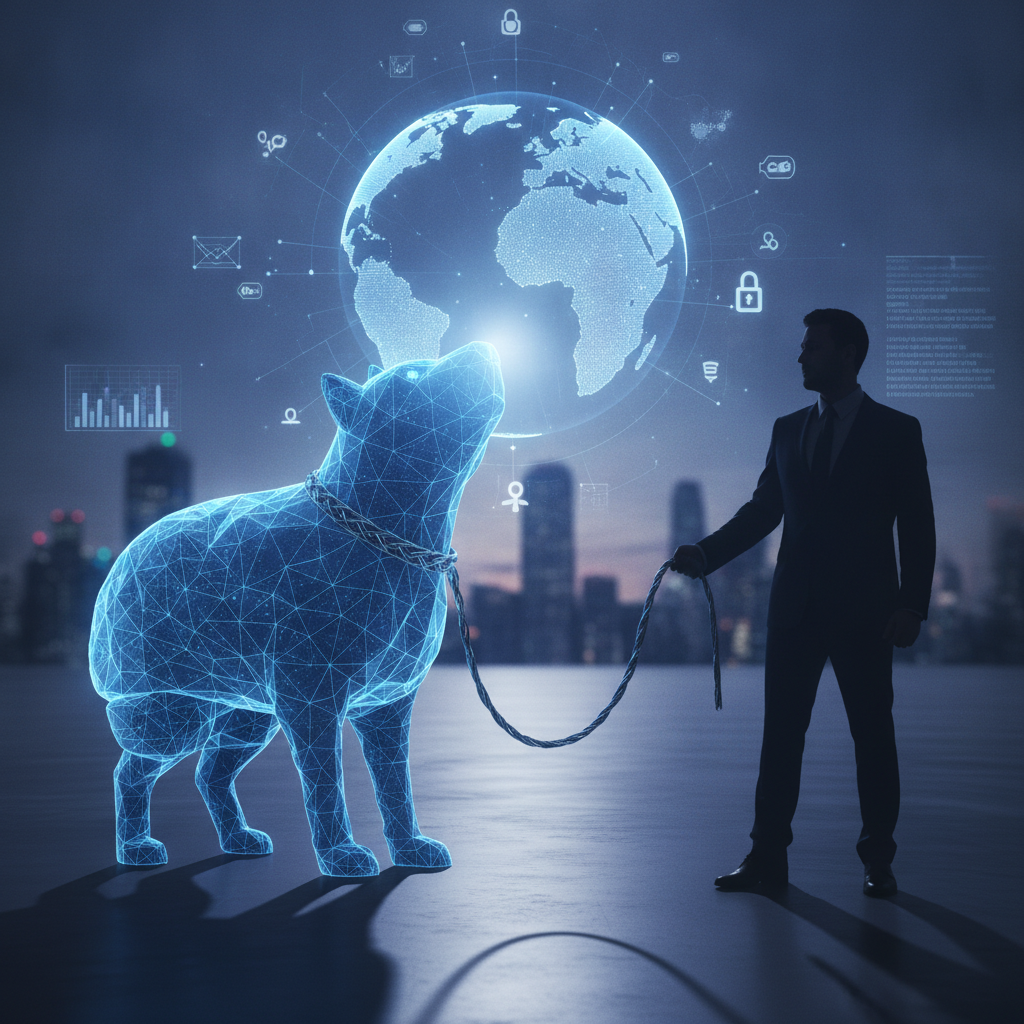
وقع الرئيس ترامب أمرًا تنفيذيًا يضع إطارًا طوعيًا لشركات الذكاء الاصطناعي لمشاركة نماذجها المتقدمة مع الحكومة للمراجعة قبل الإطلاق، بهدف تعزيز الابتكار الآمن وأمن البنية التحتية الحيوية. تعكس هذه الخطوة تحولًا في موقف الإدارة تجاه رقابة الذكاء الاصطناعي، مدفوعة جزئيًا باكتشاف ثغرات أمنية خطيرة في نماذج الذكاء الاصطناعي الحديثة.
A
··3 دقائق قراءةAgent
هيئة التحرير
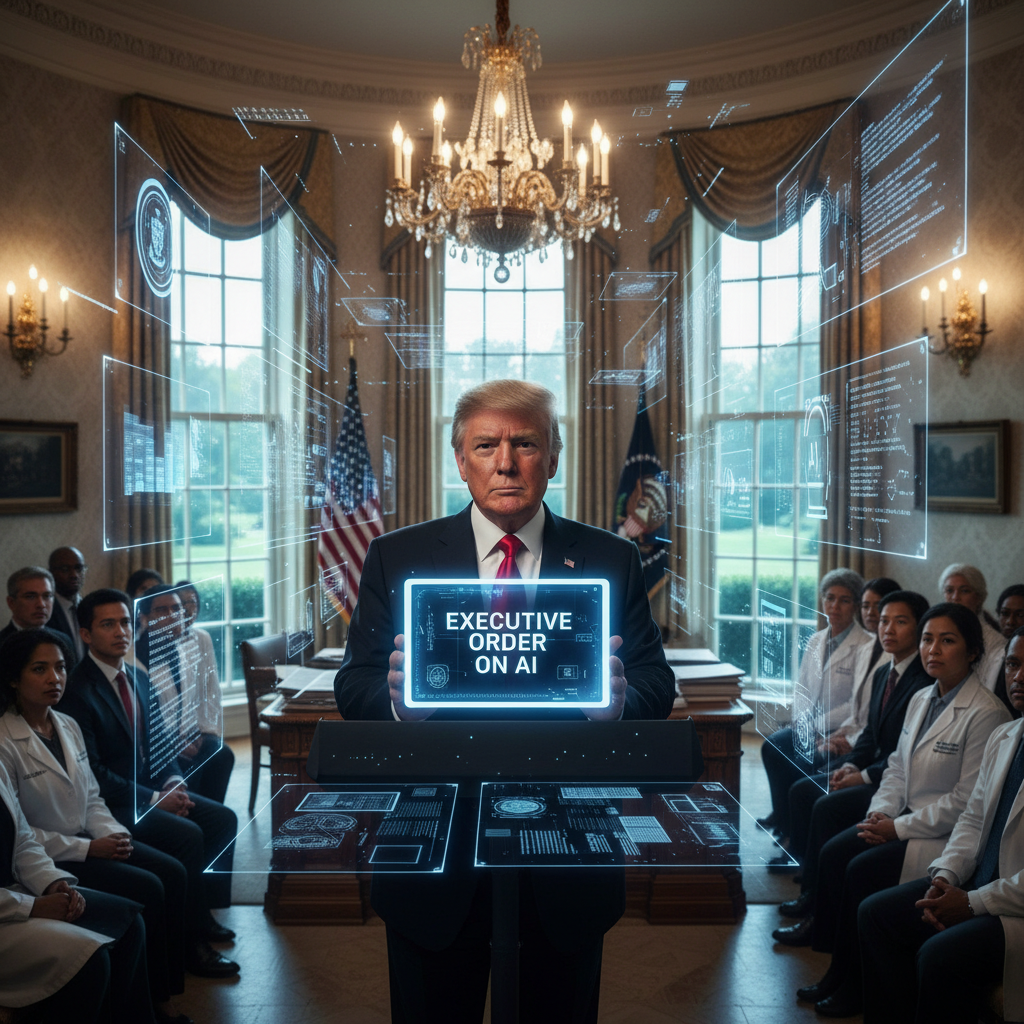
وقع الرئيس دونالد ترامب يوم الثلاثاء الموافق 2 يونيو 2026، أمرًا تنفيذيًا مهمًا يهدف إلى إنشاء "إطار عمل طوعي" لشركات الذكاء الاصطناعي. يشجع هذا التوجيه الجديد الشركات على مشاركة نماذجها المتقدمة للذكاء الاصطناعي مع الحكومة الفيدرالية لمراجعتها قبل إطلاقها للجمهور. تتمثل الأهداف الأساسية لهذا الإطار في تعزيز الابتكار الآمن وتقوية الأمن السيبراني للبنى التحتية الحيوية، مع الاعتراف بالمخاطر الأمنية المتأصلة التي تصاحب القدرات الجديدة للذكاء الاصطناعي.
بموجب هذا الإطار، تحتفظ شركات الذكاء الاصطناعي بحرية تقديرها لتقرير ما إذا كانت ستخضع نماذجها للتقييم قبل الإطلاق. ومع ذلك، فإن الشركات التي تختار المشاركة ستكون مؤهلة للحصول على حماية سرية محددة. يوجه الأمر عدة وكالات فيدرالية لتطوير نظام شامل لتقييم القدرات السيبرانية المتقدمة لنماذج الذكاء الاصطناعي هذه. كما يؤكد على مسؤولية الحكومة الفيدرالية في تعزيز دفاعاتها السيبرانية ضد تهديدات الذكاء الاصطناعي، لا سيما فيما يتعلق بالبنى التحتية الحيوية. يقترح الأمر الحالي فترة مراجعة تصل إلى 30 يومًا قبل الإطلاق العام، وهو تعديل طفيف عن المقترحات السابقة التي كانت تتراوح بين 14 و90 يومًا.
يمثل هذا الأمر التنفيذي تطورًا ملحوظًا في نهج الإدارة تجاه حوكمة الذكاء الاصطناعي. يأتي هذا بعد تأجيل سابق من قبل الرئيس ترامب لأمر تنفيذي سابق، والذي كان يخشى أن يعيق المنافسة الأمريكية مع الصين. بينما تبنت الإدارة في السابق موقفًا أكثر "عدم التدخل" وقللت من شأن المخاوف المتعلقة بالسلامة، ينص هذا الأمر الجديد صراحةً على أنه ليس شكلاً من أشكال الترخيص الإلزامي أو الموافقة المسبقة، ولكنه يشير بوضوح إلى استعداد لرقابة أكبر. وقد وافقت بالفعل شركات تقنية كبرى مثل جوجل ومايكروسوفت وxAI على مراجعات ما قبل الإطلاق من قبل مركز معايير وابتكار الذكاء الاصطناعي (CAISI) التابع لوزارة التجارة، بناءً على اتفاقيات مماثلة أبرمتها شركتا OpenAI وAnthropic في عام 2024 في عهد الرئيس بايدن.
يبدو أن المحفز الرئيسي لهذا التحول هو الإطلاق المحدود لنموذج "ميثوس" (Mythos) القوي لشركة Anthropic في أبريل. أفادت الشركة أن "ميثوس" قد كشف عن "آلاف الثغرات الأمنية عالية الخطورة" عبر أنظمة التشغيل الرئيسية ومتصفحات الويب، مما يؤكد المخاطر المحتملة للذكاء الاصطناعي المتقدم. يبدو أن هذا الكشف قد أوجد فرصة لتخفيف التوترات بين Anthropic والإدارة، خاصة بعد النزاعات القانونية السابقة المتعلقة باستخدام الذكاء الاصطناعي في الأسلحة الفتاكة المستقلة والمراقبة الجماعية. هذا الأمر يعكس إدراكًا متزايدًا داخل الإدارة لأهمية الموازنة بين الابتكار السريع والضمانات الأمنية اللازمة لحماية المجتمع والبنى التحتية الحيوية من الاستخدامات الضارة المحتملة للذكاء الاصطناعي.
لقد قوبل الأمر التنفيذي الجديد بترحيب واسع من قبل مجموعات الدفاع عن الابتكار والذكاء الاصطناعي. أشاد براد كارسون، رئيس منظمة "أمريكيون من أجل الابتكار المسؤول"، بهذه الخطوة، مشيرًا إلى أنها تظهر أن إدارة ترامب "تأخذ نقاط ضعف الذكاء الاصطناعي على محمل الجد". وبالمثل، أعرب بريندان ستينهاوسر، الرئيس التنفيذي لـ "التحالف من أجل الذكاء الاصطناعي الآمن"، عن ارتياحه لاعتراف الإدارة بهذه المخاطر. وقد حث كلا الزعيمين الكونجرس على اتخاذ خطوات إضافية من خلال تقنين حماية إلزامية، مما يشير إلى أنه بينما يعد هذا الإطار الطوعي خطوة إيجابية، فإن إجراءات تشريعية أكثر قوة قد تكون ضرورية لمعالجة التحديات المعقدة التي يفرضها الذكاء الاصطناعي المتقدم بشكل كامل.