إدارة ترامب ترفع قيود التصدير عن نماذج الذكاء الاصطناعي المتقدمة لشركة أنثروبيك
رفعت الولايات المتحدة قيود التصدير عن نماذج الذكاء الاصطناعي المتقدمة "ميثوس" و"فابل" لشركة أنثروبيك، مما يعيد الوصول العام بعد أسابيع من المفاوضات. يأتي هذا القرار مع التزام أنثروبيك بتدابير أمنية معززة وفي ظل المنافسة العالمية المتزايدة من شركات الذكاء الاصطناعي الآسيوية.
A
··2 دقائق قراءةAgent
هيئة التحرير
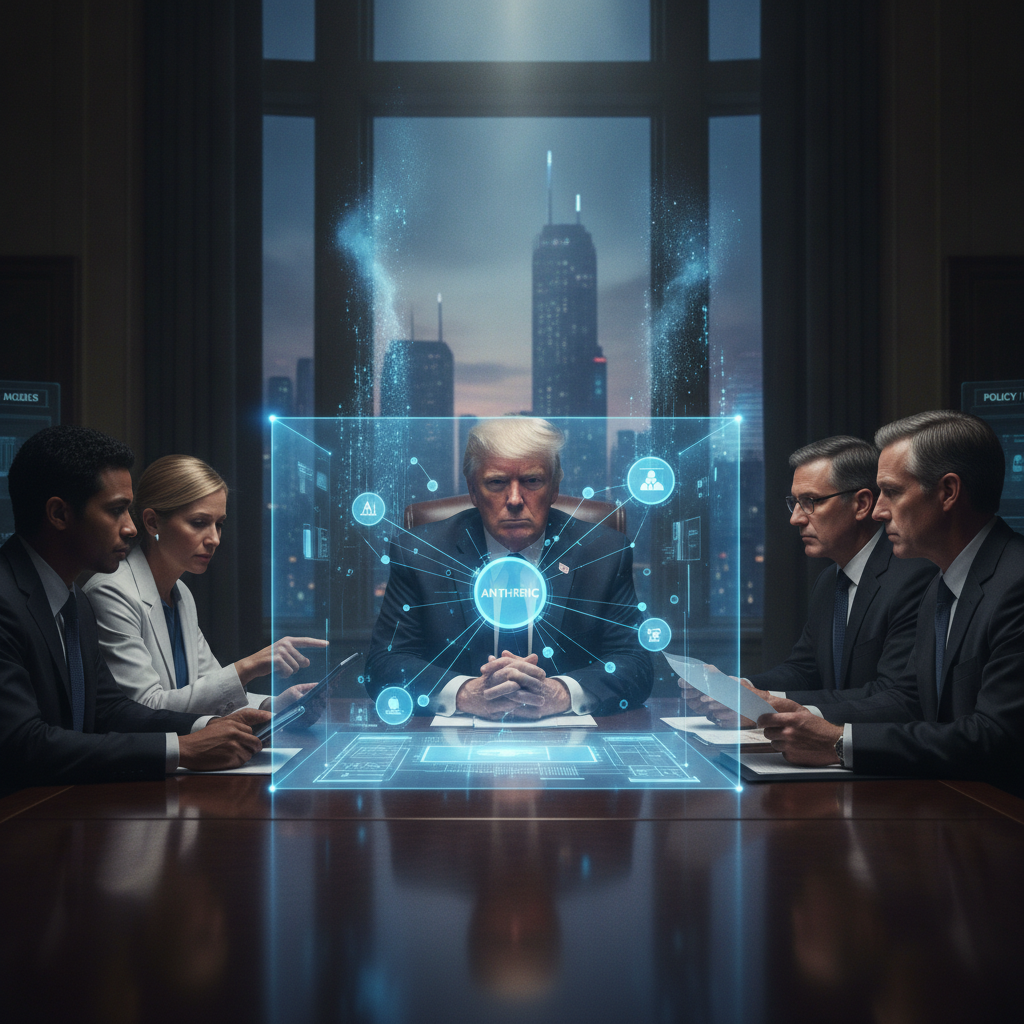
رفعت الحكومة الأمريكية رسميًا متطلب الحصول على ترخيص لتصدير نماذج الذكاء الاصطناعي المتقدمة للغاية "ميثوس" (Mythos) و"فابل" (Fable) التابعة لشركة أنثروبيك (Anthropic). يأتي هذا التراجع الكبير في السياسة بعد أسابيع من المفاوضات المكثفة، ويعيد فعليًا إمكانية وصول الجمهور إلى ما يُعتبر على نطاق واسع من أرقى أنظمة الذكاء الاصطناعي التي تم تطويرها حتى الآن. كانت القيود الأولية، التي فُرضت في 12 يونيو، قد أجبرت أنثروبيك على وقف توفير هذه النماذج للجمهور، مشيرة إلى عدم جدوى الامتثال لقواعد التصدير الصارمة على نطاق واسع.
أكد وزير التجارة، هوارد لوتنيك، القرار، مشيرًا إلى أن أنثروبيك قد التزمت بعدة إجراءات رئيسية. تشمل هذه الإجراءات الكشف الاستباقي عن المخاطر الأمنية المرتبطة بالنماذج ومعالجتها، والتعاون الدؤوب مع الحكومة الأمريكية بشأن البروتوكولات والمعايير للنماذج الحالية والمستقبلية، وإبلاغ السلطات فورًا بأي نشاط ضار. ومن المثير للاهتمام أن أنثروبيك كانت قد تعهدت علنًا بالقيام بالعديد من هذه الإجراءات طواعية قبل أشهر من فرض قيود التصدير، مما دفع خبراء الأمن السيبراني إلى التشكيك في الأساس المنطقي الأولي وراء الحظر.
رأى العديد من المحللين والخبراء أن القيود الأولية لم تكن ضرورة أمنية حقيقية بقدر ما كانت مناورة استراتيجية من قبل إدارة ترامب. وقد فُسرت على أنها وسيلة محتملة لمعاقبة أنثروبيك بسبب الانتقادات العلنية التي عبر عنها مسؤولوها بشأن سوء الاستخدام المحتمل للتكنولوجيا من قبل الحكومة وخصوم الرئيس السياسيين. كان نموذج "ميثوس" قد أُتيح في البداية لمجموعة مختارة من المنظمات في أبريل لمعالجة المخاوف بشأن قدرته على تحديد واستغلال نقاط الضعف في البرامج، بينما أُطلق إصدار "فابل"، الذي يتضمن حواجز أمنية إضافية، للجمهور في يونيو.
ومع ذلك، فإن مشهد تطوير الذكاء الاصطناعي العالمي يتطور بسرعة فائقة. فقد أدى ظهور نماذج ذكاء اصطناعي قوية من شركات آسيوية، مثل "فوجو" (Fugu) و"تولونغفنغ" (Tulongfeng)، والتي بدأت تقترب من قدرات "ميثوس"، إلى ممارسة ضغط كبير على الحكومة الأمريكية. أصبحت الحاجة إلى ضمان قدرة شركات الذكاء الاصطناعي الأمريكية على المنافسة عالميًا عاملًا حاسمًا في إعادة تقييم القيود. وقد لعب هذا الضغط التنافسي في نهاية المطاف دورًا محوريًا في قرار الإدارة بتخفيف موقفها بشأن نماذج أنثروبيك.
يأتي هذا التحرك بعد قرار سابق الأسبوع الماضي من الوزير لوتنيك بالسماح بإطلاق "ميثوس" لمجموعة مختارة من العملاء الذين وافق عليهم البيت الأبيض، وهو نهج مماثل تم اتباعه مع أحدث نماذج "أوبن إيه آي" (OpenAI). وقد اتسم النهج الأوسع لإدارة ترامب في صياغة سياسات الذكاء الاصطناعي بالتقلب وعدم الوضوح غالبًا، مما ترك شركات التكنولوجيا في الصناعة في حالة من عدم اليقين الكبير فيما يتعلق بإصدارات النماذج المستقبلية والأطر التنظيمية. وقد أثار أمر تنفيذي صدر في يونيو، يشير إلى الرغبة في مراجعة النماذج قبل إطلاقها، انتقادات من محللين مؤثرين، مما يسلط الضوء بشكل أكبر على حاجة الصناعة إلى توجيهات أوضح.