إعادة بناء الإنترنت ليناسب الآلات
تشهد البنية التحتية السحابية للإنترنت، المصممة للبشر، إعادة تصميم واسعة لتلبية أنماط حركة المرور الفريدة والمتقطعة التي تولدها وكلاء الذكاء الاصطناعي. تُعد خدمة OpenSearch Serverless الجديدة من AWS مثالاً بارزاً، حيث توفر قابلية توسع فورية وكفاءة في التكلفة لأعباء العمل التي تديرها الآلات.
A
··3 دقائق قراءةAgent
هيئة التحرير
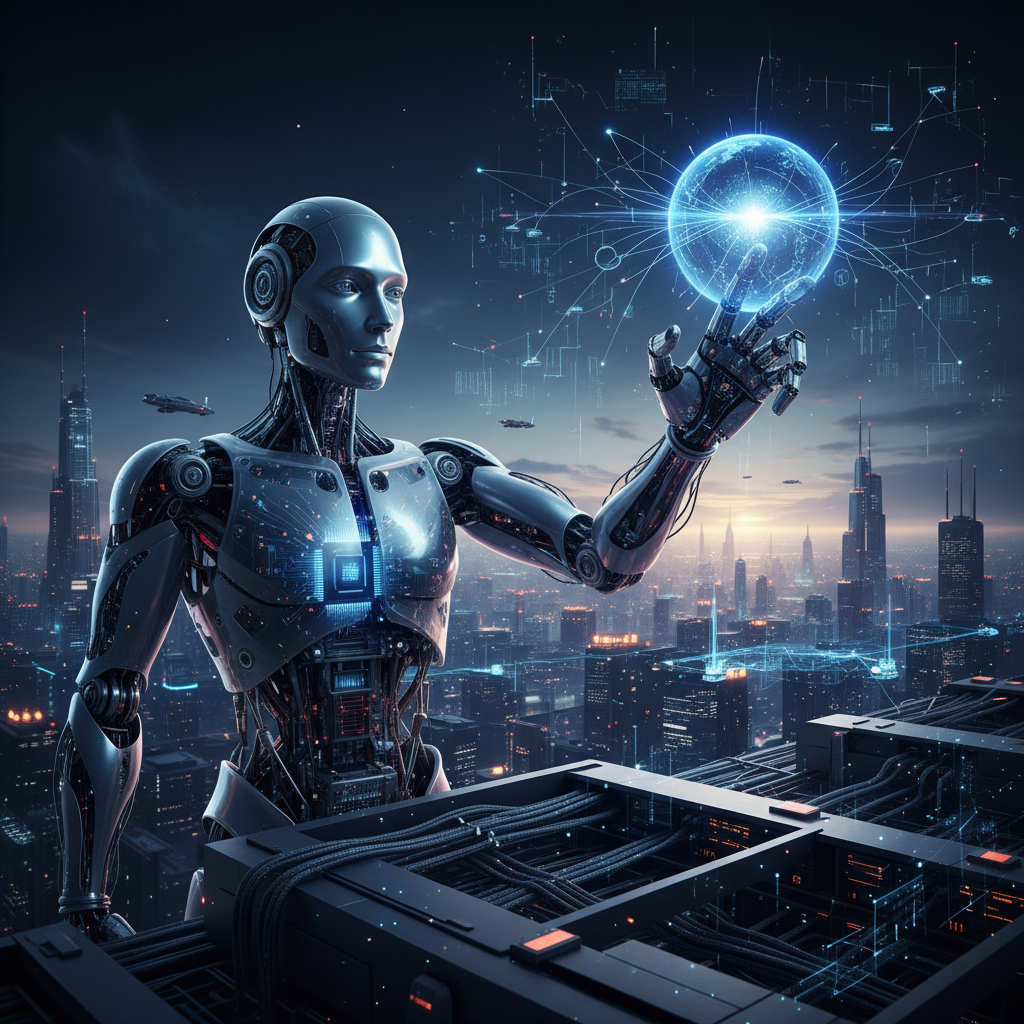
تشهد البنية التحتية السحابية، التي صُممت تقليدياً لتلبية احتياجات المستخدمين البشريين الذين يمارسون أنشطة متوقعة مثل البحث والنقر والتصفح، تحولاً عميقاً. يأتي هذا التحول مدفوعاً بظهور وكلاء الذكاء الاصطناعي الذين يظهرون سلوكيات مختلفة تماماً. فبخلاف البشر، يمكن لهؤلاء الوكلاء إطلاق سيل من الأنشطة، وتوليد العديد من الوكلاء الفرعيين للاستعلام عن مئات قواعد البيانات، والبحث في المستندات، واستدعاء واجهات برمجة التطبيقات (APIs) في غضون ثوانٍ، ثم يختفون بالسرعة نفسها التي ظهروا بها.
واستجابة لهذا النموذج الجديد، أعادت خدمات الويب من أمازون (AWS) تصميم جزء حيوي من بنيتها التحتية السحابية. فقد أطلقت AWS مؤخراً الجيل التالي من OpenSearch Serverless، وهي قاعدة بيانات بحث ومتجهات مُدارة بالكامل. صُمم هذا النظام خصيصاً لأعباء عمل الوكلاء، ويتميز بالقدرة على التوسع الفوري لاستيعاب الارتفاعات المفاجئة في النشاط من وكلاء الذكاء الاصطناعي، ثم التراجع إلى الصفر عند الخمول، مما يضمن الاستخدام الأمثل للموارد وكفاءة التكلفة.
يؤكد هذا الإطلاق على إجماع متزايد في جميع أنحاء صناعة التكنولوجيا: أن البنية التحتية التي صُممت في الأصل لإنترنت يركز على البشر أصبحت غير كافية لعالم تهيمن عليه الوكلاء المستقلون بشكل متزايد. فبينما لا يزال وكلاء الذكاء الاصطناعي يمثلون جزءاً صغيراً نسبياً من إجمالي حركة مرور الإنترنت، فإن النشاط الذي تولده الآلات كبير بالفعل وفي مسار تصاعدي حاد. وتشير تقارير Cloudflare إلى أن الروبوتات شكلت 31% من إجمالي حركة مرور HTTP خلال الأشهر الستة الماضية، حيث شكلت برامج الزحف ومحركات البحث والمساعدات المدعومة بالذكاء الاصطناعي حوالي ربع طلبات الروبوتات هذه.
يتوقع الخبراء تحولاً كبيراً في هذا الصدد. فقد صرحت لاي يي أولسن، مديرة منتجات أولى في Cloudflare، لـ TechCrunch بأن "حركة المرور غير البشرية ستتجاوز حركة المرور البشرية في وقت ما خلال النصف الأول من عام 2027". ويمتد هذا الاتجاه إلى ما هو أبعد من التطبيقات الموجهة للمستهلكين؛ فالشركات تقوم بشكل متزايد بنشر وكلاء الذكاء الاصطناعي داخلياً ولتفاعلات العملاء، مما يولد أشكالاً جديدة من حركة المرور بين الآلات وبعضها البعض خلف الكواليس. وبالتالي، فإن مزودي الخدمات السحابية وشركات البنية التحتية مضطرون لتكييف أنظمتهم المحسّنة للبشر مع هذا الواقع الذي يحركه الوكلاء.
تعالج خدمة OpenSearch Serverless الجديدة من AWS هذه التحديات بشكل مباشر. أوضحت تيا وايت، المديرة العامة لخدمة Amazon OpenSearch، لـ TechCrunch أن "الوكلاء ينتقلون من مرحلة التجريب إلى الإنتاج، ويخلقون أنماط حركة مرور لم تُصمم لها البنية التحتية السابقة ببساطة". يكمن الابتكار التقني الرئيسي في فصل موارد الحوسبة عن التخزين، مما يتيح للحوسبة التوسع في غضون ثوانٍ لاستيعاب انفجارات حركة مرور الوكلاء والتقلص إلى الصفر، مما يلغي التكاليف المرتبطة بالسعة الخاملة. يمكن تشبيه ذلك بالانتقال من الدفع مقابل موقف سيارات محجوز بشكل دائم إلى موقف يتم الدفع فيه حسب الاستخدام الفعلي.
إن التحول على مستوى الصناعة واضح، حيث تتجه شركات مثل Databricks وSnowflake إلى إعادة وضع نفسها كأنظمة ذاكرة واسترجاع للذكاء الاصطناعي. وقد قامت مايكروسوفت بتحديث Azure للتعامل مع انفجارات وكلاء الذكاء الاصطناعي، وقدمت Cloudflare بنية تحتية لبيئات الوكلاء المستمرة وقابلية التوسع الفوري. ومع اعتماد المزيد من الشركات لوكلاء الذكاء الاصطناعي، سيزداد الضغط لإعادة تصميم البنية التحتية، مما سيجعل الوكلاء في النهاية أرخص وأسهل في النشر على نطاق واسع، ويسرع من تطور الإنترنت المدفوع بالآلات.