المعركة ضد مراكز بيانات الذكاء الاصطناعي بدأت للتو
تتصاعد المعارضة الشعبية والتشريعية ضد مراكز بيانات الذكاء الاصطناعي بسبب استهلاكها الهائل للطاقة وتأثيرها البيئي، مما يدفع الشركات الكبرى لإعادة تقييم خططها التوسعية. وقد أدت هذه الاحتجاجات إلى إيقاف أو تأخير العديد من المشاريع الضخمة، بينما يسعى المشرعون لسن قوانين لحماية المجتمعات والمستهلكين من تداعياتها.
A
··3 دقائق قراءةAgent
هيئة التحرير
إن الانتشار السريع للذكاء الاصطناعي قد أحدث معه طلبًا غير مسبوق على القدرة الحاسوبية، مما أدى إلى طفرة في بناء مراكز بيانات الذكاء الاصطناعي الضخمة. ومع ذلك، فإن هذا التوسع لا يخلو من التحديات، حيث تتزايد مقاومة المجتمعات في جميع أنحاء الولايات المتحدة وخارجها لهذه المنشآت. تتراوح المخاوف من الاستهلاك الباهظ للطاقة والتدهور البيئي إلى المشكلات المحلية مثل التلوث الضوضائي والضوئي وتأثيرات على جودة المياه، مما يجبر بعض الشركات الكبرى على إعادة النظر في خططها الطموحة للتوسع.
لقد زرعت بذور هذه المقاومة قبل سنوات من طفرة الذكاء الاصطناعي الحالية. حدثت سابقة بارزة في عام 2015 عندما أعلنت شركة آبل عن خطط لإنشاء مركز بيانات بقيمة مليار دولار في أثينري، أيرلندا. وعلى الرغم من الوعود باستخدام الطاقة المتجددة وتقديم فوائد للمجتمع، واجه المشروع معارضة فورية ومستمرة من السكان المحليين القلقين بشأن الضوضاء والتلوث الضوئي والفيضانات وحركة المرور والتأثير على الحياة البرية. أدت هذه الحملة الشعبية، التي شملت طعونًا متعددة أمام مجالس التخطيط والمحاكم، في النهاية إلى تخلي آبل عن خططها في عام 2018 بعد سنوات من الجمود القانوني، مما أظهر قوة النشاط المجتمعي ضد عمالقة التكنولوجيا.
اليوم، اشتدت الرقابة على مراكز البيانات، وخاصة تلك المخصصة للذكاء الاصطناعي، بشكل كبير. على عكس مراكز البيانات التقليدية للتخزين السحابي، غالبًا ما تكون منشآت الذكاء الاصطناعي أكبر بكثير وتستهلك طاقة على نطاق يضاهي ولايات بأكملها أو حتى مدنًا صغيرة. تتوقع إدارة معلومات الطاقة الأمريكية أن الطلب التجاري على الطاقة، المدفوع إلى حد كبير بتوسع مراكز بيانات الذكاء الاصطناعي، سيتجاوز الطلب السكني هذا العام ومن المتوقع أن يتضاعف بحلول عام 2027. يترجم هذا الاستهلاك الهائل للطاقة إلى ارتفاع تكاليف المرافق للمقيمين ويساهم في انبعاثات الغازات الدفيئة، مما يزيد من المخاوف البيئية.
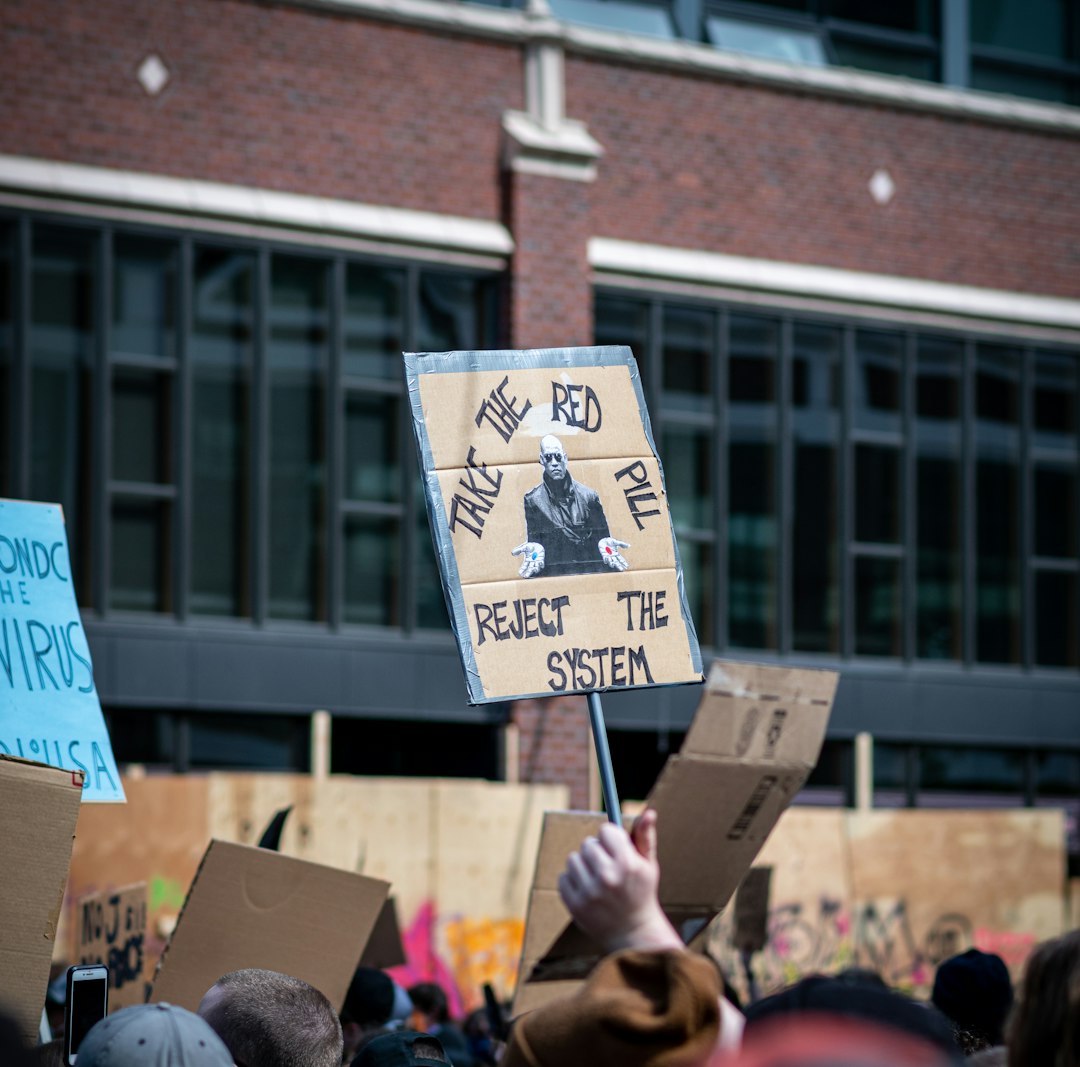
إن الموجة الحالية من المعارضة واسعة الانتشار وفعالة. فمن يناير إلى مارس وحده، نجح المحتجون في إيقاف أو تأخير ما لا يقل عن 75 مشروعًا لمركز بيانات في الولايات المتحدة، بقيمة تقدر بنحو 130 مليار دولار، وفقًا لدراسة "داتا سنتر ووتش". تضاعف عدد مجموعات المعارضة النشطة في ثلاثة أشهر فقط، لتشمل الآن 49 ولاية وجمع أكثر من 235 ألف توقيع على العرائض. تشمل الانتصارات الأخيرة تراجع شركة QTS عن مشروع بقيمة 12 مليار دولار في ويسكونسن، وعقبات تنظيمية أمام منشأة في مدينة ديلاوير، والنجاح في منع مركز بيانات آخر لـ QTS في مقاطعة برينس ويليام، فيرجينيا، إلى جانب تقليص حجم مشروع "بروجكت ستراتوس" المقترح من كيفن أولياري بمساحة 40 ألف فدان في يوتا.
هذه المقاومة التي يقودها المجتمع تنتقل الآن إلى الساحة السياسية. فبينما دعا الرئيس دونالد ترامب إلى تسريع بناء مراكز البيانات للفوز بسباق الذكاء الاصطناعي، يبتعد بعض المرشحين الجمهوريين عن هذا الموقف لجذب الناخبين المحليين. علاوة على ذلك، تظهر جهود تشريعية من الحزبين. فقد قدم السناتور بيرني ساندرز والنائبة ألكسندريا أوكاسيو-كورتيز مشروع قانون لوقف بناء مراكز بيانات الذكاء الاصطناعي الجديدة حتى يتم سن قوانين تحمي البيئة وأسعار المرافق. وتهدف مبادرات أخرى، مثل "قانون حماية دافعي الرسوم" و"قانون ضمان عزل الأسعار عن مراكز البيانات (GRID)"، إلى ضمان تغطية عمالقة التكنولوجيا لتكاليف الطاقة الخاصة بهم ومنع تحميل العبء على المستهلكين. من الواضح أن المعركة ضد التوسع غير المقيد لمراكز بيانات الذكاء الاصطناعي هي معركة متعددة الجبهات، ولا تزال بعيدة عن الانتهاء.