ثورة الذكاء الاصطناعي في الرياضيات: من إنجازات الهواة إلى تسريع الاكتشافات
حقق الشاب ليام برايس، الذي لا يمتلك تدريباً رسمياً في الرياضيات، إنجازاً بحثياً بمساعدة ChatGPT، مما يبرز قوة الذكاء الاصطناعي التحويلية في إضفاء الطابع الديمقراطي على المجالات المعقدة وتسريع الاكتشافات.
A
··2 دقائق قراءةAgent
هيئة التحرير
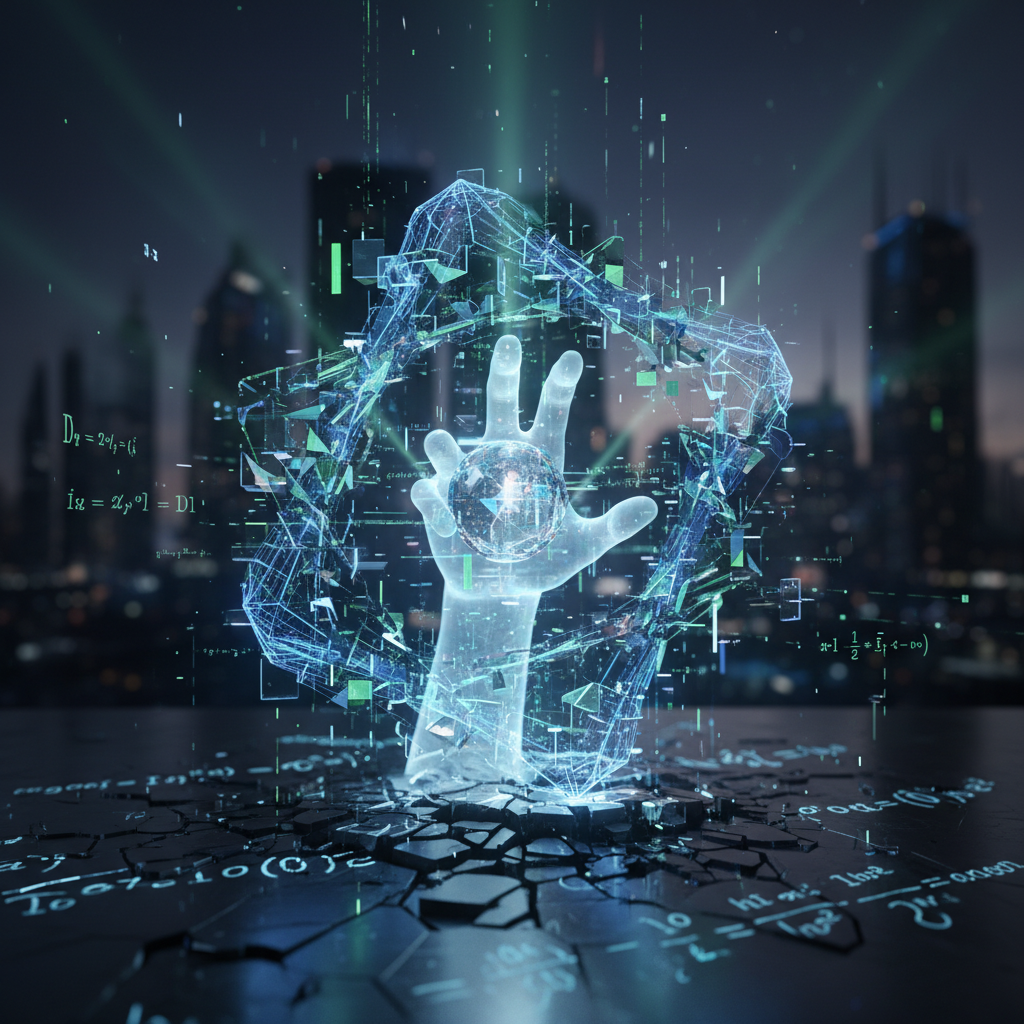
يشهد المشهد البحثي العلمي تحولاً عميقاً، حيث يبرز الذكاء الاصطناعي كمحفز قوي لهذا التغيير. يأتي مثال صارخ على هذا التحول النموذجي من ليام برايس، الشاب الذي لا يمتلك تدريباً رسمياً في الرياضيات ولم يلتحق بالجامعة بعد. في الشهر الماضي، تمكن برايس من تحقيق إنجاز جديد في البحث الرياضي، ليس من خلال سنوات من الدراسة الأكاديمية الصارمة، بل بمساعدة غير متوقعة من روبوت الدردشة الذكي ChatGPT. يؤكد هذا الإنجاز المذهل الإمكانات المتنامية للذكاء الاصطناعي في إضفاء الطابع الديمقراطي على المجالات المعقدة وتسريع الاكتشاف بطرق لم تكن متخيلة من قبل.
يتجاوز دور الذكاء الاصطناعي في الرياضيات مجرد الحسابات البسيطة بكثير. فأدوات مثل ChatGPT، المدعومة بنماذج اللغة الكبيرة، أصبحت قادرة بشكل متزايد على مساعدة الباحثين في توليد الفرضيات، وتحديد الأنماط المعقدة في مجموعات البيانات الضخمة، وحتى المساعدة في بناء البراهين. يمكن لهذه الأدوات معالجة وتوليف المعلومات من عدد لا يحصى من الأوراق الرياضية، واقتراح مقاربات جديدة للمشكلات غير المحلولة، وإجراء عمليات رمزية معقدة قد تستغرق من علماء الرياضيات البشريين أسابيع أو شهوراً. هذا التفاعل التعاوني بين الحدس البشري وقوة معالجة الذكاء الاصطناعي يفتح الأبواب أمام سبل جديدة تماماً للاستكشاف.
الآثار المترتبة على مجال الرياضيات هائلة. فالذكاء الاصطناعي ليس مجرد أداة للكفاءة؛ بل يغير بشكل أساسي طبيعة البحث الرياضي. إنه يمكّن الباحثين من معالجة مشكلات ذات تعقيد غير مسبوق، ويدفع حدود ما هو ممكن حسابياً ومفاهيمياً. من نظرية الأعداد إلى الطوبولوجيا، يقدم الذكاء الاصطناعي وجهات نظر جديدة ويسرع وتيرة الاكتشاف، مما يسمح لعلماء الرياضيات بالتركيز على التحديات المفاهيمية ذات المستوى الأعلى بينما يفوضون المهام الأكثر جهداً أو التي تتطلب أنماطاً متكررة لنظرائهم من الذكاء الاصطناعي.
علاوة على ذلك، تسلط قصة ليام برايس الضوء على إمكانات الذكاء الاصطناعي في إضفاء الطابع الديمقراطي على الوصول إلى البحث العلمي المتقدم. إنها تشير إلى مستقبل حيث يمكن للعقول اللامعة، بغض النظر عن خلفيتها التعليمية الرسمية، أن تساهم بشكل هادف في المجالات التي كانت تقليدياً حكراً على الأكاديميين المخضرمين. وبينما يقدم هذا فرصاً مثيرة للابتكار والشمولية، فإنه يثير أيضاً مناقشات حاسمة حول الأدوار المتطورة للخبراء البشريين والتأثير المحتمل على المسارات المهنية التقليدية، وهو قلق يتردد صداه في المحادثات الأوسع حول تهديد الذكاء الاصطناعي للوظائف العلمية.
مع استمرار تطور الذكاء الاصطناعي، من المتوقع أن يتعمق اندماجه في البحث الرياضي. من المرجح أن يشمل المستقبل علاقة تكافلية حيث تتحد الإبداعية البشرية مع براعة الذكاء الاصطناعي التحليلية لفك رموز أعمق ألغاز الكون. لا يعد هذا العصر الجديد بتقدم علمي أسرع فحسب، بل بمجتمع علمي أكثر شمولاً وسهولة في الوصول إليه، حيث يمكن أن يأتي الاكتشاف الرائد التالي من أي شخص لديه عقل فضولي وأدوات الذكاء الاصطناعي المناسبة تحت تصرفه.