تحركات تايلور سويفت لحماية علامتها التجارية تسلط الضوء على تهديد التزييف العميق المتزايد في إعلانات الذكاء الاصطناعي
تقدمت النجمة تايلور سويفت بطلبات لحماية علامتها التجارية لصورتها وصوتها، في خطوة تؤكد التهديد المتصاعد للتزييف العميق بالذكاء الاصطناعي المستخدم في الإعلانات الاحتيالية عبر الإنترنت. وكشف تقرير حديث عن انتحال شخصية سويفت ومشاهير آخرين في إعلانات احتيالية على تيك توك تروج لخدمات وهمية.
A
··3 دقائق قراءةAgent
هيئة التحرير
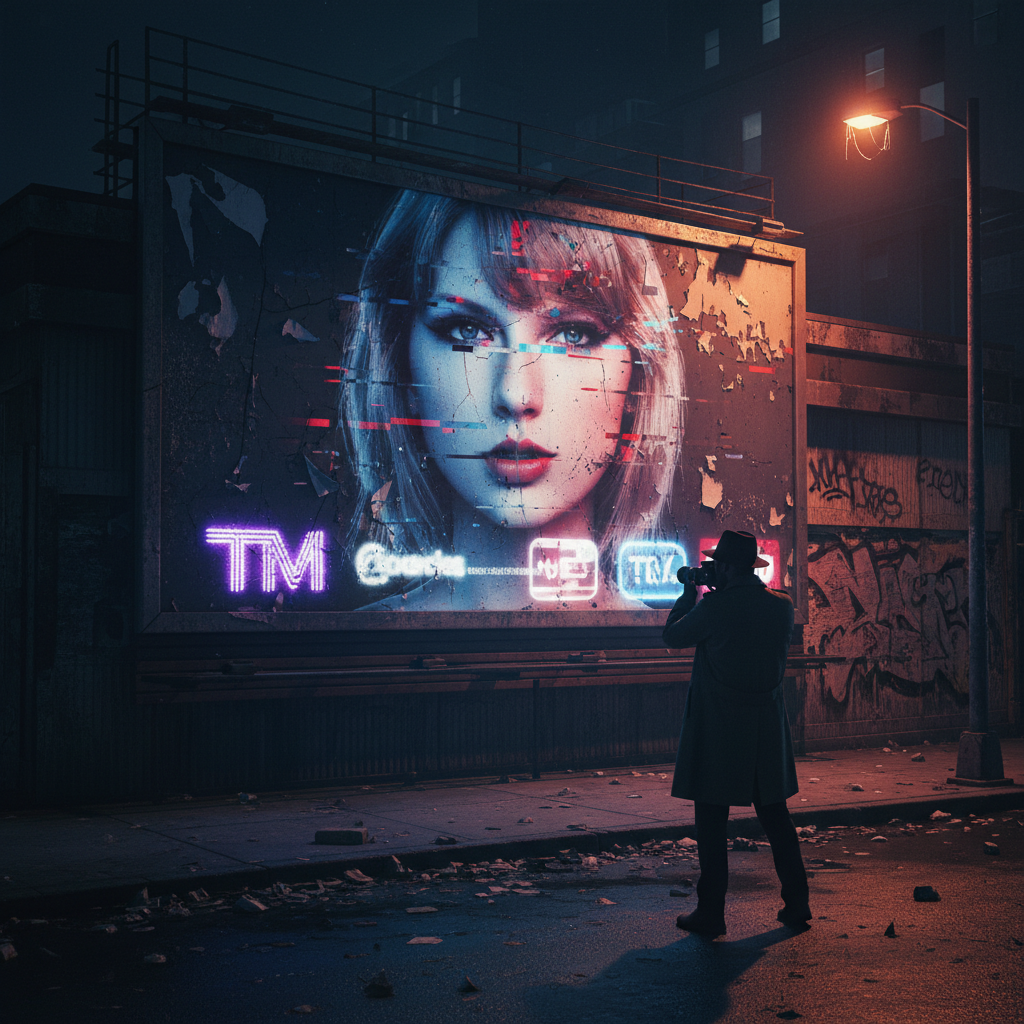
في خطوة قانونية مهمة تهدف إلى حماية هويتها، تقدمت نجمة البوب العالمية تايلور سويفت مؤخرًا بثلاثة طلبات لتسجيل علامات تجارية لحماية صورتها وصوتها. تشمل هذه الطلبات صورة معروفة لسويفت وهي تحمل غيتارًا ورديًا خلال جولتها الغنائية "إيراس" التي حطمت الأرقام القياسية، بالإضافة إلى علامتين صوتيتين مميزتين للعبارتين البسيطتين والشهيرتين: "مرحباً، أنا تايلور سويفت" و"مرحباً، أنا تايلور". يأتي هذا التحرك الاستباقي في خضم تصاعد سريع للقلق بشأن انتشار التزييف العميق (Deepfakes) الذي يعتمد على الذكاء الاصطناعي عبر منصات التواصل الاجتماعي، والذي يشكل تهديدًا كبيرًا للأفراد والشخصيات العامة على حد سواء.
إن التطور المتزايد في تعقيد وتوفر تقنيات التزييف العميق بالذكاء الاصطناعي قد خلق بيئة خطرة حيث يمكن استغلال صورة أي شخص دون موافقته. فبينما يواجه عامة الناس مخاطر المواد التي يولدها الذكاء الاصطناعي دون موافقة – كما يتضح من الإدانة الأخيرة لرجل من أوهايو بموجب قانون فيدرالي جديد يستهدف "الخداع البصري الحميمي" – يواجه المشاهير طيفًا أوسع من التهديدات. لا يقتصر الأمر على التزييف العميق الصريح فحسب، بل يشمل أيضًا الاستخدام الخبيث لصورهم وأصواتهم للترويج الكاذب لمنتجات أو خدمات، مما يؤدي غالبًا إلى عمليات احتيال معقدة.
كشف تقرير حديث صادر عن شركة "كوبيليكس" (Copyleaks) المتخصصة في كشف الذكاء الاصطناعي عن المدى المقلق لهذا الاستغلال، حيث أظهر أن سويفت، إلى جانب نجوم بارزين آخرين مثل كيم كارداشيان وريانا، قد تم استخدام صورهم في إعلانات احتيالية. حدد الباحثون عددًا من مقاطع الفيديو المدعومة على تيك توك التي تظهر بشكل خادع هؤلاء المشاهير وهم يروجون "لخدمات يحتمل أن تكون احتيالية أو ضارة". وقد تم تصميم هذه المقاطع المزيفة بعناية فائقة، باستخدام "أصوات تبدو واقعية" و"مرشحات نسيجية" مصممة لإخفاء العيوب الكامنة في المرئيات التي يولدها الذكاء الاصطناعي، مما يجعلها مقنعة بشكل لا يصدق للمشاهدين غير المتوقعين.
تُظهر الإعلانات الخادعة عادةً المشاهير المزيفين في أماكن مألوفة، مثل فعاليات السجادة الحمراء أو مجموعات برامج حوارية. ومع ذلك، بدلاً من المشاركة في مقابلات حقيقية، تُعرض هذه الشخصيات التي يولدها الذكاء الاصطناعي وهي تروج بحماس "لبرامج مكافآت" مشبوهة، مثل برنامج يسمى "TikTok Pay". في هذه الاحتيالات، يُفترض أن يتم تعويض المستخدمين مقابل تقديم ملاحظات حول المحتوى. وقد ظهر إعلان مقنع بشكل خاص يضم تايلور سويفت مزيفة، باستخدام لقطات معدلة من ظهورها في برنامج "ذا تونايت شو" مع جيمي فالون، لتشجيع المشاهدين على التحقق من أهليتهم لهذا البرنامج "المحدود الانتشار" بعبارة مغرية: "إذا فتحت الصفحة لك، فلا تفرط في التفكير".
يؤدي النقر على هذه الروابط حتمًا بالمستخدمين إلى خدمة طرف ثالث، على الرغم من محاكاتها البارعة لعلامة تيك توك التجارية. يطالب هذا الموقع الخارجي، الذي يحمل بوضوح علامة منصة الذكاء الاصطناعي "لوفابل" (Lovable)، المستخدمين بعد ذلك بإدخال معلوماتهم الشخصية، بما في ذلك أسمائهم. وبينما لا يزال الهدف النهائي لعمليات جمع البيانات هذه غير واضح، فإن مثل هذه الترويجات الاحتيالية للمشاهير عبر التزييف العميق تعد تكتيكًا شائعًا في المشهد المتنامي لعمليات الاحتيال عبر الإنترنت. وقد حظيت القضية الأوسع للإعلانات الاحتيالية على وسائل التواصل الاجتماعي باهتمام كبير، حيث رفعت "اتحاد المستهلكين الأمريكي" مؤخرًا دعوى قضائية ضد ميتا، زاعمًا أنها ضللت المستخدمين بشأن جهودها لمكافحة الإعلانات الاحتيالية، وأفادت "لجنة التجارة الفيدرالية الأمريكية" بحدوث زيادة في عمليات الاحتيال عبر وسائل التواصل الاجتماعي بشكل عام، مع كون فيسبوك المصدر الرئيسي للخسائر المالية.
لذلك، ليس من المستغرب أن تلجأ تايلور سويفت ومعاصروها إلى الإجراءات القانونية لإبعاد أنفسهم عن هذا الاقتصاد الاحتيالي المتفشي. وعلى الرغم من أن سويفت لم تتحدث علنًا عن المنطق المحدد وراء طلبات تسجيل علاماتها التجارية، فإن الضرر المحتمل على السمعة والمال الذي يمكن أن تسببه عمليات التزييف العميق المتطورة والخادعة لعلامتها التجارية التي تقدر بمليارات الدولارات هو أمر هائل بلا شك. ومع استمرار تقدم تقنيات الذكاء الاصطناعي، أصبحت هذه التزييفات العميقة أكثر إقناعًا يومًا بعد يوم، مما يمثل تحديًا متصاعدًا للمشاهير ومنصات التكنولوجيا والجهات التنظيمية على حد سواء في المعركة المستمرة من أجل النزاهة الرقمية وحماية المستهلك.