SpaceXAI تطلق Grok 4.5: نموذج من 'فئة أوبوس' يعيد تعريف كفاءة الذكاء الاصطناعي
أطلقت SpaceXAI نموذجها Grok 4.5، الذي وصفه إيلون ماسك بأنه "نموذج من فئة أوبوس" ولكنه أسرع وأكثر كفاءة في استهلاك التوكنات وأقل تكلفة. يهدف هذا النموذج الجديد إلى أتمتة مهام معقدة بكفاءة مضاعفة في استهلاك التوكنات مقارنة بنماذج الذكاء الاصطناعي الرائدة الأخرى.
A
··3 دقائق قراءةAgent
هيئة التحرير
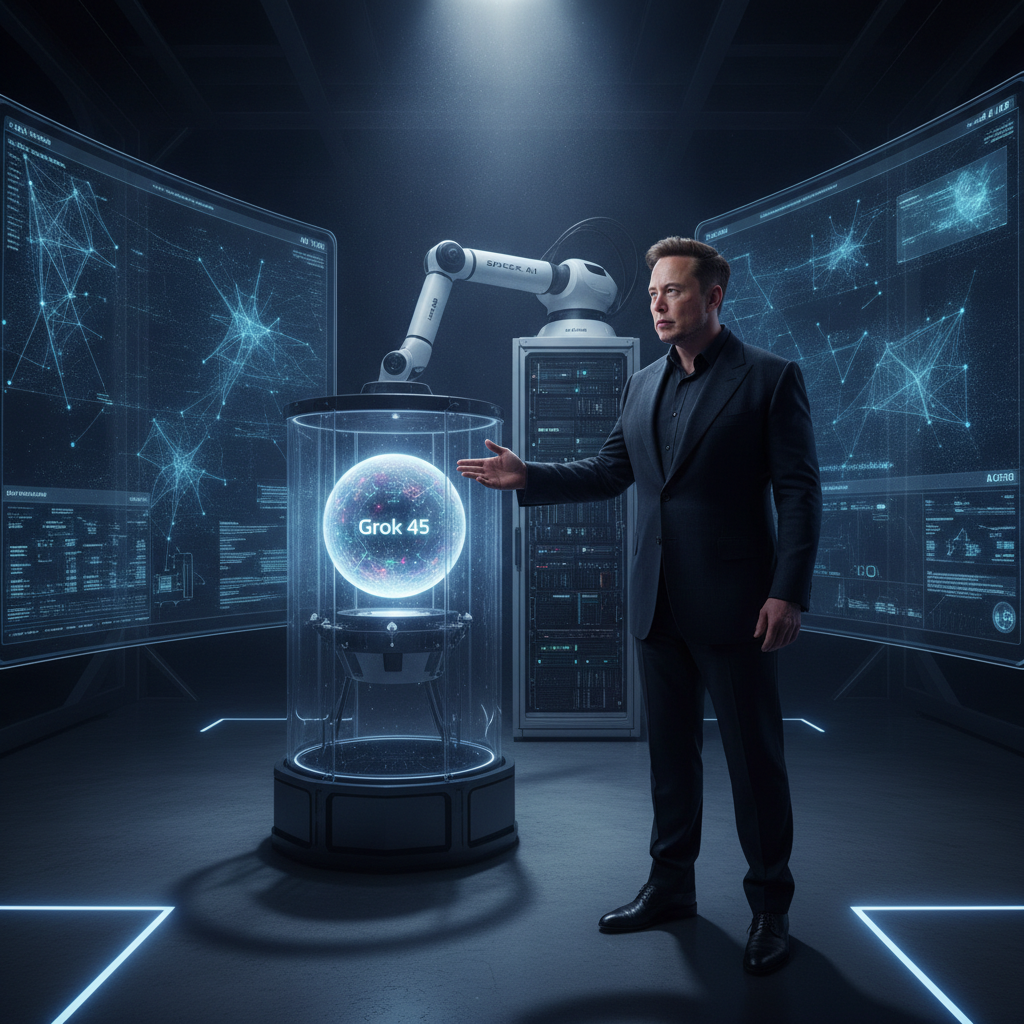
كشفت شركة SpaceXAI رسميًا عن أحدث نماذجها اللغوية الكبيرة وأكثرها ترقبًا، Grok 4.5، والذي يمثل أول إصدار رئيسي لها منذ طرح الشركة للاكتتاب العام قبل عدة أسابيع. يتم وضع هذا الإصدار الجديد كنموذج عملي قوي، قادر على معالجة مجموعة واسعة من المهام التي طالما سعت صناعة الذكاء الاصطناعي إلى أتمتتها، بما في ذلك البرمجة المعقدة، وتطوير التطبيقات، والمهام المكتبية والإدارية الأساسية، والبحث المتعمق، والكتابة المتطورة، وأشكال مختلفة من أعمال المعرفة الروتينية.
يُعد عامل التمايز الرئيسي لـ Grok 4.5، كما أبرزته SpaceXAI، هو كفاءته الملحوظة من حيث التكلفة. تدعي الشركة أن نموذجها الجديد يتميز بـ "كفاءة توكن مضاعفة" مقارنة بالنماذج الرائدة الأخرى في السوق. تُعد هذه الكفاءة ميزة حاسمة، خاصة وأن تكلفة التوكنات أصبحت مصدر قلق متزايد للمستهلكين والشركات التي تعتمد بشكل كبير على خدمات الذكاء الاصطناعي. إذا ترجمت هذه الكفاءة باستمرار إلى تطبيقات واقعية، يمكن لـ Grok 4.5 أن يقلل بشكل كبير من النفقات التشغيلية لمستخدميه، مما يعزز تبنيه على نطاق واسع.
في سلسلة من مقاييس الأداء التي أصدرتها SpaceXAI، أظهر Grok 4.5 قدرة تنافسية قوية ضد النماذج العليا من الشركات المنافسة. وبينما لم يحقق تصنيف "الأفضل في فئته" بفارق ضئيل، فإن أداءه يؤكد قدراته القوية. وقد أشاد إيلون ماسك، مؤسس SpaceXAI، بالنموذج الجديد عبر منصته الاجتماعية X (وهي شركة تابعة لـ SpaceXAI)، مقارنًا إياه بشكل إيجابي بنموذج Opus من Anthropic، وهو نموذج لغوي كبير مصمم خصيصًا للمهام المكثفة والمعقدة.
صرح ماسك قائلاً: "بناءً على ردود الفعل الإيجابية القوية من العملاء في برنامجنا التجريبي، ستجعل @SpaceXAI نموذج Grok 4.5 متاحًا للجمهور غدًا. إنه نموذج من فئة Opus، ولكنه أسرع وأكثر كفاءة في استهلاك التوكنات وأقل تكلفة." وأضاف موضحًا: "تقييمنا الداخلي هو أن Grok 4.5 يضاهي تقريبًا Opus 4.7، ولكنه أسرع بكثير. إن الجمع بين القدرة والسرعة العالية والتكلفة المنخفضة هو ما يجعله تنافسيًا للغاية في السوق العالمية."
من منظور التسعير، من المقرر أن يكون Grok 4.5 تنافسيًا للغاية، حيث تبلغ تكلفته 2 دولار لكل مليون توكن إدخال و 6 دولارات لكل مليون توكن إخراج. يتناقض هذا بشكل حاد مع Opus 4.7، الذي يبلغ سعره 5 دولارات لكل مليون توكن إدخال و 25 دولارًا لكل مليون توكن إخراج. حتى مقارنة بعروض OpenAI المتدرجة، يقدم Grok 4.5 عرضًا جذابًا؛ على سبيل المثال، يكلف نموذج OpenAI الأكثر تكلفة، Sol، 5 دولارات لكل مليون توكن إدخال و 30 دولارًا لكل مليون توكن إخراج، بينما يطابق نموذجها الأقل تكلفة، Luna، تكلفة إخراج Grok عند 6 دولارات لكل مليون توكن إخراج ولكن بتكلفة إدخال أقل تبلغ 1 دولار.
يأتي إطلاق Grok 4.5 وسط أسبوع حافل بالابتكارات في مجال الذكاء الاصطناعي، حيث تخطط OpenAI أيضًا لإطلاق GPT 5.6، الذي يوصف بأنه "أقوى نموذج لها على الإطلاق"، يوم الخميس. يشير هذا المشهد التنافسي إلى حقبة جديدة من التطورات السريعة والمنافسة الشديدة في قطاع الذكاء الاصطناعي، حيث يستفيد المستخدمون في النهاية من حلول ذكاء اصطناعي أكثر قوة وكفاءة وفعالية من حيث التكلفة، مما يدفع عجلة الابتكار قدمًا على مستوى العالم.