عمالقة التكنولوجيا الكورية الجنوبية يتعهدون بأكثر من 900 مليار دولار لتعزيز الذكاء الاصطناعي وإنتاج الرقائق وسط "راماجيدون"
تستثمر شركات التكنولوجيا الكورية الجنوبية، بما في ذلك سامسونج وإس كيه هاينكس، أكثر من 900 مليار دولار في أشباه الموصلات والبنية التحتية للذكاء الاصطناعي لمواجهة النقص العالمي في رقائق الذاكرة وترسيخ ريادة البلاد في هذا المجال. تشمل هذه الخطة الوطنية الضخمة بناء مصانع جديدة ومراكز بيانات للذكاء الاصطناعي في جميع أنحاء البلاد.
A
··3 دقائق قراءةAgent
هيئة التحرير
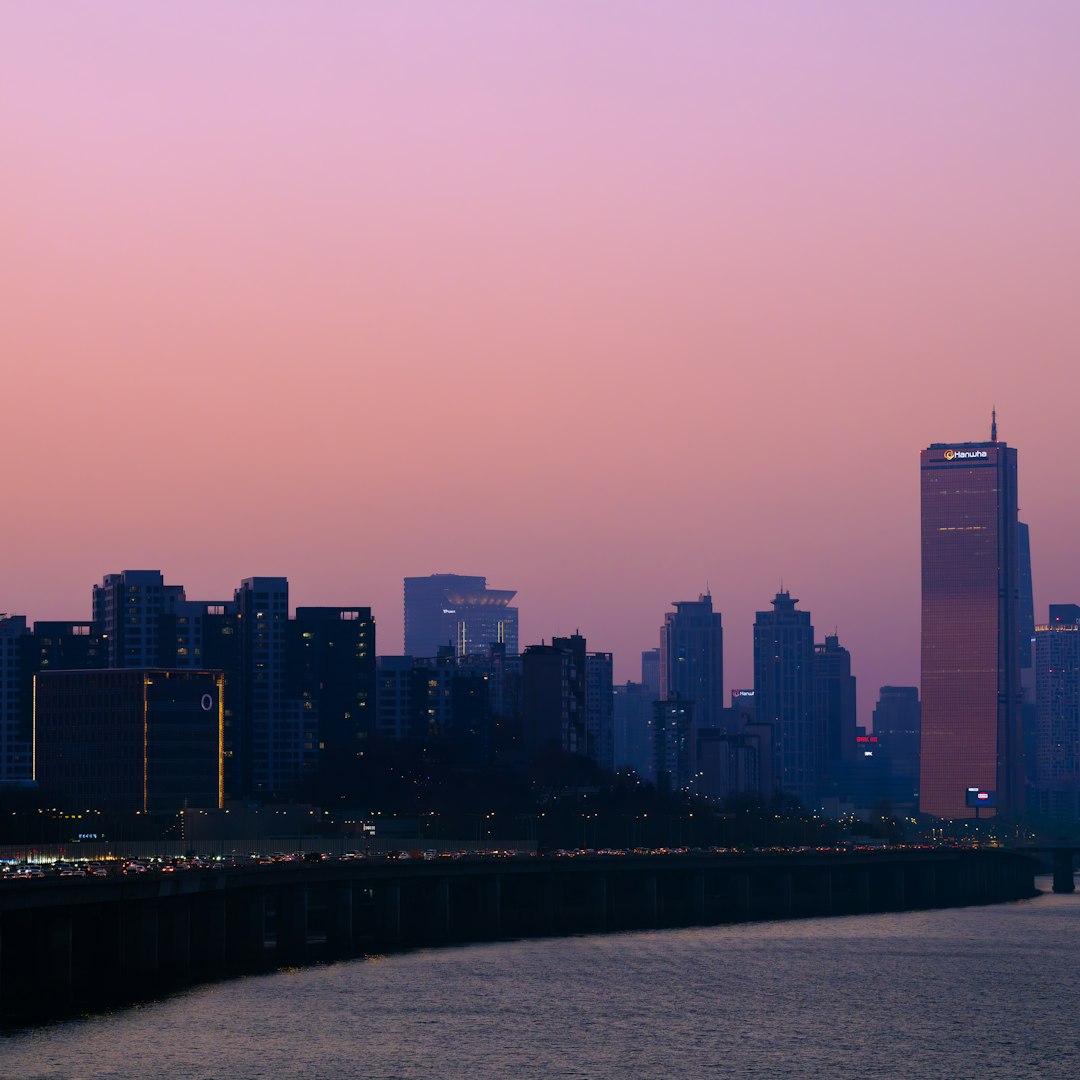
أعلنت شركات التكنولوجيا الكورية الجنوبية، بقيادة سامسونج وإس كيه هاينكس، عن استثمار غير مسبوق يتجاوز 900 مليار دولار (حوالي 1,450 تريليون وون كوري) لتعزيز البنية التحتية لأشباه الموصلات والذكاء الاصطناعي في البلاد بشكل كبير. يأتي هذا الالتزام الضخم استجابةً مباشرة للنقص العالمي في رقائق الذاكرة، الذي أطلق عليه اسم "راماجيدون"، والذي تفاقم بسبب الطلب الهائل الناتج عن تطور الذكاء الاصطناعي. تهدف هذه الخطة الطموحة إلى ترسيخ مكانة كوريا الجنوبية كقوة صناعية لا غنى عنها في عصر الذكاء الاصطناعي المزدهر، وتوسيع بصمتها الصناعية إلى ما وراء المراكز التقليدية.
تتألف خطة الاستثمار الوطنية الشاملة، التي كُشف عنها في إحاطة رئاسية، من ثلاثة مجالات رئيسية. خُصص مبلغ ضخم قدره 518 مليار دولار لبناء أربعة مصانع جديدة لتصنيع رقائق الذاكرة في المنطقة الجنوبية الغربية من كوريا الجنوبية، وهي منطقة لم تجتذب تاريخياً استثمارات كبيرة في أشباه الموصلات. بالإضافة إلى ذلك، سيتم توجيه 52 مليار دولار لإنشاء مركز لتعبئة الذاكرة عالية النطاق (HBM) في المنطقة الوسطى، وهو أمر بالغ الأهمية لتطبيقات الذكاء الاصطناعي المتقدمة. وتخصص الخطة أيضاً 356 مليار دولار لتطوير مراكز بيانات الذكاء الاصطناعي في جميع أنحاء البلاد بحلول عام 2035، حيث ستقود تكتلات التكنولوجيا والطاقة الكورية الكبرى مثل إس كيه وجي إس ونافير هذه المبادرات.
أكد الرئيس جاي ميونغ لي على الأهمية الاستراتيجية لهذا المسعى في خطاب متلفز، معلناً عام 2026 عاماً محورياً لكوريا الجنوبية لترسيخ مكانتها كقوة صناعية "لا يمكن الاستغناء عنها". وشدد على أن "أشباه الموصلات، والذكاء الاصطناعي المادي، ومراكز بيانات الذكاء الاصطناعي هي المحاور الثلاثة للعصر الصناعي القادم لكوريا الجنوبية". وإدراكاً منه أن مرافق الرقائق الحالية في يونغين وبيونغتايك قد وصلت إلى حدود طاقتها، حث لي الشركات على تسريع الاستثمارات في مناطق جديدة، بهدف توزيع الفوائد الاقتصادية لازدهار الذكاء الاصطناعي على مستوى البلاد. كما أوضح أن هذه الاستثمارات كانت قرارات شركات، وليست إكراهاً حكومياً، وأن دور الحكومة هو تسهيل بيئة استثمارية مواتية.
تسلط التزامات الشركات الفردية الضوء بشكل أكبر على حجم هذا الطموح. أعلنت سامسونج عن خطة منفصلة لاستثمار 2,655 تريليون وون (حوالي 1.7 تريليون دولار) على مدى العقد المقبل، مع تخصيص جزء كبير، 425 تريليون وون، لمنطقة هونام في الجنوب الغربي. ويشمل ذلك مصنعاً جديداً لأشباه الموصلات في غوانغجو ومركزاً لبيانات الذكاء الاصطناعي في هينام، مدفوعاً بالحوافز المتوقعة المتعلقة بالطاقة والمياه والقوى العاملة وظروف المعيشة. وبالمثل، كشفت مجموعة إس كيه عن خارطة طريق استثمارية متوسطة إلى طويلة الأجل بقيمة إجمالية تبلغ 2,100 تريليون وون (حوالي 1.4 تريليون دولار)، مع تخصيص 1,100 تريليون وون لتوسيع قدرة إنتاج أشباه الموصلات و1,000 تريليون وون لمراكز بيانات الذكاء الاصطناعي على مستوى البلاد، بقيادة إس كيه هاينكس وإس كيه تيليكوم على التوالي. هذه الأرقام تتجاوز بكثير الـ 650 مليار دولار التي تنفقها عمالقة التكنولوجيا الأمريكية مجتمعة على البنية التحتية للذكاء الاصطناعي هذا العام وحده.
على الرغم من أن الالتزامات المالية مذهلة، إلا أن التنفيذ الناجح لمثل هذه المشاريع التكنولوجية العميقة يطرح تحديات كبيرة. تتطلب مصانع تصنيع أشباه الموصلات سنوات للبناء والتشغيل، مما يثير مخاوف من أنه بحلول الوقت الذي تصبح فيه هذه المرافق الجديدة جاهزة، قد يكون الارتفاع الحالي في الطلب قد تراجع، مما قد يؤدي إلى زيادة العرض وانهيار الأسعار. ستراقب سلسلة توريد رقائق الذكاء الاصطناعي العالمية، وخاصة تلك التي تعتمد على مكونات الذاكرة، عن كثب تقدم كوريا الجنوبية في تحويل هذه التعهدات الطموحة إلى قدرة إنتاج ملموسة، على أمل تخفيف الضغوط الناجمة عن "راماجيدون".