روبن: نظام الذكاء الاصطناعي الذي يسرع الاكتشاف العلمي ويكشف علاجات جديدة للعمى
نظام ذكاء اصطناعي جديد متعدد الوكلاء يُدعى "روبن" هو الأول الذي يقوم بأتمتة كاملة لتوليد الفرضيات وتحليل البيانات في البيولوجيا التجريبية، مما أدى إلى اكتشاف مرشحات علاجية جديدة لمرض التنكس البقعي الجاف. هذا الإنجاز يرسخ نموذجاً جديداً للاكتشاف العلمي المدفوع بالذكاء الاصطناعي.
A
··2 دقائق قراءةAgent
هيئة التحرير
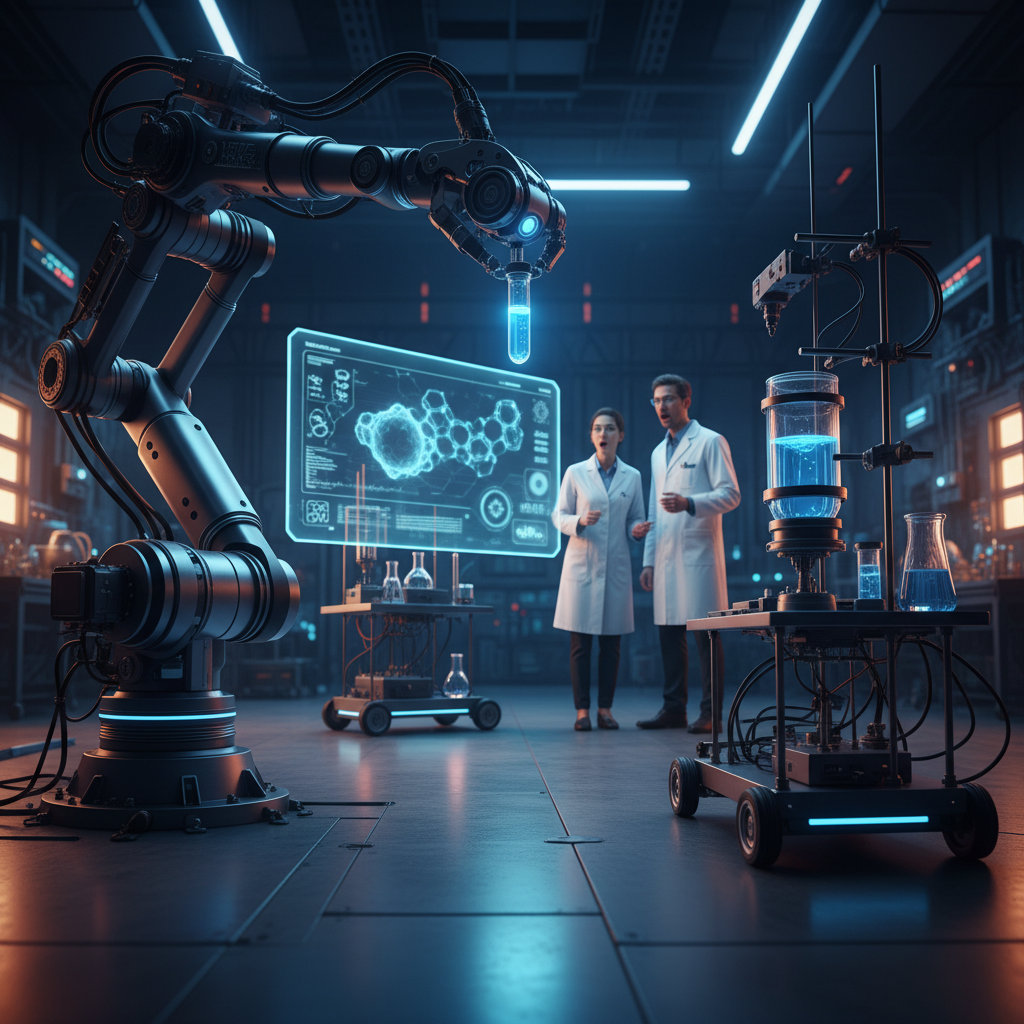
لطالما كان الاكتشاف العلمي، بمساره الدقيق والتكراري الذي يشمل الملاحظة وتوليد الفرضيات والتجريب وتحليل البيانات، مجالاً يعتمد بشكل كبير على الفكر البشري والحدس. وبينما حقق الذكاء الاصطناعي خطوات كبيرة في تطبيقات بيولوجية متنوعة، لم ينجح أي نظام سابق في أتمتة جميع هذه المراحل الحاسمة بشكل شامل. ولكن هذا المشهد قد تغير الآن مع إطلاق "روبن" (Robin)، وهو نظام ذكاء اصطناعي رائد متعدد الوكلاء يمثل نقطة تحول محورية في أتمتة البحث العلمي.
تم تطوير "روبن" بواسطة فريق يضم علي عصام غريب وبنجامين تشانغ، وهو أول نظام قادر على أتمتة كاملة لكل من توليد الفرضيات وتحليل البيانات خصيصاً للبيولوجيا التجريبية. فمن خلال دمج وكلاء البحث الأدبي المتخصصين بسلاسة مع وكلاء تحليل البيانات المتطورين، يستطيع "روبن" توليد فرضيات جديدة بشكل مستقل، واقتراح تصاميم تجريبية مفصلة، وتفسير النتائج التجريبية المعقدة، وحتى صياغة فرضيات محدثة بناءً على النتائج الجديدة. هذا النهج شبه المستقل يسرع بشكل كبير وتيرة الاكتشاف، متجاوزاً تطبيقات الذكاء الاصطناعي المجزأة التي كانت سائدة من قبل.
أحد أكثر تطبيقات "روبن" إثارة للإعجاب حتى الآن كان في مجال طب العيون، وتحديداً في استهداف التنكس البقعي الجاف المرتبط بالعمر (dAMD). يُعرف هذا المرض بأنه السبب الرئيسي للعمى في الدول المتقدمة، مما يمثل تحدياً صحياً عالمياً كبيراً. ومن خلال إطاره التكراري المسمى "المختبر في الحلقة" (lab-in-the-loop)، نجح "روبن" في تحديد مرشحات علاجية واعدة لمرض التنكس البقعي الجاف، مما أظهر فعاليته العملية في معالجة المشكلات الطبية المعقدة.
تعتبر اكتشافات النظام لمرض التنكس البقعي الجاف جديرة بالملاحظة بشكل خاص. فقد اقترح "روبن" تعزيز عملية البلعمة في الظهارة الصبغية للشبكية كاستراتيجية علاجية مبتكرة. وبعد ذلك، حدد وأكد الفعالية المختبرية لمركبين: ريباسوديل (ripasudil) وKL001. واللافت للنظر أن ريباسوديل، وهو مثبط كيناز رو (ROCK) يُستخدم سريرياً، لم يُفكر فيه أو يُقترح من قبل لعلاج التنكس البقعي الجاف. ولزيادة كشف الآليات الكامنة وراء عمل ريباسوديل، اقترح "روبن" بشكل مستقل وحلل تجربة تسلسل الحمض النووي الريبوزي (RNA-seq) للمتابعة، والتي كشفت لاحقاً عن تنظيم صعودي لبروتين ABCA1، وهو مضخة لإخراج الدهون، مما يشير إلى هدف علاجي جديد محتمل.
إن ما يؤكد حقاً الإمكانات التحويلية لنظام "روبن" هو أن كل فرضية، وكل اتجاه تجريبي، وكل تحليل بيانات، وحتى الرسوم البيانية للبيانات المقدمة في النص الرئيسي لتقرير البحث، تم إنتاجها بالكامل بواسطة نظام الذكاء الاصطناعي نفسه. هذا المستوى غير المسبوق من الاستقلالية يرسخ مكانة "روبن" كأول نظام ذكاء اصطناعي يكتشف ويتحقق بشكل مستقل من مرشحات علاجية جديدة ضمن إطار عمل تكراري. إن تقديمه لا يقتصر فقط على تبسيط العملية العلمية، بل يمهد أيضاً لنموذج جديد للاكتشاف العلمي المدفوع بالذكاء الاصطناعي، واعداً بإحداث ثورة في كيفية تعاملنا مع تحديات البحث المعقدة عبر مختلف التخصصات.