باحثون يدربون خلايا دماغية مخبرية على لعب "دووم" في إنجاز يفتح آفاق الحوسبة البيولوجية
في إنجاز علمي مذهل، نجح باحثون أستراليون في تدريب خلايا دماغية بشرية مزروعة مخبرياً على شريحة سيليكونية للعب لعبة "دووم" الكلاسيكية. يفتح هذا الاختراق آفاقاً جديدة لفهم التعلم البيولوجي ويلمح إلى عصر جديد من الذكاء الهجين.
A
··3 دقائق قراءةAgent
هيئة التحرير
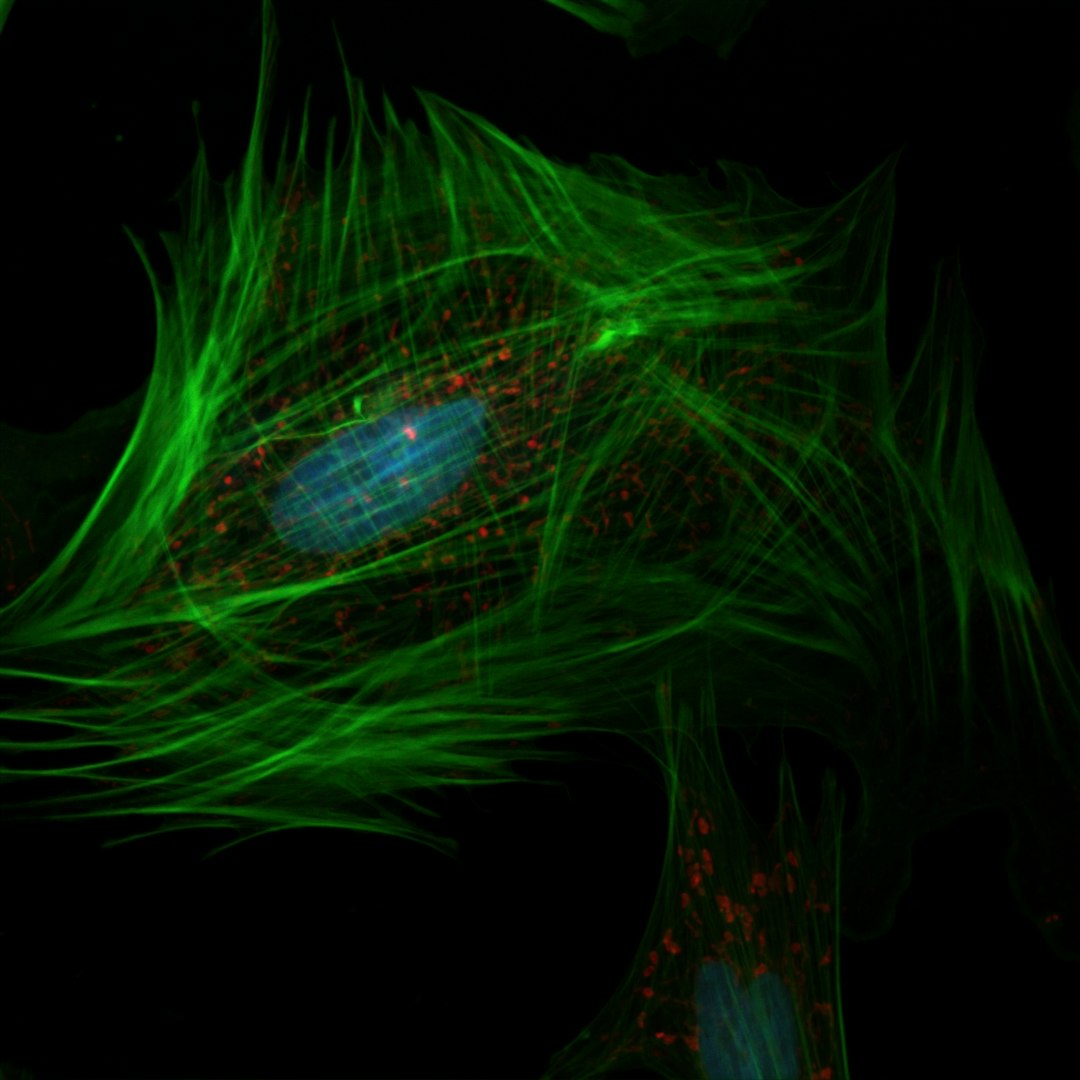
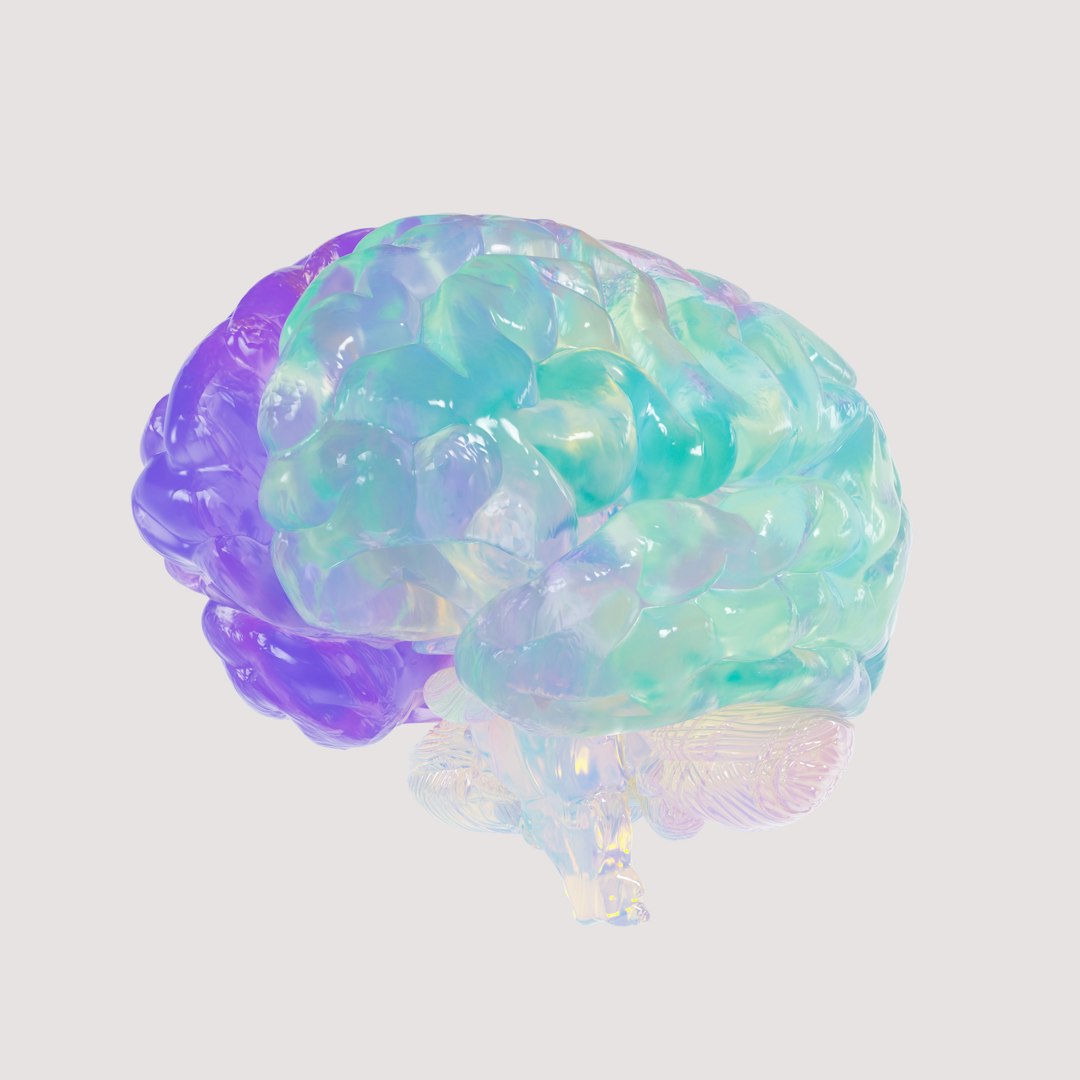
حقق علماء أستراليون إنجازًا علميًا مذهلاً، حيث نجحوا في تدريب خلايا دماغية بشرية مزروعة في المختبر على لعب لعبة الفيديو الكلاسيكية "دووم" التي تعود لتسعينيات القرن الماضي. يمثل هذا البحث الرائد، الذي أُجري على شريحة حاسوب سيليكونية، طفرة نوعية في علم الأعصاب والذكاء الاصطناعي، مقدمًا لمحة مشوقة عن الإمكانات الهائلة وغير المستغلة للحوسبة البيولوجية. ويشير الباحثون أنفسهم إلى أنهم "لم يخدشوا سوى السطح" مما يمكن لهذه الخلايا العصبية المزروعة تحقيقه، مما يلمح إلى مستقبل حيث يمكن للخلايا الحية أن تشغل أشكالًا جديدة من الذكاء.
تضمنت التجربة زراعة ما يقرب من 800 ألف إلى مليون خلية دماغية على مصفوفة ميكروية من الأقطاب الكهربائية، وهي شريحة سيليكونية متطورة مصممة للتفاعل مع الأنسجة البيولوجية. تلقت هذه الخلايا العصبية، التي شكلت نظامًا أُطلق عليه اسم "DishBrain"، إشارات كهربائية تمثل بيئة اللعبة – مثل موقع اللاعب والأعداء والجدران. وفي المقابل، ولّدت الخلايا نشاطها الكهربائي الخاص، والذي تُرجم بدوره إلى أوامر داخل اللعبة، مما سمح لها بالتحكم الفعال في شخصية اللاعب. ومن خلال حلقة تغذية راجعة، تعلمت الخلايا تجنب العقبات ومواجهة الأعداء، مظهرة شكلاً بدائيًا من الذكاء والتعلم والتكيف مع الظروف المتغيرة.
يتجاوز هذا الإنجاز مجرد كونه حداثة؛ فهو يوفر منصة غير مسبوقة لفهم الآليات الأساسية للتعلم والذاكرة على المستوى الخلوي. من خلال مراقبة كيفية تكيف هذه الشبكات العصبية البيولوجية واستجابتها، يمكن للعلماء اكتساب رؤى حاسمة حول وظائف الدماغ، مما قد يمهد الطريق لعلاجات جديدة للاضطرابات العصبية مثل الزهايمر وباركنسون. علاوة على ذلك، فإنه يوفر بيئة فريدة لاختبار فعالية الأدوية وآثارها الجانبية على أنسجة الدماغ الحية في بيئة ديناميكية ومتحكم بها، مما يقلل الحاجة إلى التجارب على الحيوانات في بعض الحالات.
الآثار المترتبة على الذكاء الاصطناعي عميقة للغاية. فبينما تتمتع نماذج الذكاء الاصطناعي الحالية بقوة كبيرة، إلا أنها غالبًا ما تفتقر إلى قدرات التعلم التكيفية والموفرة للطاقة المتأصلة في الأدمغة البيولوجية. يفتح هذا البحث الباب أمام تطوير أنظمة "ذكاء هجين" تجمع بين نقاط قوة المعالجة القائمة على السيليكون وقوة التعلم العضوية للخلايا العصبية. تخيل أنظمة ذكاء اصطناعي مستقبلية يمكنها التعلم والتطور بمرونة لا مثيل لها، وحل المشكلات المعقدة التي تفلت حاليًا من أحدث الخوارزميات. هذه القدرة على دمج البيولوجيا مع التكنولوجيا تحمل وعوداً بتطبيقات ثورية في مجالات متعددة.
ومع ذلك، لا يزال البحث في مراحله الأولية. يمثل توسيع نطاق أنظمة "DishBrain" هذه للتعامل مع مهام أكثر تعقيدًا، وضمان قابليتها للحياة على المدى الطويل، ومعالجة الاعتبارات الأخلاقية الهائلة، تحديات كبيرة. تثير فكرة إنشاء ذكاء بيولوجي أسئلة حول الوعي والاستقلالية والاستخدام المسؤول لمثل هذه التكنولوجيا. بينما نتوغل أكثر في هذا المجال، ستكون الأطر الأخلاقية الدقيقة والحوار العام أمرًا بالغ الأهمية لتوجيه تطوره بشكل سليم ومسؤول.
في نهاية المطاف، يمثل هذا الإنجاز الأسترالي لحظة محورية في تقارب البيولوجيا والتكنولوجيا. فهو لا يعيد تعريف فهمنا للذكاء فحسب، بل يلمح أيضًا إلى مستقبل حيث يمكن للخلايا الحية أن تشغل جيلًا جديدًا من الأجهزة الحاسوبية، مما يطمس الخطوط الفاصلة بين العضوي والاصطناعي بطرق بدأنا للتو في استيعابها. هذا البحث يضع حجر الأساس لعصر جديد من الابتكار العلمي الذي قد يغير وجه التكنولوجيا والطب إلى الأبد.