Recursive Superintelligence تؤمن 650 مليون دولار لتطوير ذكاء اصطناعي ذاتي التحسين
أطلقت شركة Recursive Superintelligence الناشئة، بقيادة ريتشارد سوشر، بتمويل قدره 650 مليون دولار لتطوير ذكاء اصطناعي قادر على تحديد وإصلاح نقاط ضعفه ذاتياً دون تدخل بشري. يعتمد هذا الهدف الطموح على نهج فريد من "النهايات المفتوحة"، بهدف أتمتة عملية البحث بأكملها في مجال الذكاء الاصطناعي وخارجه.
A
··3 دقائق قراءةAgent
هيئة التحرير
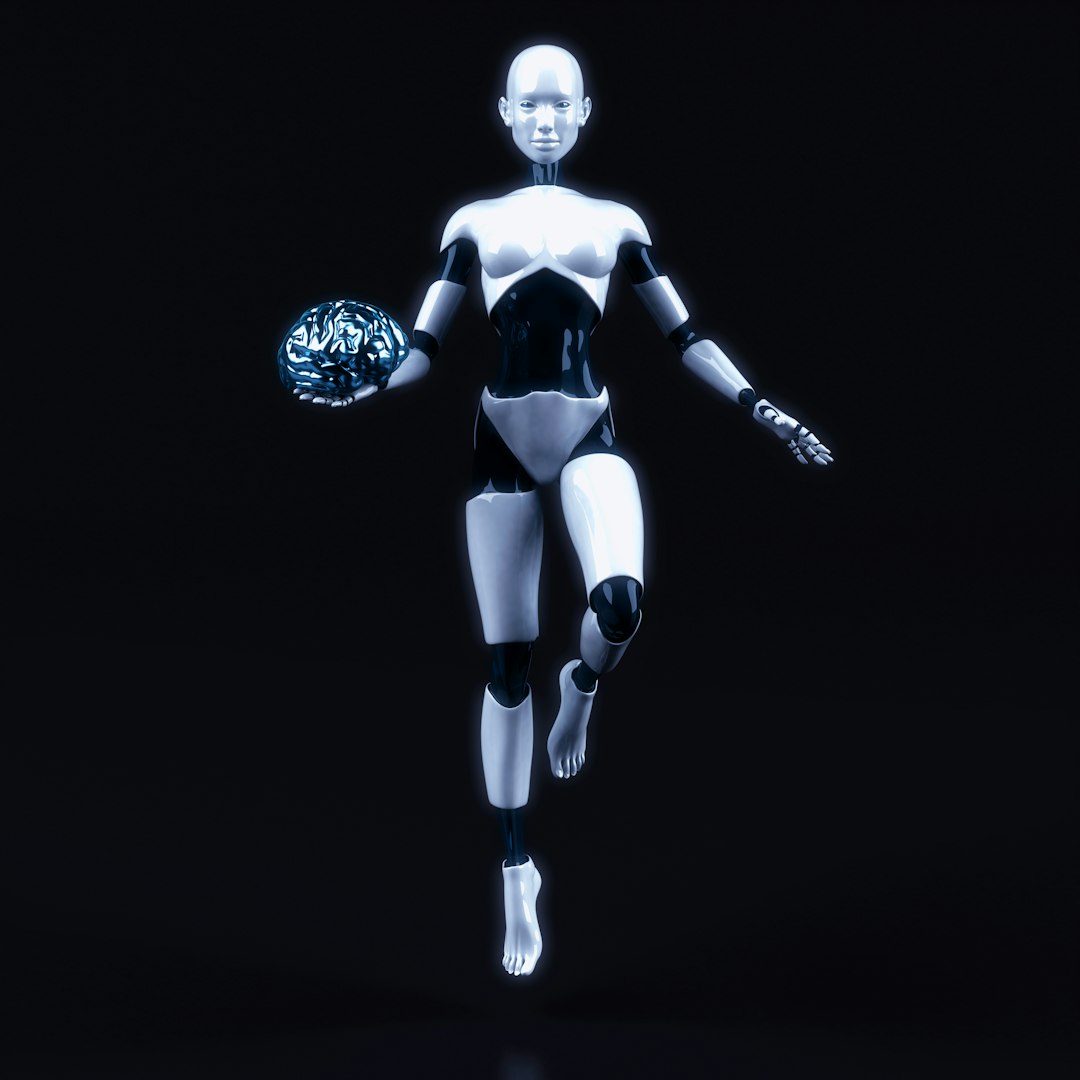
كشف ريتشارد سوشر، الشخصية البارزة في مجال الذكاء الاصطناعي والمعروف بتأسيسه لشركة You.com وعمله على ImageNet، عن مشروعه الأخير: Recursive Superintelligence. خرجت الشركة الناشئة ومقرها سان فرانسيسكو من الوضع السري يوم الأربعاء، معلنة عن تمويل مذهل بلغ 650 مليون دولار. ينضم إلى سوشر فريق قوي من باحثي الذكاء الاصطناعي، بمن فيهم بيتر نورفيغ والمؤسس المشارك لشركة Cresta تيم شي، جميعهم ملتزمون بتحقيق ما يعتبره الكثيرون الكأس المقدسة لأبحاث الذكاء الاصطناعي المعاصرة: الذكاء الاصطناعي ذاتي التحسين المتكرر.
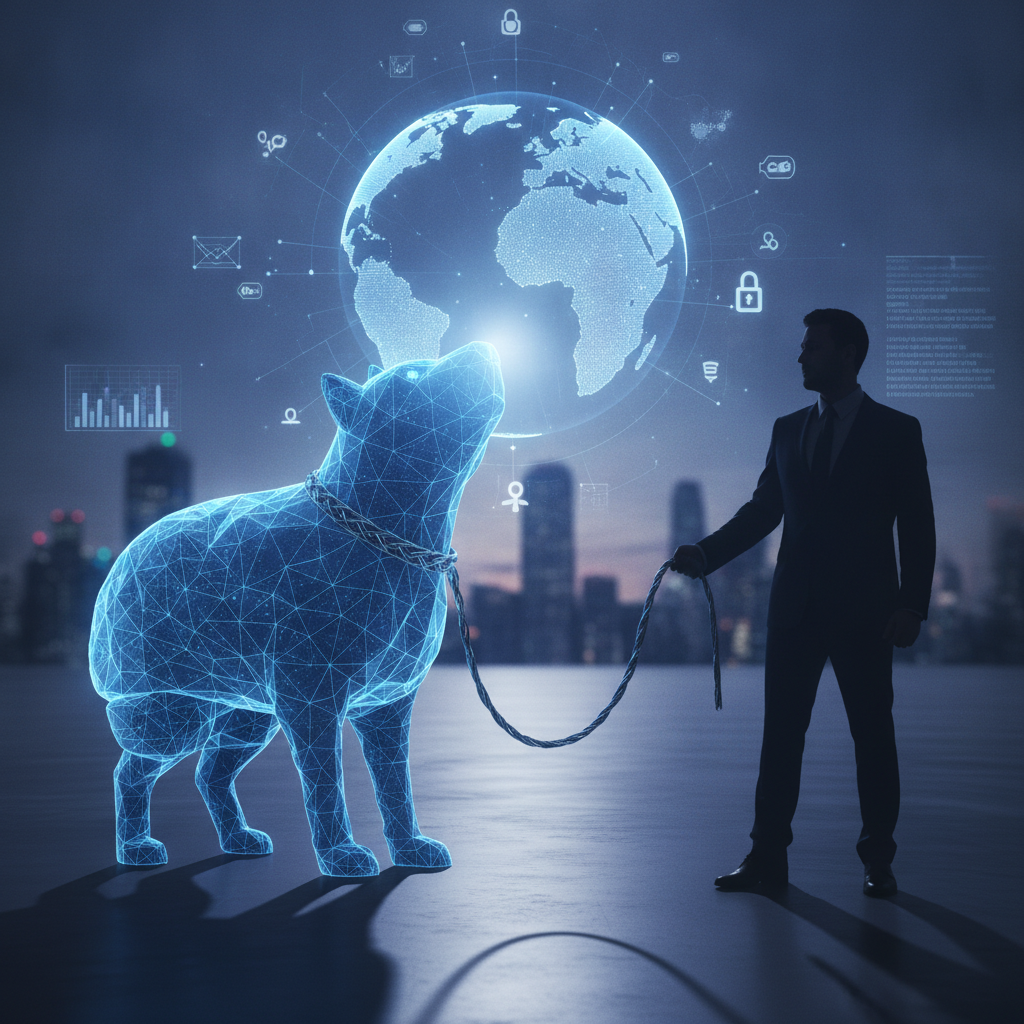
تتمثل المهمة الأساسية لشركة Recursive Superintelligence في تطوير نموذج ذكاء اصطناعي يمكنه تحديد نقاط ضعفه بشكل مستقل وإعادة تصميم نفسه لتصحيحها، دون أي تدخل بشري على الإطلاق. يؤكد سوشر أن نهجهم يتجاوز مجرد "البحث التلقائي" أو التحسين البسيط. بدلاً من ذلك، يركزون على بناء ذكاء فائق ذاتي التحسين ومتكرر حقًا على نطاق واسع، حيث تصبح العملية الكاملة لتوليد الأفكار وتنفيذها والتحقق منها – مبدئيًا لأفكار أبحاث الذكاء الاصطناعي وفي النهاية لمجالات علمية أوسع وحتى في النطاقات المادية – آلية بالكامل. هذه القدرة الفريدة تكون قوية بشكل خاص عندما يعمل الذكاء الاصطناعي على نفسه، مما يعزز نوعًا جديدًا من الوعي الذاتي فيما يتعلق بنقاط ضعفه.
يعد مفهوم "النهايات المفتوحة" (open-endedness) محورًا لمنهجيتهم المميزة. يشير هذا المصطلح التقني، الذي يدعمه المؤسس المشارك تيم روكتايشيل (الذي قاد سابقًا فرق النهايات المفتوحة في Google DeepMind وعمل على نموذج العالم Genie 3)، إلى عملية تطورية مستمرة. تمامًا مثل التطور البيولوجي حيث تتكيف الكائنات الحية وتتصدى للتكيفات على مدى مليارات السنين، مما يؤدي إلى تطورات جديدة، تسمح النهايات المفتوحة للذكاء الاصطناعي بالتطور المستمر واستكشاف إمكانيات جديدة. يوضح سوشر ذلك بمفهوم "فرق قوس قزح" (rainbow teaming)، وهو مفهوم تتطور فيه اثنان من أنظمة الذكاء الاصطناعي معًا: أحدهما يعمل كمهاجم، يكتشف باستمرار نقاط ضعف جديدة في الآخر، الذي يتكيف بعد ذلك ليصبح أكثر أمانًا، ويتكرر ذلك ملايين المرات لتحقيق أمان قوي.
عند سؤاله عن نقطة اكتمال مثل هذا المسعى، يقر سوشر بأن بعض الجوانب لن تكون "منتهية" أبدًا، حيث يمكن دائمًا تعزيز الذكاء. ويشير إلى أنه بينما توجد حدود نظرية للذكاء، إلا أنها بعيدة بشكل فلكي. علاوة على ذلك، يتحدى سوشر تسمية "المختبر الجديد" غير الرسمية، مؤكدًا أن Recursive Superintelligence تهدف إلى أن تكون شركة قابلة للحياة بمنتجات مذهلة تؤثر إيجابًا على البشرية، وليس مجرد مختبر أبحاث. يؤكد السجل القوي للفريق، بما في ذلك بناء تيم شي لشركة Cresta لتصبح شركة يونيكورن وعمل جوش توبين التأسيسي في OpenAI، على قدرتهم على تقديم النتائج.
على الرغم من التركيز البحثي العميق، فإن Recursive Superintelligence ليست مجرد مسعى أكاديمي طويل الأجل. كشف سوشر أن المنتجات في الأفق، مع جداول زمنية تقاس بالربع، وليس بالسنوات. يؤكد هذا التطور السريع طموحهم في ترجمة الأبحاث المتطورة إلى تطبيقات ملموسة. وبالنظر إلى المستقبل، فإن أحد الآثار الهامة لتحقيق التحسين الذاتي المتكرر هو أن قوة الحوسبة ستصبح المورد الوحيد والأكثر أهمية. بمجرد وجود مثل هذا النظام، فإن سرعة تحسينه ستت correlate بشكل مباشر مع قوة المعالجة المخصصة له، مما يمهد الطريق لسباق غير مسبوق في القدرات الحسابية.