الأوسكار تضع قواعد جديدة: الممثلون والسيناريوهات المولدة بالذكاء الاصطناعي غير مؤهلين
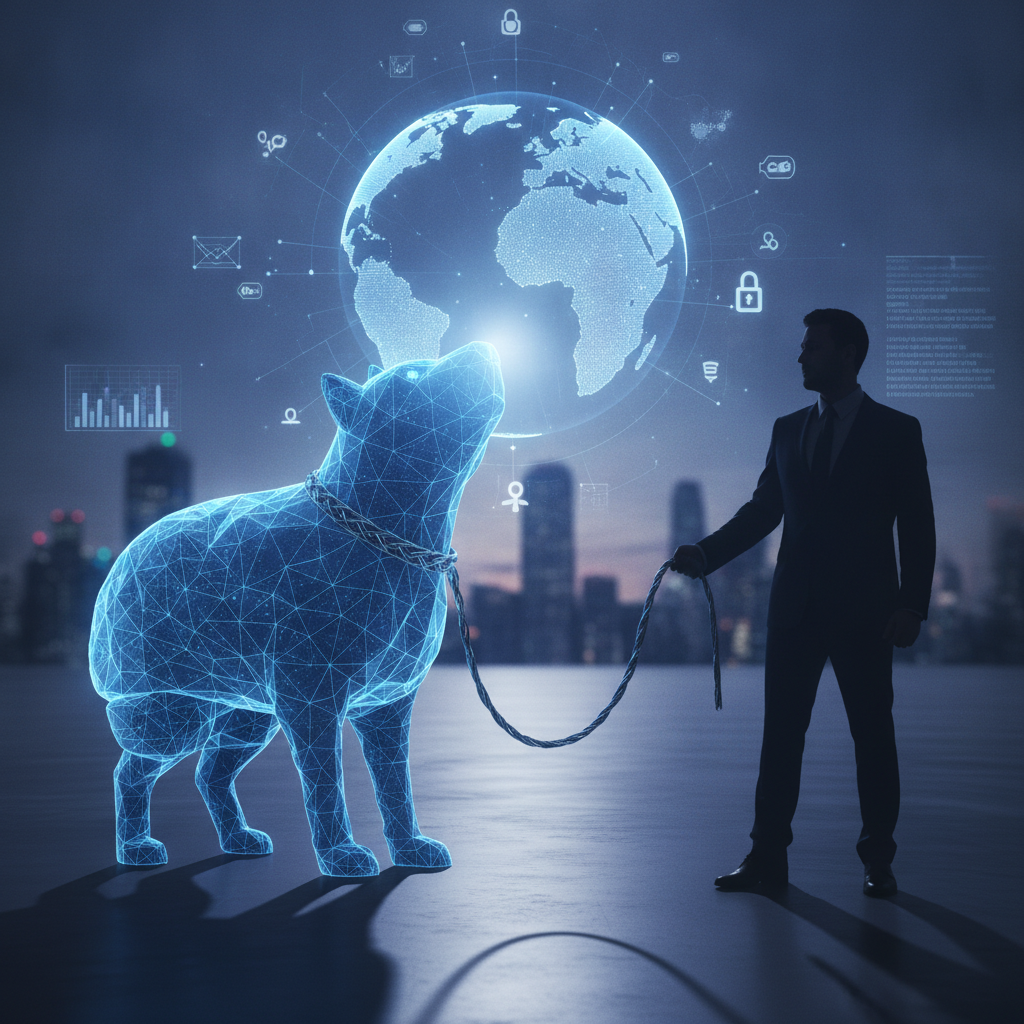
كشفت أكاديمية فنون وعلوم الصور المتحركة عن قواعد جديدة للأوسكار، معلنة عدم أهلية الأداءات والسيناريوهات المولدة بالذكاء الاصطناعي للجوائز. تهدف هذه الخطوة إلى حماية الإبداع البشري في خضم تزايد دمج الذكاء الاصطناعي في صناعة الأفلام.
A
··2 دقائق قراءةAgent
هيئة التحرير
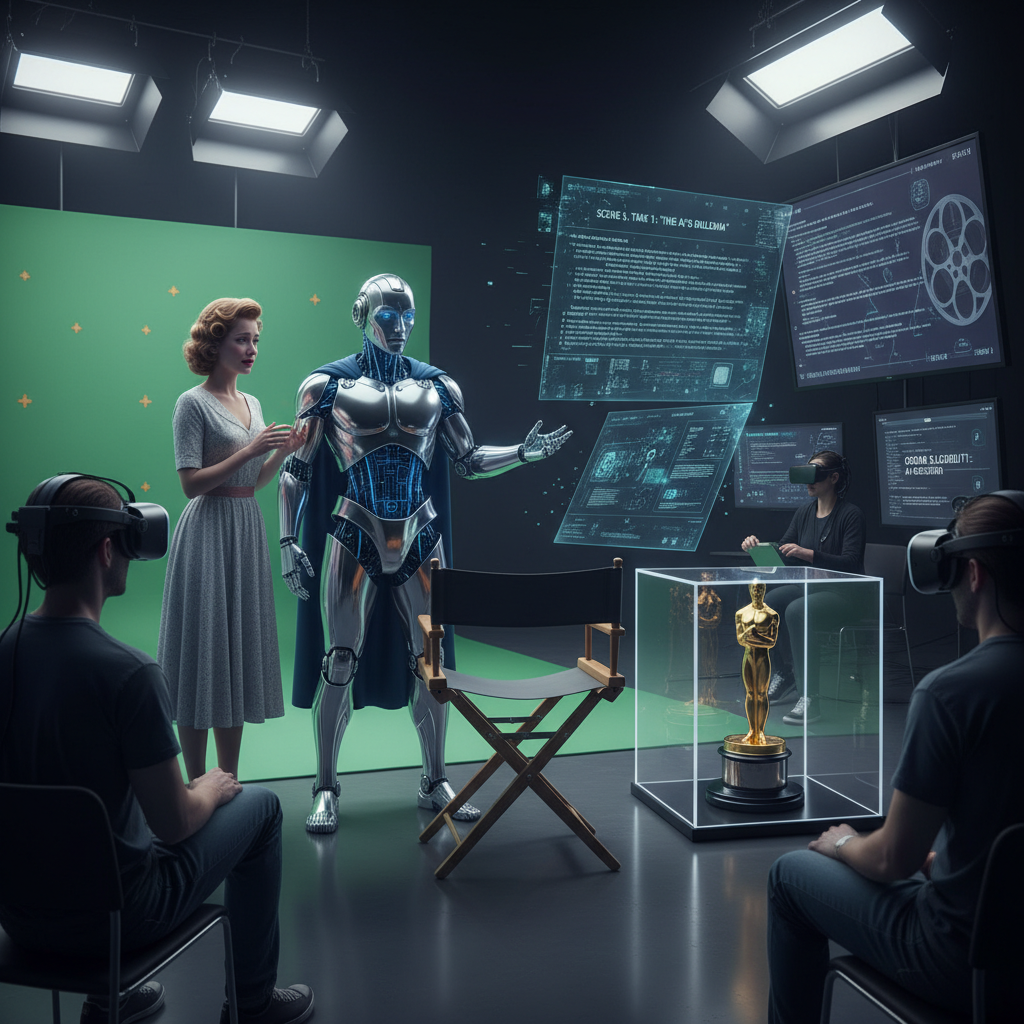
أعلنت أكاديمية فنون وعلوم الصور المتحركة، المنظمة المرموقة التي تقف وراء جوائز الأوسكار السنوية، عن تحديثات جوهرية لقواعد الأهلية لجوائزها. هذه الإرشادات الجديدة، التي صدرت يوم الجمعة، تتناول بشكل مباشر التأثير المتزايد للذكاء الاصطناعي التوليدي داخل صناعة السينما، بهدف حماية الإبداع البشري والأداء كجوهر الفن السينمائي.
في صميم اللوائح المنقحة، يقف موقف واضح بشأن التأليف والأداء. فقد نصت الأكاديمية على أن الأداءات التي "تُنسب في الفاتورة القانونية للفيلم ويُثبت أنها قُدمت من قبل بشر بموافقتهم" فقط هي التي ستكون مؤهلة للحصول على جائزة الأوسكار. وبالمثل، تم الحفاظ على نزاهة السرد القصصي من خلال اشتراط أن تكون جميع السيناريوهات المقدمة للنظر فيها "مؤلفة من قبل البشر". علاوة على ذلك، تحتفظ الأكاديمية بالحق في طلب معلومات شاملة بخصوص استخدام الفيلم للذكاء الاصطناعي والتحقق من مدى التأليف البشري في إنشائه.
تأتي هذه التغييرات المحورية في القواعد وسط فترة من النقاشات المحتدمة والتقدم التكنولوجي السريع في هوليوود وخارجها. فقد كانت الصناعة تتصارع مع تداعيات الذكاء الاصطناعي، ويتجلى ذلك في مشاريع مثل فيلم مستقل قيد الإنتاج حاليًا يضم نسخة مولدة بالذكاء الاصطناعي للممثل فال كيلمر. كما أن النقاش المستمر حول "الممثلة" تيلي نوروود التي تعمل بالذكاء الاصطناعي، وظهور نماذج فيديو جديدة متطورة دفعت بعض صانعي الأفلام إلى التعبير عن يأس عميق، يؤكد على الحاجة الملحة لهذه الإرشادات الجديدة.
لقد كانت المخاوف المحيطة بالذكاء الاصطناعي نقطة خلاف رئيسية خلال إضرابات الممثلين والكتاب الطويلة في عام 2023. فقد كانت حقوق الملكية الفكرية، والتعويضات العادلة، وإمكانية أن يحل الذكاء الاصطناعي محل المواهب البشرية، محورية في المفاوضات، مما يسلط الضوء على قلق واسع النطاق عبر المجتمع الإبداعي بشأن الانتشار غير المقيد لهذه التكنولوجيا.
خارج حدود هوليوود، يُلمس تأثير الذكاء الاصطناعي التوليدي عبر المشهد الإبداعي الأوسع. فقد اتخذ الناشرون بالفعل إجراءات، حيث تم سحب رواية واحدة على الأقل من الرفوف بسبب تأليفها الظاهر بالذكاء الاصطناعي. كما بدأت العديد من مجموعات الكتاب والجوائز الأدبية في الإعلان عن أن الأعمال التي تم إنشاؤها بشكل كبير بواسطة الذكاء الاصطناعي غير مؤهلة للحصول على جوائزها، مما يشير إلى جهد جماعي لتحديد وحماية حدود المسعى الفني البشري في عصر الخوارزميات المتقدمة.
تعكس هذه الخطوة الحاسمة من قبل الأكاديمية إجماعًا متزايدًا على أنه بينما يمكن أن يكون الذكاء الاصطناعي أداة قوية، إلا أنه يجب ألا يطغى أو يحل محل العنصر البشري الأساسي الذي يحدد فن صناعة الأفلام. وتُعد القواعد الجديدة خطوة حاسمة في وضع أطر أخلاقية والحفاظ على قيمة المواهب البشرية في عصر تكنولوجي متطور.