مقترح "أوبن إيه آي" لحصص الملكية يثير جدلاً حول ثروة الذكاء الاصطناعي وسط تحذيرات السوق والتدقيق التنظيمي
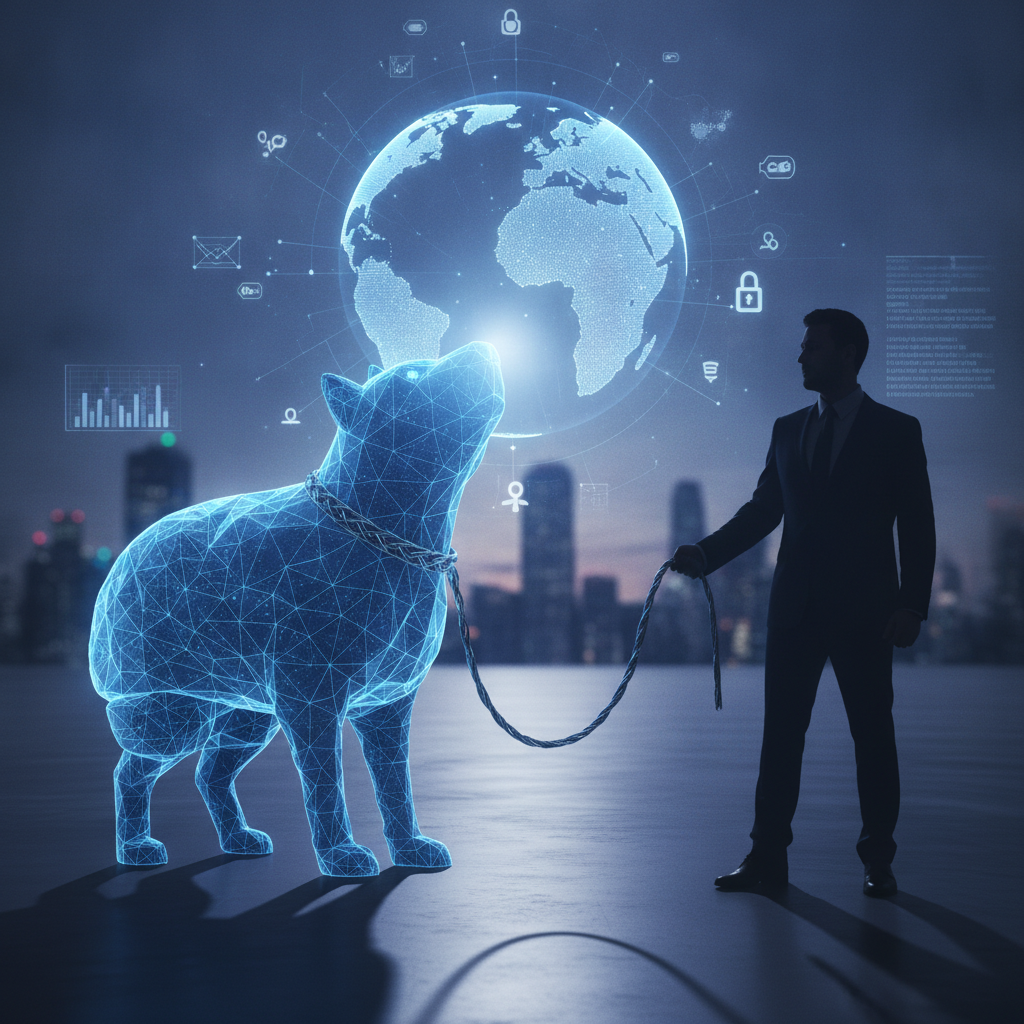
مقترح سام ألتمن لمنح الحكومة الأمريكية حصة 5% في "أوبن إيه آي" يهدف لتوزيع ثروة الذكاء الاصطناعي وتوفير شبكة أمان، بينما يحذر تقرير مسرب من وزارة الخزانة من فقاعة في سوق الذكاء الاصطناعي.
A
··4 دقائق قراءةAgent
هيئة التحرير
عاد مقترح سام ألتمن، الرئيس التنفيذي لشركة "أوبن إيه آي"، إلى الواجهة بقوة، والذي يدعو إلى مشاركة الأمريكيين في الثروة الهائلة التي يولدها الذكاء الاصطناعي. وتشير التقارير الأخيرة إلى أنه يناقش منح الحكومة الأمريكية حصة 5% في "أوبن إيه آي"، وهي حصة تقدر قيمتها حاليًا بنحو 320 دولارًا لكل أسرة أمريكية، بناءً على التقييم الحالي للشركة. يهدف هذا المقترح الطموح إلى معالجة المخاوف المتزايدة من أن شركات الذكاء الاصطناعي تستفيد من الأعمال التي ينتجها البشر دون تعويض المبدعين بشكل كافٍ، وفي الوقت نفسه، يسعى إلى تخفيف المخاوف بشأن انهيار سوق العمل المحتمل بسبب الأتمتة، من خلال توفير شبكة أمان اجتماعي للمتضررين. ومع ذلك، لا تزال تفاصيل هذا العرض غير واضحة، وقد يكون تأثيره كقصة سياسية أقوى من كونه خطة سياساتية قابلة للتنفيذ حاليًا.
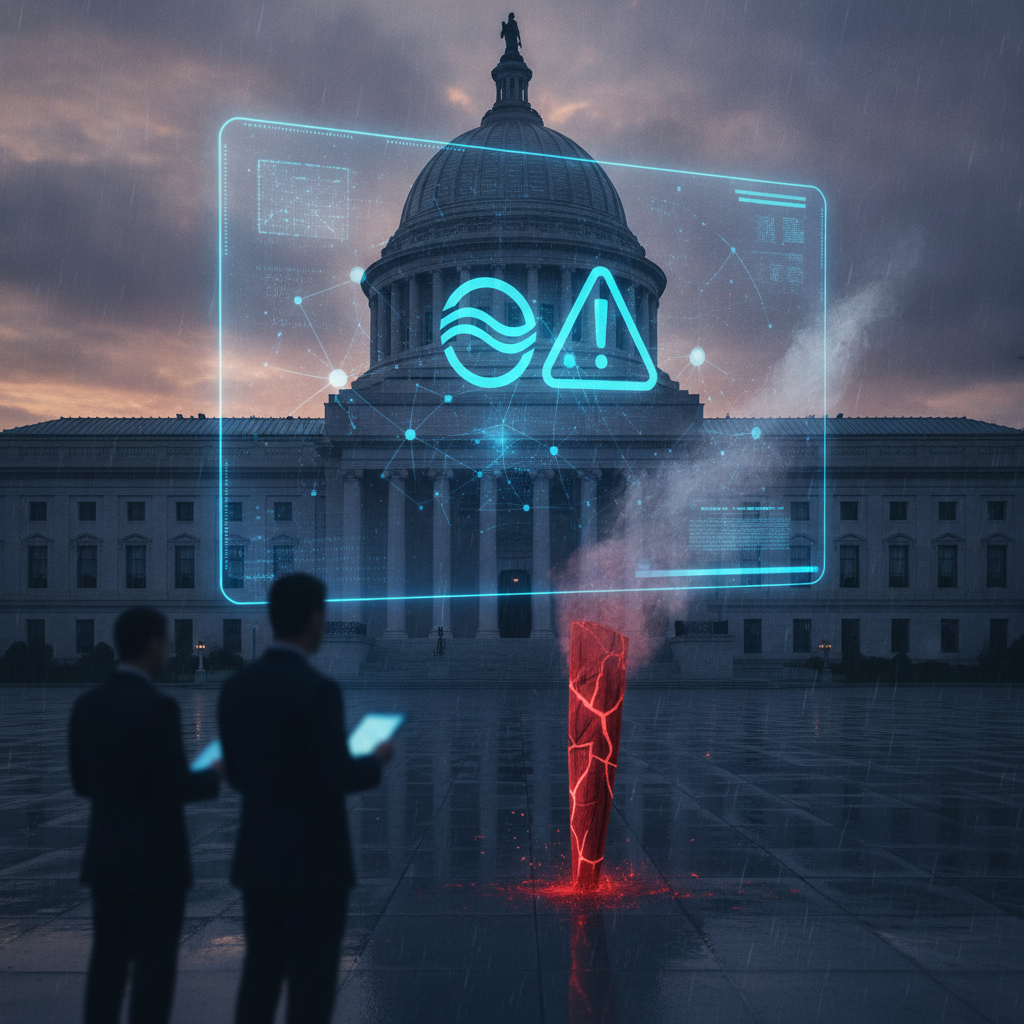
في خضم هذه التطورات، كشف تقرير مسرب لوزارة الخزانة الأمريكية عن مقارنة مقلقة بين سوق الذكاء الاصطناعي الحالي وفقاعة الدوت كوم التي شهدها العالم في مطلع الألفية. هذا التقرير، الذي يتناقض مع التفاؤل العام الذي تبديه الإدارة الأمريكية علنًا بشأن الذكاء الاصطناعي، يسلط الضوء على تزايد المخاوف من أن السوق يعاني من تضخم مفرط، وأن الأرباح المعلنة لشركات الذكاء الاصطناعي قد تخفي وراءها مخاطر أكبر. وفي مفارقة لافتة، تشهد بعض الشركات نجاحًا باهرًا، حيث أعلنت سامسونج عن قفزة هائلة في أرباحها بلغت 1800%، مسجلة بذلك أرباحًا ربع سنوية قياسية للمرة الثالثة على التوالي، مدفوعة بشكل أساسي بالمبيعات المزدهرة لرقائق الذكاء الاصطناعي. وقد حول هذا الازدهار سامسونج إلى شركة تقدر قيمتها بتريليون دولار، إلا أن أسهمها شهدت تراجعًا بسبب مخاوف المستثمرين من احتمال تباطؤ طفرة الذكاء الاصطناعي.
يتزايد التدقيق التنظيمي والمخاوف الأخلاقية مع التطور السريع للذكاء الاصطناعي. فقد وقع حاكم ولاية إلينوي على أقوى قانون للذكاء الاصطناعي في البلاد، والذي يهدف إلى حماية المواطنين من المخاطر المحتملة لأنظمة الذكاء الاصطناعي المتطورة، مما يعكس تباينًا متزايدًا في آراء المشرعين الأمريكيين حول كيفية تنظيم هذا القطاع. وفي سياق متصل، تستخدم وكالة الأمن السيبراني الأمريكية (CISA) نموذج "ميثوس" (Mythos) من شركة "أنثروبيك" (Anthropic) لتدقيق الشيفرات البرمجية الحكومية بحثًا عن الأخطاء والثغرات، وذلك على الرغم من الخلافات المستمرة بين "أنثروبيك" والبيت الأبيض. هذا الاستخدام يسلط الضوء على الطبيعة المزدوجة للذكاء الاصطناعي كأداة قوية للأمن، ولكنه يثير في الوقت نفسه تساؤلات حول الثقة والعلاقات بين الشركات والحكومات.
تزداد تعقيدات المشهد مع الكشف عن جوانب أقل شفافية في عالم الذكاء الاصطناعي. فقد تم الكشف عن أداة تتبع مخفية في نموذج "كلود كود" (Claude Code) التابع لـ "أنثروبيك"، كانت تراقب المستخدمين سرًا في الصين، وتمت إزالتها لاحقًا، مما أثار انتقادات حادة بشأن ممارسات الشركة المتعلقة بالمراقبة. هذه الحادثة، إلى جانب اكتشاف "مساحة تفكير" خفية داخل "كلود"، تضيف طبقات من التعقيد إلى قضايا شفافية الذكاء الاصطناعي وخصوصية المستخدم. وعلى الصعيد الاقتصادي، تدفع التكاليف المرتفعة لنماذج الذكاء الاصطناعي الرائدة الشركات الأمريكية نحو البحث عن بدائل أرخص، لا سيما من النماذج الصينية، مما يدفع مختبرات الذكاء الاصطناعي الصينية إلى التركيز بشكل كبير على تطوير المصادر المفتوحة، وهو ما قد يشير إلى تحول محتمل في القيادة والتعاون العالمي في مجال الذكاء الاصطناعي.
بعيدًا عن التحديات الأساسية للذكاء الاصطناعي، يواصل العالم التكنولوجي الأوسع الابتكار ومواجهة معضلات جديدة. يشتبه في أن روسيا تستخدم أسطولًا خفيًا من السفن التجارية لإطلاق طائرات بدون طيار فوق أوروبا، مما يسلط الضوء على التكتيكات الجيوسياسية المتطورة ورؤية أوروبا الخاصة لحروب المستقبل التي تعتمد على الطائرات بدون طيار. وفي صناعة الترفيه، يواجه قطاع التمثيل جدلاً كبيرًا مع ظهور "ممثلة" تعمل بالذكاء الاصطناعي تُدعى "تيلي نوروود" في فيلم روائي طويل، مما أثار إدانة شديدة من نقابات الممثلين. وعلى الصعيد العلمي، أظهر الباحثون أن البراهين الكمومية يمكن أن تتفوق على البراهين الكلاسيكية، مما يحل مشكلات لم تتمكن البراهين التقليدية من حلها، بينما تقدم النماذج الجديدة طمأنة بأن الأرض لن تبتلعها الشمس، وإن كان ذلك مع مستقبل قاتم للسكن عليها. هذه التطورات المتنوعة تؤكد على مشهد تكنولوجي ديناميكي، يتشكل بالتقدم الرائد والاعتبارات الأخلاقية والاقتصادية والجيوسياسية الملحة.
تضاف إلى العجائب العلمية "ثورة الحمض النووي القديم" التي يقودها متخصصون مثل إسكي ويلرسليف، والتي تكشف عن رؤى عميقة، بدءًا من إعادة بناء جينومات بشرية قديمة وصولاً إلى الكشف عن أنظمة بيئية ما قبل التاريخ في جرينلاند. يعد هذا المجال ليس فقط بإعادة كتابة التاريخ، بل بتقديم أدلة لمكافحة الأمراض الحديثة وتحسين إمدادات الغذاء العالمية في عالم يزداد دفئًا. وفي تطورات موجزة ولكنها مهمة، أوقفت ميتا برنامج تدريب الذكاء الاصطناعي الذي يتتبع ضغطات مفاتيح العمال، ودعت أنثروبيك إلى تباطؤ عالمي في تطوير الذكاء الاصطناعي، وكشفت ناسا عن خطط لثلاث مهام غير مأهولة إلى القمر هذا العام، وتجاوز تقييم سبيس إكس الآن تقييم أمازون، مما يوضح التحولات السريعة والتطورات المتنوعة في جميع أنحاء عالم التكنولوجيا.