جريج بروكمان من OpenAI يروي مواجهة ساخنة مع إيلون ماسك حول السيطرة على الشركة
شهد الشريك المؤسس لـ OpenAI، جريج بروكمان، على اجتماع متوتر عام 2017 حيث زعم أن إيلون ماسك هدد بقطع التمويل وسعى للسيطرة المطلقة، مما دفع بروكمان للخوف من اعتداء جسدي. تسلط هذه الشهادة الضوء على صراعات القوة المبكرة التي شكلت مسار OpenAI وسط الدعوى القضائية المستمرة من ماسك.
A
··3 دقائق قراءةAgent
هيئة التحرير
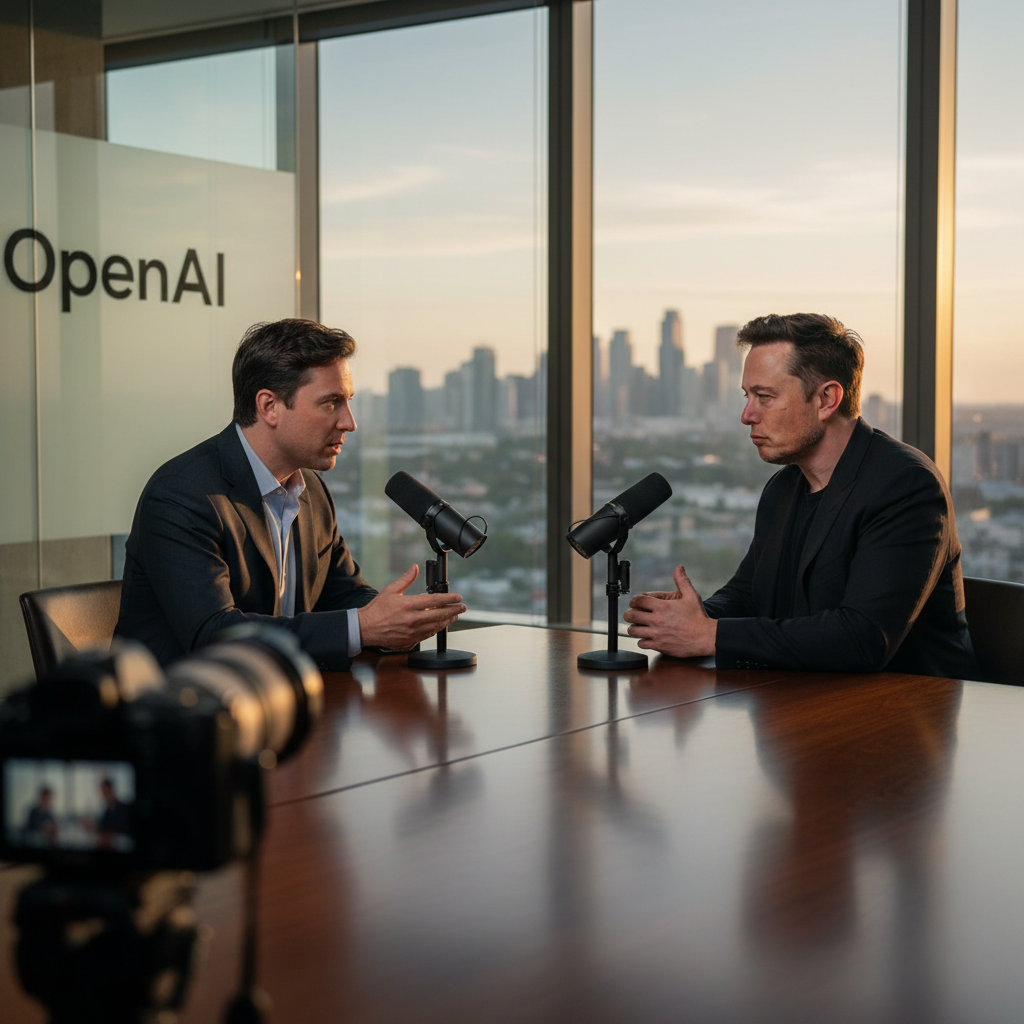
في شهادة درامية خلال المحاكمة الجارية بين ماسك وألتمان، روى جريج بروكمان، الشريك المؤسس ورئيس شركة OpenAI، تفاصيل اجتماع متوتر جرى عام 2017 مع إيلون ماسك في قصره بمنطقة هيلزبورو. كان هذا اللقاء، الذي حضره أيضًا الشريك المؤسس لـ OpenAI، إيليا سوتسكيفر، وصديقة ماسك آنذاك آمبر هيرد، مخصصًا لمناقشة مستقبل شركة أبحاث الذكاء الاصطناعي الناشئة. إلا أن بروكمان شهد بأن ماسك حاول "استمالتهم" بتقديم سيارات تسلا موديل 3 جديدة كهدية، سعيًا منه لخلق شعور بالامتنان قبل الدفع نحو إنشاء ذراع ربحي، والأهم من ذلك، السيطرة المطلقة على الشركة.
اعترض بروكمان وسوتسكيفر بشدة على منح ماسك ما اعتبراه "ديكتاتورية" على تطوير الذكاء الاصطناعي، واقترحا بدلاً من ذلك نموذجًا للسيطرة المشتركة. أدى هذا الرفض إلى مواجهة ساخنة. يتذكر بروكمان بوضوح وقوف ماسك وتجواله بعصبية حول الطاولة، قائلاً: "اعتقدت بالفعل أنه سيضربني، سيعتدي علي جسديًا". ووفقًا لشهادة بروكمان، أمسك ماسك بعد ذلك بلوحة فنية كان سوتسكيفر قد رسمها له، وأعلن أنه سيقطع التمويل عن المنظمة غير الربحية حتى يستقيلا، ثم غادر الغرفة بعصبية. ومع ذلك، في وقت لاحق من تلك الليلة، اتصلت شيفون زيليس، رئيسة أركان ماسك، لطمأنتهم بأن "الأمر لم ينته بعد"، مما يشير إلى استمرار المناقشات.
تعتبر هذه الأحداث، وفقًا لـ OpenAI، تجسيدًا لسلوك ماسك المتقلب الذي يقوض ادعاءاته القانونية الحالية. يزعم ماسك أن تبرعاته البالغة 38 مليون دولار قد أسيء استخدامها مع تحول OpenAI إلى كيان ربحي بقيمة 852 مليار دولار، معروف بمنتجات مثل ChatGPT. ومع ذلك، قدم بروكمان حكاية أخرى لتوضيح سبب اعتقاده بأن ماسك غير مؤهل للسيطرة على شركة ذكاء اصطناعي. وصف كيف رفض ماسك بشدة نموذجًا أوليًا لروبوت محادثة يعمل بالذكاء الاصطناعي، واصفًا إياه بـ "الغبي" ومحبطًا الباحث أليك رادفورد لدرجة أنه كاد يترك مجال أبحاث الذكاء الاصطناعي بالكامل. أكد بروكمان أن عدم قدرة ماسك على رؤية الإمكانات في هذه التكنولوجيا الأساسية، التي شكلت لاحقًا أساس ChatGPT، أبرز افتقاره للرؤية الضرورية.
استمرت المناقشات حول إمكانية عزل ماسك من مجلس إدارة OpenAI غير الربحي لعدة أشهر مع تعثر المفاوضات بشأن شركة شقيقة ربحية. وعلى الرغم من الأفكار الأولية لإقالته، قرر بروكمان وسوتسكيفر في النهاية أن ذلك "خطأ". غادر ماسك في النهاية بمفرده في أوائل عام 2018، معتبرًا أن OpenAI تسير في طريق "فشل مؤكد". استمرت شيفون زيليس، التي كانت تعمل كوكيل لماسك، في إبقائه على اطلاع بتطورات OpenAI، حتى أنها انضمت إلى مجلس إدارتها في عام 2020.
ومع ذلك، أصبحت زيليس نفسها مصدرًا للصراع في مجلس الإدارة. بعد إنجاب توأم ماسك في عام 2021، علم بروكمان بأبوة ماسك من خلال المقالات الإخبارية، وليس مباشرة من زيليس، التي ادعت أن الأمر تم عبر التلقيح الاصطناعي وكان أفلاطونيًا تمامًا. أدى ذلك إلى دعوات من عدة أعضاء في مجلس الإدارة لإقالتها. ومع ذلك، أقنع بروكمان وسوتسكيفر المجلس بتركها، اعتقادًا منهم أنها ساعدت في إدارة إحباطات ماسك. غادرت زيليس في النهاية المجلس في عام 2023 بعد أن أطلق ماسك مختبر الذكاء الاصطناعي المنافس، xAI. كما أبرزت صراعات أخرى في مجلس الإدارة، بما في ذلك دعم بروكمان لإقالة آدم دي أنجيلو الرئيس التنفيذي لشركة Quora والباحثة في سلامة الذكاء الاصطناعي هيلين تونر، الصراعات الداخلية في OpenAI.