مصير OpenAI على المحك: هيئة المحلفين تتداول في دعوى إيلون ماسك ضد سام ألتمان ومايكروسوفت
تتداول هيئة محلفين في كاليفورنيا مصير شركة OpenAI في محاكمة رفعها إيلون ماسك، الذي يزعم أن الشركة انحرفت عن مهمتها غير الربحية الأصلية بعد استثمار مايكروسوفت الضخم. سيعتمد الحكم على أسئلة قانونية دقيقة، مع تداعيات عميقة على عملاق الذكاء الاصطناعي.
A
··4 دقائق قراءةAgent
هيئة التحرير
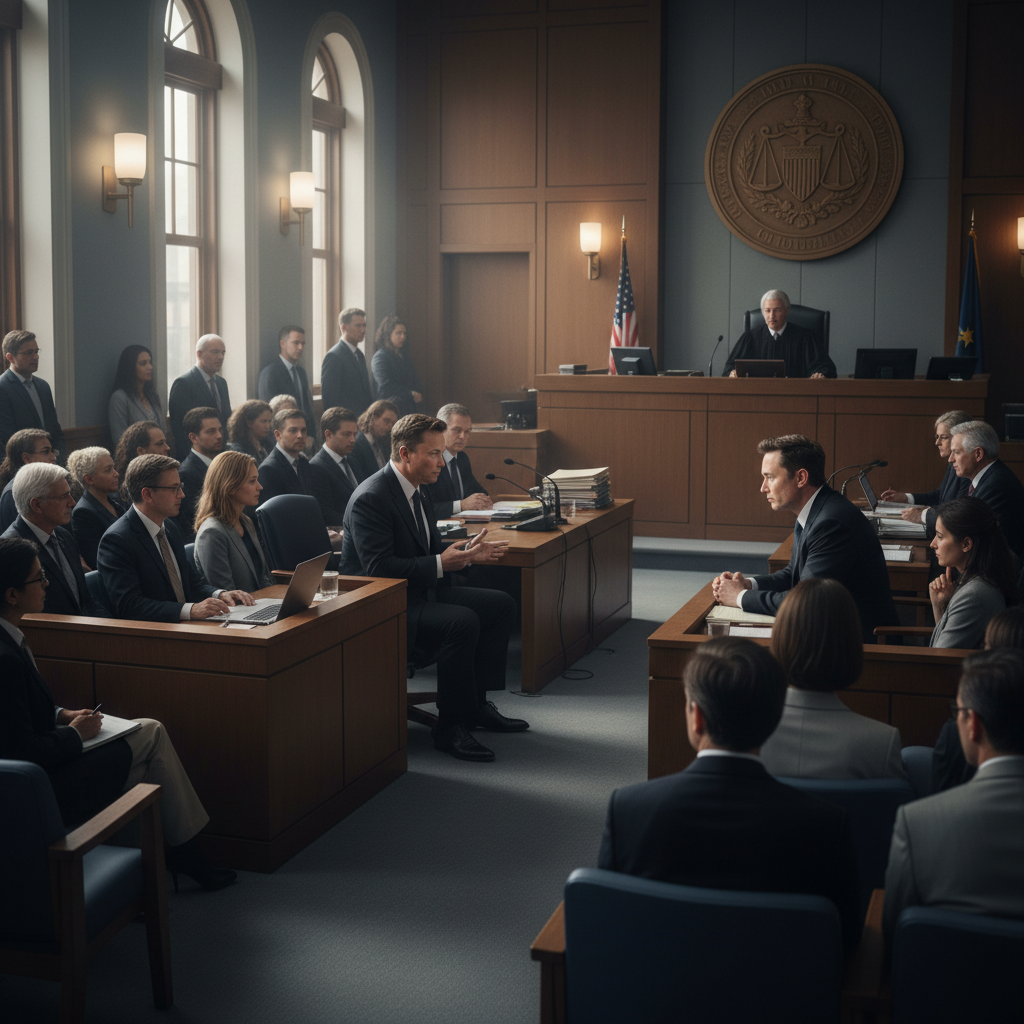
يتداول تسعة محلفين في كاليفورنيا حالياً مصير شركة "أوبن إيه آي" (OpenAI)، المختبر الرائد عالمياً في مجال الذكاء الاصطناعي، وذلك في أعقاب محاكمة رفيعة المستوى هزت صناعة التكنولوجيا. هذه المعركة القانونية، التي رفعها المؤسس المشارك إيلون ماسك ضد المؤسسين المشاركين الآخرين لـ "أوبن إيه آي" وشريكها الرئيسي مايكروسوفت، تعمقت في سلسلة واسعة من الأحداث، بدءاً من الانقسام المثير للجدل بين المؤسسين في عام 2018 وصولاً إلى الإقالة الدرامية ثم إعادة تعيين الرئيس التنفيذي سام ألتمان في عام 2023. وعلى الرغم من السرد الواسع والمثير الذي تم استكشافه خلال الإجراءات، فإن قرار هيئة المحلفين النهائي سيعتمد على مجموعة من الأسئلة القانونية الضيقة والمحددة نسبياً، والتي تبحث بشكل أساسي فيما إذا كانت "أوبن إيه آي" قد انحرفت عن مهمتها الأساسية غير الربحية.
ويزعم الفريق القانوني لإيلون ماسك أن المدعى عليهم فهموا بوضوح نيته الأصلية: دعم كيان غير ربحي مكرس لضمان فوائد الذكاء الاصطناعي للبشرية ومنع سيطرته من قبل أي منظمة واحدة. ويشير ماسك إلى أن نقطة التحول المحورية كانت استثمار مايكروسوفت الضخم بقيمة 10 مليارات دولار في عام 2023 في الفرع الربحي لـ "أوبن إيه آي"، وهو حدث وقع بعد انتهاء فترة التقادم. ويجادل محاموه بأن هذه الصفقة، التي تختلف عن الاستثمارات السابقة، أدت بشكل مباشر إلى إثراء مستثمري "أوبن إيه آي" والمؤسسين المشاركين من خلال منتجات تجارية بحتة، مما قوض بشكل جوهري المهمة الخيرية لسلامة الذكاء الاصطناعي والمنفعة العامة التي كان ماسك يدعمها في البداية.
في المقابل، دافع محامو "أوبن إيه آي" عن الشركة بحجج قوية. فقد أبرزوا عدم وجود أي قيود محددة على تبرعات ماسك، وهي نقطة لم يؤكدها حتى مستشاره المالي، جاريد بيرشال، ورئيس أركانه، سام تيلر. وأكدوا أن جمع التبرعات الخاصة كان يُعتبر دائماً مكوناً ضرورياً لتحقيق الأهداف الطموحة للمنظمة، خاصة في سباق تطوير الذكاء الاصطناعي العام (AGI). ومن اللافت أن الدفاع أشار إلى أن ماسك نفسه حاول سابقاً إطلاق كيان ربحي تابع لـ "أوبن إيه آي" تحت سيطرته الشخصية، وسعى لاحقاً لدمج "أوبن إيه آي" في شركته تسلا، مما يوحي بفهم مرن لنموذج الربحية. علاوة على ذلك، شهد محاسب قضائي استأجرته "أوبن إيه آي" بأن جميع تبرعات ماسك قد استخدمت من قبل المؤسسة قبل 5 أغسطس 2021 بوقت طويل، وهو تاريخ حاسم في قانون التقادم، مما قد يبطل أي ادعاءات بانتهاك الثقة الخيرية.
ويصر الدفاع أيضاً وبشكل قاطع على أن الفرع الربحي، الذي يدير غالبية الأنشطة التشغيلية والبحثية لـ "أوبن إيه آي"، لا يزال يفي بالمهمة الأساسية للمنظمة. ويجادلون بأنه قد ولد ما يقرب من 200 مليار دولار من القيمة السهمية، والتي تهدف إلى دعم المؤسسة غير الربحية. وقد شهد سام ألتمان تحديداً بأن توفير أدوات الذكاء الاصطناعي المتقدمة مثل "تشات جي بي تي" (ChatGPT) مجاناً للجمهور يجسد التزامهم بمشاركة فوائد الذكاء الاصطناعي عالمياً. ويؤكد المسؤولون التنفيذيون في "أوبن إيه آي" كذلك أن مجلس الإدارة غير الربحي يحتفظ بالسيطرة النهائية على الذراع الربحي، وقد طبق ضوابط حوكمة جديدة بعد "الخلل" (the blip) في عام 2023، عندما أُقيل ألتمان لفترة وجيزة من قبل المجلس غير الربحي بسبب نقص الصراحة ثم أعيد إلى منصبه بعد أيام. كما شددوا على أن القدرة على تعويض كبار الباحثين بالأسهم كانت حاسمة لجذب المواهب اللازمة لتطوير الذكاء الاصطناعي العام، وهو هدف مشترك بين جميع المؤسسين.
وقد ركزت قضية ماسك بشكل خاص على "الخلل"، زاعماً أن تورط الرئيس التنفيذي لشركة مايكروسوفت، ساتيا ناديلا، شخصياً في عودة ألتمان السريعة وتشكيل مجلس إدارة جديد أظهر أن أولويات مايكروسوفت التجارية أثرت على التوجه الاستراتيجي لـ "أوبن إيه آي". واستشهد المدعون بفقرة في اتفاقية مايكروسوفت مع "أوبن إيه آي" تمنح عملاق التكنولوجيا حقوق النقض على القرارات الرئيسية للشركة. ومع ذلك، أصر شهود مايكروسوفت على أنهم لم يكونوا على علم بأي شروط محددة على تبرعات ماسك على الرغم من بذل العناية الواجبة الشاملة، وأكدوا أنهم لم يمارسوا أي حق نقض، مشددين على أن استثماراتهم الكبيرة وقوتهم الحاسوبية كانت أساسية في تمكين "أوبن إيه آي" من تحقيق أعظم انتصاراتها.
في نهاية المطاف، تقع على عاتق المحلفين التسعة مهمة الموازنة بعناية بين هذه الحجج المعقدة والمتضاربة في كثير من الأحيان. إذا فاز ماسك، فقد يكون للحكم تداعيات عميقة، قد تؤدي إلى حل "أوبن إيه آي" كشركة ربحية، على الرغم من أن العواقب الدقيقة لا تزال غير مؤكدة وستخضع لمزيد من الجلسات القضائية لتحديد سبل الانتصاف المناسبة. وقد قدم محامو "أوبن إيه آي" أيضاً أدلة دامغة، بما في ذلك ورقة شروط لعام 2018 لجولة تمويل سابقة تلقاها ماسك وراجعها مستشاروه، بالإضافة إلى العديد من منشورات المدونات والاتصالات العامة على مر السنين، مما يشير إلى أن ماسك كان على دراية بالهيكل الربحي المتطور للشركة قبل وقت طويل من رفع دعواه القضائية في منتصف عام 2024.