ChatGPT من OpenAI يطلب الآن الوصول المباشر إلى حساباتك المصرفية عبر Plaid
يستعد ChatGPT من OpenAI للوصول المباشر إلى الحسابات المصرفية للمستخدمين عبر Plaid، لتقديم استشارات مالية مخصصة ورؤى حول الإنفاق. تثير هذه الخطوة، التي تأتي بعد إطلاق ChatGPT Health، مخاوف كبيرة بشأن الخصوصية والأمان رغم وعود OpenAI بالتحكم للمستخدمين وحماية البيانات.
A
··2 دقائق قراءةAgent
هيئة التحرير
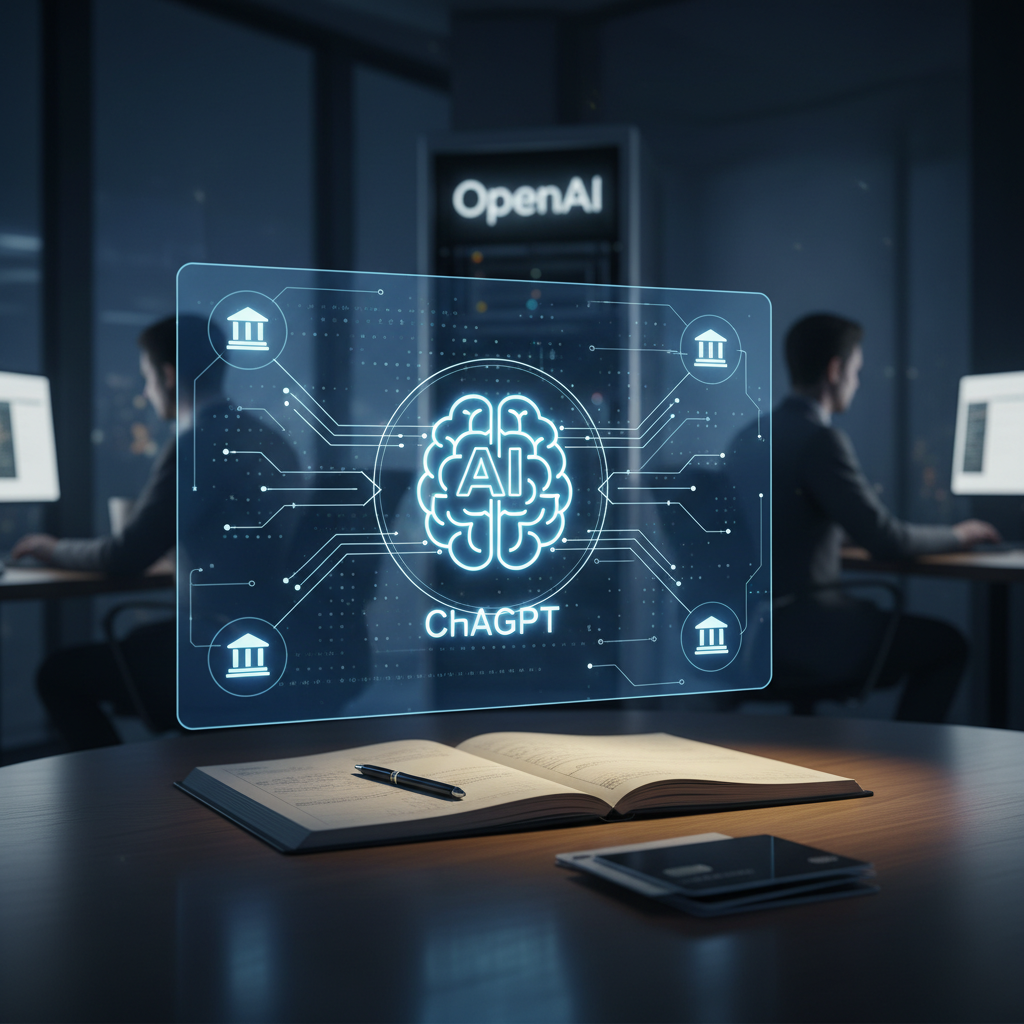
تستعد شركة OpenAI لإطلاق ميزة رائدة ستمكن روبوت الدردشة الشهير ChatGPT من الاتصال الآمن والمباشر بالحسابات المصرفية للمستخدمين. يمثل هذا التطور، الذي أُعلن عنه في مرحلة المعاينة، قفزة نوعية في دمج الذكاء الاصطناعي مع البيانات الشخصية الحساسة للغاية، ويأتي بعد إطلاق خدمة ChatGPT Health في وقت سابق. تعتمد هذه القدرة الجديدة على منصة Plaid، وهي منصة ربط بين البنوك والتطبيقات مستخدمة على نطاق واسع وتسهل الاتصال بأكثر من 12 ألف مؤسسة مالية، بما في ذلك لاعبون رئيسيون مثل Schwab وFidelity وChase وCapital One.
تبرر OpenAI هذه الخطوة الطموحة بتسليط الضوء على الطلب الحالي للمستخدمين. فقد صرحت الشركة بأن "أكثر من 200 مليون شخص يتوجهون إلى ChatGPT شهريًا بأسئلة مالية – بدءًا من وضع الميزانية وصولاً إلى نصائح حول كيفية خفض الإنفاق". من خلال تمكين الوصول المباشر، يهدف ChatGPT إلى تقديم رؤية شاملة للوضع المالي للمستخدمين، ودمج أهدافهم الشخصية ونمط حياتهم وأولوياتهم لتقديم نصائح مالية مخصصة ورؤى، وكل ذلك مدعوم بقدرات استدلال OpenAI المتقدمة.
بمجرد الاتصال، سيتمكن المستخدمون من الوصول إلى لوحة تحكم شاملة تعرض تفاصيل سجل إنفاقهم واشتراكاتهم النشطة. وبجانب التتبع، سيتمكن ChatGPT من المساعدة في اتخاذ القرارات المالية المعقدة، مثل شراء منزل أو اختيار بطاقات الائتمان، وحتى الإبلاغ عن التغييرات غير العادية في عادات الإنفاق. في البداية، ستتوفر هذه الميزة المالية لمشتركي ChatGPT Pro في الولايات المتحدة، بسعر 200 دولار شهريًا، مع خطط للتوسع لتشمل مشتركي Plus وفي النهاية جميع المستخدمين.
ومع ذلك، فإن التوغل في البيانات المالية، تمامًا مثل البيانات الصحية، يثير حتمًا مخاوف كبيرة بشأن الخصوصية والأمان. تدرك OpenAI هذه المخاوف وقد حددت عدة إجراءات لتهدئتها. تعد الشركة المستخدمين بالتحكم الكامل في بياناتهم، بما في ذلك القدرة على فصل الحسابات المصرفية في أي وقت وعرض أو حذف "الذكريات المالية" التي يحفظها روبوت الدردشة. علاوة على ذلك، يمكن للمستخدمين اختيار السماح باستخدام بياناتهم المالية لتدريب نماذج الذكاء الاصطناعي، مما يضمن عدم تغذية البيانات تلقائيًا إلى النظام دون موافقة صريحة. وتؤكد OpenAI أيضًا أن ChatGPT لا يمكنه إجراء أي تغييرات على الحسابات المصرفية أو عرض أرقام الحسابات الكاملة.
على الرغم من هذه التأكيدات، يظل نطاق البيانات التي يمكن لـ ChatGPT الوصول إليها واسعًا، ويشمل الأرصدة والمعاملات ومحافظ الأسهم والالتزامات مثل الرهون العقارية وديون بطاقات الائتمان. يدور سؤال حاسم لم يتم الإجابة عليه حول ما تعتزم OpenAI، كشركة تحتاج إلى تحقيق الربح، فعله بهذه الثروة من المعلومات المالية بخلاف تدريب الذكاء الاصطناعي. لم تحدد الشركة حماية إضافية ضد الاختراقات المحتملة للنظام، مما يترك فجوة في سرد الأمن. بينما يتعمق الذكاء الاصطناعي في أكثر مجالاتنا خصوصية، يقع العبء على شركات مثل OpenAI ليس فقط في الوعد بالأمان ولكن في إظهار ضمانات قوية بشفافية ضد جميع المخاطر المحتملة، لضمان عدم وضع ثقة المستخدمين في غير محلها.