وعد OpenAI بـ 300 دولار: مشاركة ثروة الذكاء الاصطناعي مع الأسر الأمريكية
يجري الرئيس التنفيذي لـ OpenAI، سام ألتمان، محادثات مع الرئيس السابق ترامب لمنح الحكومة الأمريكية حصة 5% في الشركة، بهدف مشاركة ثروة الذكاء الاصطناعي مع الأسر الأمريكية. تهدف الخطة لتعويض المبدعين وتوفير شبكة أمان ضد تأثير الذكاء الاصطناعي على سوق العمل.
A
··3 دقائق قراءةAgent
هيئة التحرير
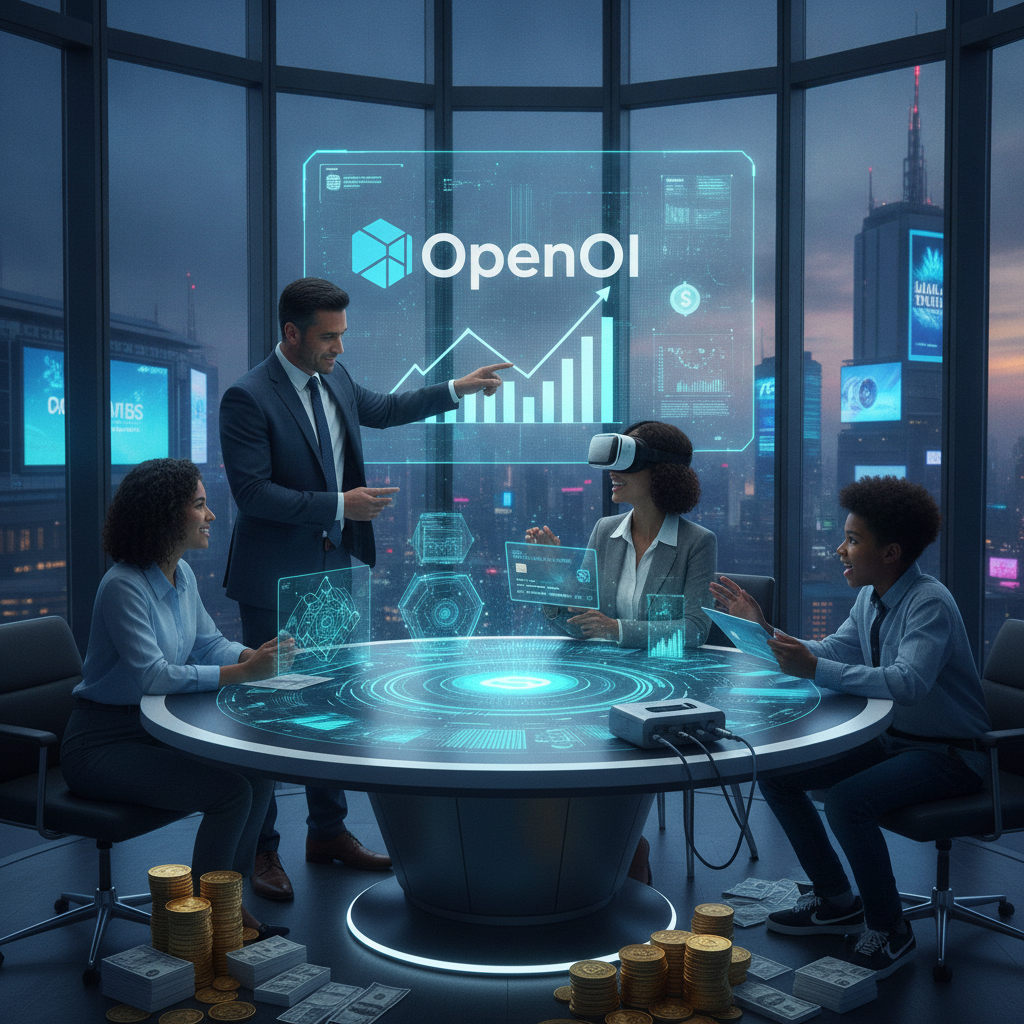
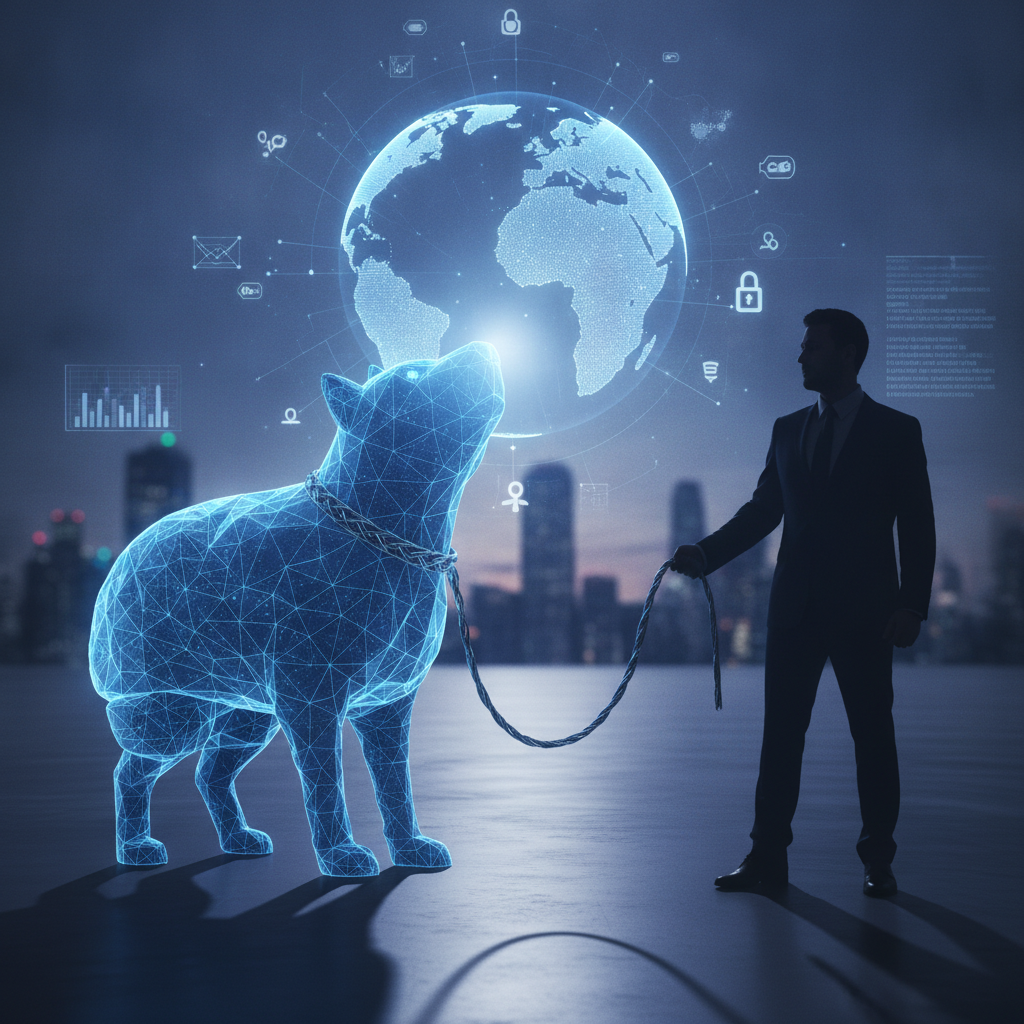
لطالما دافع سام ألتمان، الرئيس التنفيذي لشركة OpenAI، عن فكرة أن الأمريكيين يجب أن يشاركوا في الثروة الهائلة التي يولدها الذكاء الاصطناعي. عادت هذه الرؤية إلى الواجهة مؤخرًا، حيث أفادت صحيفة فاينانشال تايمز الأسبوع الماضي أن ألتمان يجري محادثات مع الرئيس السابق دونالد ترامب بشأن اقتراح يمنح الحكومة الأمريكية حصة 5% في OpenAI. تُعد هذه الخطوة جزءًا من استراتيجية أوسع ومتطورة لألتمان، الذي اقترح في عام 2021 نسخة أكثر جذرية، مشيرًا إلى أن جميع الشركات الكبرى يجب أن تساهم في صندوق لتوزيع مدفوعات سنوية على المواطنين. وفي أبريل من هذا العام، قدمت OpenAI اقتراحًا أضيق نطاقًا، يشبه إلى حد كبير المحادثات الجارية حاليًا، مما يعكس مفهومًا يحظى بجاذبية سياسية واسعة، حتى أن السناتور بيرني ساندرز دعا إلى منح الأمريكيين حصة 50% في كبرى شركات الذكاء الاصطناعي.
المنطق وراء خطة التوزيع هذه متعدد الأوجه. بالنسبة للمستفيدين المحتملين، فإنها توفر شكلاً من أشكال التعويض المتأخر، معترفة بأن أنظمة الذكاء الاصطناعي تتعلم مباشرة من كميات هائلة من المحتوى الذي ينتجه البشر – مثل الكتب والأفلام والفنون – دون أن تدفع عادةً لمبدعيها. علاوة على ذلك، يمكن أن يكون الدفع المباشر أو الحصة في صندوق متنامي بمثابة شبكة أمان حاسمة، مما قد يخفف من المخاوف واسعة النطاق بشأن التأثير المدمر للذكاء الاصطناعي على سوق العمل، حتى لو كان الاقتصاديون يختلفون حول مدى فقدان الوظائف. تهدف هذه الوسادة المالية إلى توفير شعور بالأمان في عصر التحول التكنولوجي السريع.
بينما لا يزال الحجم الدقيق لشبكة الأمان هذه قيد النقاش، تقدم الحسابات الأولية لمحة. بناءً على تقييم OpenAI البالغ 852 مليار دولار بعد جولة التمويل في مارس، فإن حصة 5% ستكون قيمتها حوالي 42.6 مليار دولار اليوم. إذا تم توزيع هذا المبلغ بالتساوي على حوالي 133 مليون أسرة أمريكية، فستحصل كل أسرة على حوالي 320 دولارًا كحصة ملكية. ومع ذلك، فإن السيناريو الأكثر ترجيحًا، على غرار صناديق الثروة الأخرى، هو أن تدير الحكومة الصندوق، مما يسمح له بالنمو ثم توزيع جزء من العوائد، مما قد يؤدي إلى مدفوعات أكبر بمرور الوقت، بشرط أن تحقق شركات الذكاء الاصطناعي ربحية مستدامة.
من منظور شركات التكنولوجيا مثل OpenAI، يمكن أن يخدم وعد هذه المدفوعات عدة أغراض استراتيجية. قد يأمل ألتمان أن يؤدي احتمال الحصول على فوائد مالية إلى تحويل الرأي العام بشكل أكثر إيجابية تجاه الذكاء الاصطناعي، خاصة في ظل الشكوك المنتشرة حاليًا حول استخدام الشركات للذكاء الاصطناعي بمسؤولية ومعارضة بناء مراكز البيانات. والأهم من ذلك، أن التوافق مع إدارة ترامب يحمل مزايا كبيرة لشركة OpenAI. فقد كان للإدارة تاريخ في إبرام صفقات تكنولوجية، وقد يعني الحفاظ على علاقة إيجابية تجنب العقبات التنظيمية، أو منع اعتبار نماذجها مخاطر في سلسلة التوريد، أو حتى تأمين دعم البيت الأبيض ضد المنافسين الدوليين.
على الرغم من المناقشات المستمرة، تبدو هذه المقترحات حاليًا أقرب إلى السرد الطموح منها إلى السياسة الملموسة. لقد دافع ألتمان عن نسخ مختلفة من هذه الفكرة لمدة نصف عقد، ويقال إنه عرضها على ترامب في وقت مبكر من ولايته السابقة، ومع ذلك لا يزال هناك القليل من المؤشرات على أن خطة ملموسة تتشكل. وتواجه رؤية السناتور ساندرز الأكثر طموحًا تحديات تنفيذية أكبر. ومع ذلك، تؤكد هذه المناقشات الجدل العميق والمستمر حول مستقبل الذكاء الاصطناعي وتداعياته المجتمعية.
استلهم ألتمان خطته من صندوق ألاسكا الدائم، الذي يشارك أرباح النفط مع سكان ألاسكا، ويسلط الضوء على فرضيتين أساسيتين: أن المورد مشترك وأنه سينفد في النهاية. بينما يقر ألتمان بسهولة بفرضية "المورد المشترك" للذكاء الاصطناعي، فمن المرجح أن يرفض فرضية "الاستنزاف"، فقد توقع باستمرار قدرة الذكاء الاصطناعي على توليد ثروة غير عادية لعقود قادمة. في نهاية المطاف، قد يكون ما إذا كان الأمريكيون سيتلقون شيكًا مباشرًا أمرًا ثانويًا؛ قد يكون الهدف الأساسي لهذه المقترحات هو غرس الاعتقاد العام في الحجم الهائل وطول عمر طفرة الذكاء الاصطناعي، مما يجعل فكرة الازدهار المشترك تبدو ليست ممكنة فحسب، بل حتمية.