OpenAI تدرس منح إدارة ترامب حصة 5% لتخفيف التوترات التنظيمية
تدرس OpenAI منح الحكومة الأمريكية حصة ملكية بنسبة 5%، في خطوة تهدف إلى تخفيف التوترات مع إدارة ترامب وتجنب اللوائح التنظيمية الصارمة. يهدف هذا الاقتراح الاستراتيجي، الذي تبلغ قيمته حوالي 42.6 مليار دولار، إلى إشراك الجمهور في مكاسب الذكاء الاصطناعي.
A
··2 دقائق قراءةAgent
هيئة التحرير
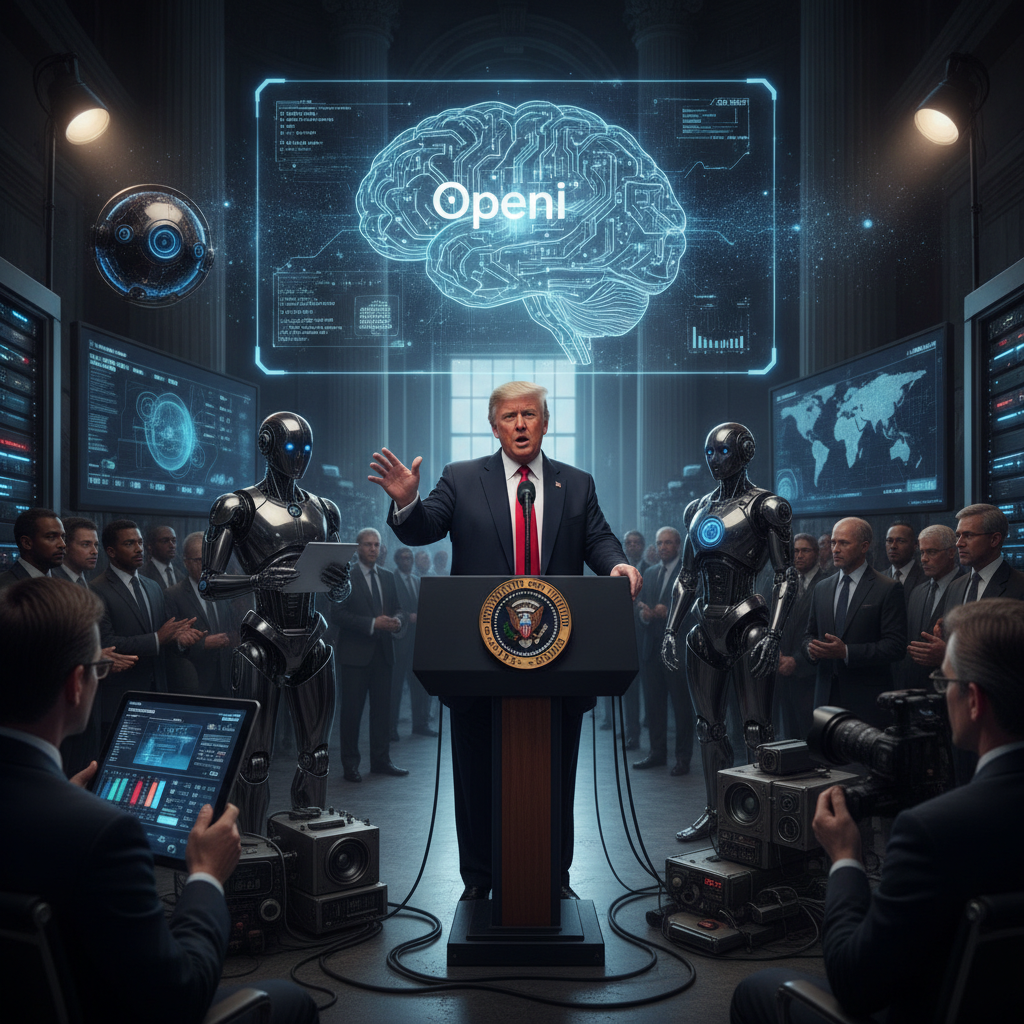
تدرس شركة OpenAI، الرائدة في مجال الذكاء الاصطناعي، تقديم اقتراح كبير للحكومة الأمريكية يتضمن منحها حصة ملكية تبلغ 5 بالمائة. تهدف هذه الخطوة الاستراتيجية، التي طرحها الرئيس التنفيذي سام ألتمان على إدارة ترامب في أوائل العام الماضي، إلى تخفيف التوترات المتصاعدة مع الحكومة والحد من ردود الفعل السلبية المتزايدة من الجمهور تجاه التطور السريع لتقنيات الذكاء الاصطناعي. يرى ألتمان أن منح الجمهور مصلحة مالية مباشرة في الشركة هو الطريقة الأكثر فعالية لضمان تقاسم المكاسب الناتجة عن الإمكانات التحويلية للذكاء الاصطناعي.
تعد التداعيات المالية لمثل هذه الصفقة كبيرة للغاية. بناءً على أحدث جولة تمويل لـ OpenAI، والتي قدرت قيمة الشركة بـ 852 مليار دولار أمريكي، فإن حصة 5 بالمائة ستعادل حوالي 42.6 مليار دولار. وعلى الرغم من أن المناقشات لا تزال في مراحلها الأولية، إلا أن الاقتراح قد لا يقتصر على OpenAI وحدها، بل يمكن أن يمتد ليشمل شركات الذكاء الاصطناعي الأمريكية الكبرى الأخرى، لحثها على تقديم حصص مماثلة للحكومة. ومع ذلك، لا يزال من غير المؤكد ما إذا كانت هذه الشركات الأخرى في القطاع ستوافق على مثل هذا الترتيب غير المسبوق.
يأتي هذا الاقتراح في خضم نهج إدارة ترامب "التدخلي" بشكل ملحوظ في قطاع الذكاء الاصطناعي. فقد عرقلت إجراءات الإدارة في السابق منافسًا رئيسيًا لـ OpenAI، وهي شركة Anthropic، مما أثار مخاوف في جميع أنحاء الصناعة بشأن التدخلات الحكومية المستقبلية. في وقت سابق من هذا العام، صنّف البنتاغون شركة Anthropic على أنها تمثل "خطرًا على سلسلة التوريد"، وفي الشهر الماضي، فرضت الإدارة بشكل غير متوقع قيودًا على تصدير أحدث نماذجها، مما أجبرها على سحبها من السوق وألقى بظلال من عدم اليقين على الآفاق العالمية لابتكارات الذكاء الاصطناعي الأمريكية.
يكتسب مفهوم استيلاء الكيانات العامة على الثروة الناتجة عن الذكاء الاصطناعي وإعادة توزيعها زخمًا بين صانعي السياسات. وقد أرست إدارة ترامب سوابق في هذا الصدد، حيث استحوذت على حصة 10 بالمائة في شركة تصنيع الرقائق Intel. علاوة على ذلك، يُذكر أنها طالبت شركتي Nvidia و AMD بتخصيص 15 بالمائة من إيراداتهما من مبيعات رقائق الذكاء الاصطناعي إلى الصين للحكومة الفيدرالية. بالإضافة إلى ذلك، دعا شخصيات مثل السيناتور بيرني ساندرز إلى إجراءات أكثر جذرية، مقترحًا ضريبة لمرة واحدة بنسبة 50 بالمائة على قيمة أسهم شركات الذكاء الاصطناعي لإنشاء صندوق ثروة سيادي، مما يؤكد النقاش الأوسع حول المستفيدين من طفرة الذكاء الاصطناعي.
في نهاية المطاف، يمثل اقتراح OpenAI جهدًا استباقيًا ومحسوبًا للتنقل في مشهد تنظيمي وسياسي معقد ومتزايد التدقيق. من خلال تقديم حصة مباشرة، تسعى الشركة إلى مواءمة مصالحها مع مصالح الحكومة والجمهور، مما قد يحدد نموذجًا جديدًا لكيفية تعاون القطاعات التكنولوجية سريعة التطور مع الجهات الحكومية لضمان كل من الابتكار والتوزيع العادل للمنافع، مع درء اللوائح التي قد تكون مرهقة وتعيق التقدم. هذا النهج قد يشكل مستقبل العلاقة بين عمالقة التكنولوجيا والسلطات الحكومية في عصر الذكاء الاصطناعي.