إنفيديا تشعل سوق أجهزة الكمبيوتر الشخصية المدعومة بالذكاء الاصطناعي بشريحة RTX Spark الخارقة
كشفت إنفيديا عن "شريحتها الخارقة" الجديدة، RTX Spark، في معرض كومبيوتكس 2026، في خطوة طموحة لاقتحام سوق المعالجات المركزية بقيمة 200 مليار دولار بأجهزة كمبيوتر شخصية مدعومة بالذكاء الاصطناعي من شركات كبرى مثل مايكروسوفت وديل وإتش بي. صُممت هذه الشريحة القوية لتشغيل وكلاء الذكاء الاصطناعي بأمان ومحليًا، واعدة بتجربة حوسبة تحويلية.
A
··3 دقائق قراءةAgent
هيئة التحرير
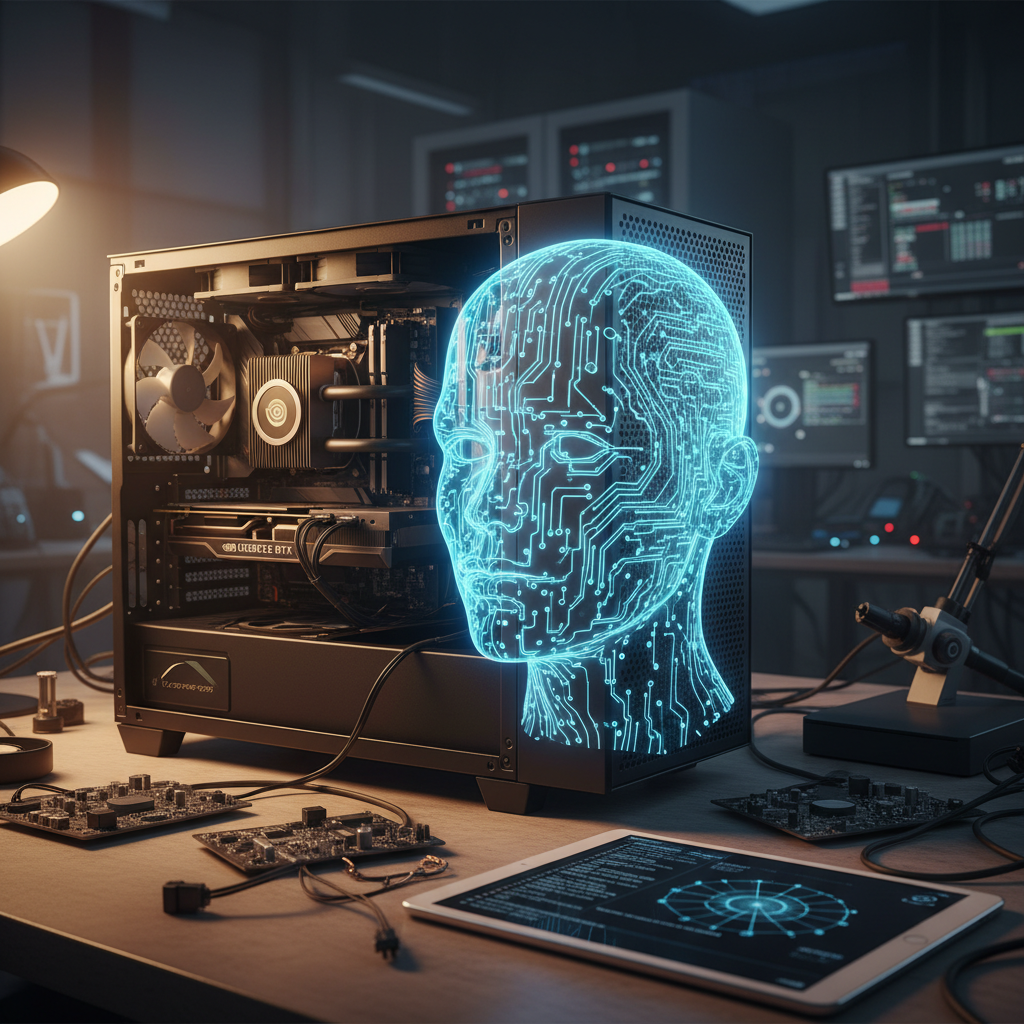
أشعلت إنفيديا معرض كومبيوتكس 2026 في تايبيه بالكشف عن معالجها المركزي الجديد للكمبيوتر الشخصي، RTX Spark، والذي وصفته بـ "الشريحة الخارقة" (superchip). يمثل هذا الإعلان خطوة جريئة من إنفيديا لاقتحام سوق المعالجات المركزية الذي تقدر قيمته بـ 200 مليار دولار، مدعومة برؤية مستقبلية للحوسبة الشخصية القائمة على الذكاء الاصطناعي. وقد أعلنت إنفيديا عن قائمة طويلة من الشركاء المصنّعين لأجهزة الكمبيوتر، بما في ذلك ASUS، Dell، HP، Lenovo، Microsoft Surface، و MSI، الذين سيبدأون في طرح أجهزة كمبيوتر شخصية تعمل بالذكاء الاصطناعي ومدعومة بهذه الشريحة الخارقة في خريف هذا العام، على أن تلحق بهم لاحقًا شركتا Acer و Gigabyte، مما يؤكد على تحول كبير ومرتقب في صناعة الأجهزة.
تتميز شريحة RTX Spark بقدرتها الفائقة على معالجة البيانات، حيث تصل إلى 1 بيتافلوب، وقد صُممت خصيصًا لتشغيل وكلاء الذكاء الاصطناعي المتقدمين مثل OpenClaw و Hermes Agent بكفاءة وأمان. بالتعاون مع مايكروسوفت، قامت إنفيديا بتطوير "صناديق رمل" (sandboxes) آمنة مدمجة في هذه الأجهزة لضمان تشغيل تطبيقات الذكاء الاصطناعي في بيئة معزولة ومحمية. إضافة إلى ذلك، ستوفر هذه الأجهزة كمية كافية من المعالجات المركزية (CPU) والرسومية (GPU) والذاكرة العشوائية (RAM)، بالإضافة إلى برمجيات CUDA الأساسية من إنفيديا، لتشغيل نماذج اللغة الكبيرة محليًا. وتعد إنفيديا بأن تقنية RTX ستقدم أداءً أسرع للذكاء الاصطناعي، وجودة صور محسّنة، ودعمًا لميزات الذكاء الاصطناعي في أكثر من 1000 لعبة وتطبيق، بما في ذلك برامج شهيرة مثل Adobe و Blender وألعاب من Riot Games و Xbox.
تتجاوز رؤية جنسن هوانغ، المؤسس والرئيس التنفيذي لإنفيديا، مجرد تحسين الأداء. فهو يطمح إلى إنهاء عصر إطلاق التطبيقات والنقر والكتابة اليدوية، مستبدلاً إياها بتفاعل أكثر طبيعية. وصرح هوانغ في بيان صحفي: "مع RTX Spark ومايكروسوفت ويندوز، أنت تسأل – والكمبيوتر يقوم بالعمل". هذه الرؤية الطموحة تضع المعالجات المركزية في صميم استراتيجية إنفيديا الجديدة، حيث يسعى هوانغ لاقتناص حصة كبيرة من سوق المعالجات المركزية للذكاء الاصطناعي، متجاوزًا هيمنة شركته التقليدية على سوق المعالجات الرسومية. وقد لمح في وقت سابق إلى هذه الطموحات، متوقعًا ظهور "مليارات الوكلاء" الذين سيستخدمون "أدوات تشبه أجهزة الكمبيوتر"، مما سيخلق طلبًا هائلاً على المعالجات المركزية.
لا تُعد هذه المحاولة الأولى لإنفيديا في مجال أجهزة ويندوز القائمة على معمارية ARM، فقد شهدت الشركة في الماضي انتكاسات كبيرة، أبرزها شطب مايكروسوفت 900 مليون دولار من قيمة جهاز Surface RT المدعوم بمعالج إنفيديا ARM في عام 2013، مع انسحاب شركاء آخرين مثل Dell من المنتج. ومع ذلك، يختلف المشهد الحالي بشكل جذري. فمع سجل هوانغ الحافل بتحقيق إيرادات قياسية متتالية، أصبح من الصعب المراهنة ضده في سعيه المتجدد لتحقيق أحلامه في سوق أجهزة الكمبيوتر الشخصية. إن شريحة RTX Spark الحالية هي وحش مختلف تمامًا؛ فهي أكثر قوة وقدرة بكثير، وهو ما تؤكده مايكروسوفت نفسها بتسمية جهازها المدعوم بهذه الشريحة بـ "Surface Laptop Ultra"، واصفة إياه بأنه "أقوى جهاز Surface Laptop تم بناؤه على الإطلاق".
على الرغم من أن التفاصيل المحددة حول أسعار وتكوينات هذه الأجهزة الجديدة التي تعمل بالذكاء الاصطناعي لم تُعلن بعد بشكل كامل، إلا أنها تبدو وكأنها إصدارات كاملة من ويندوز لجهاز DGX Spark المصغر الذي تبيعه إنفيديا للمطورين بسعر حوالي 4800 دولار. وينتظر السوق بفارغ الصبر لمعرفة ما إذا كانت هذه الأجهزة ستنافس في السعر مع البدائل الاقتصادية الشائعة مثل Mac Mini، الذي أصبح خيارًا مفضلاً لتشغيل OpenClaw، أم أنها ستتربع على قمة سوق أجهزة الكمبيوتر الشخصية. ومع ذلك، إذا نجحت إنفيديا في فك شفرة جلب وكلاء الذكاء الاصطناعي بسهولة وأمان وفائدة إلى الجماهير، فإن تأثير ذلك على الحوسبة الشخصية يمكن أن يكون تحويليًا وكبيرًا للغاية، مما يفتح آفاقًا جديدة تمامًا للمستخدمين.